by Alexandra I. Mas
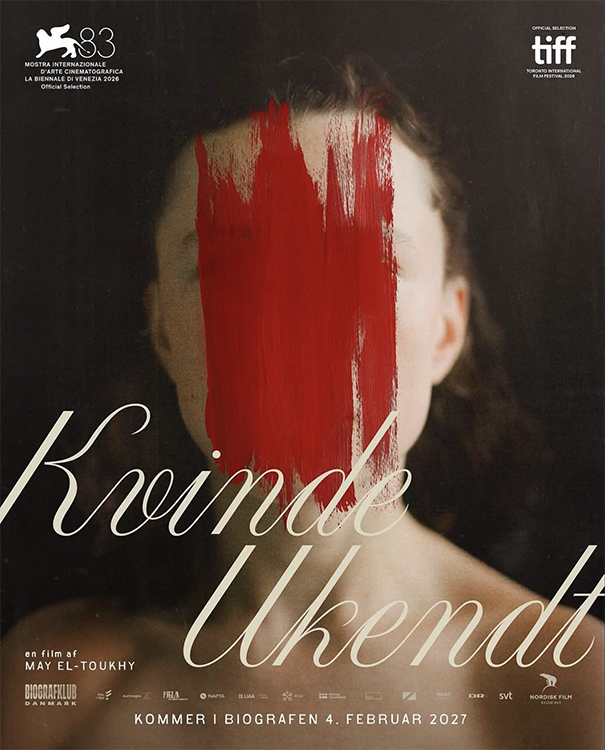
There are moments when a society, unable to confront its own guilt, finds someone else upon whom to place it. In the aftermath of the Nazi occupation of Norway, May el-Toukhy’s Woman Unknown finds that scapegoat, once again, in the woman.
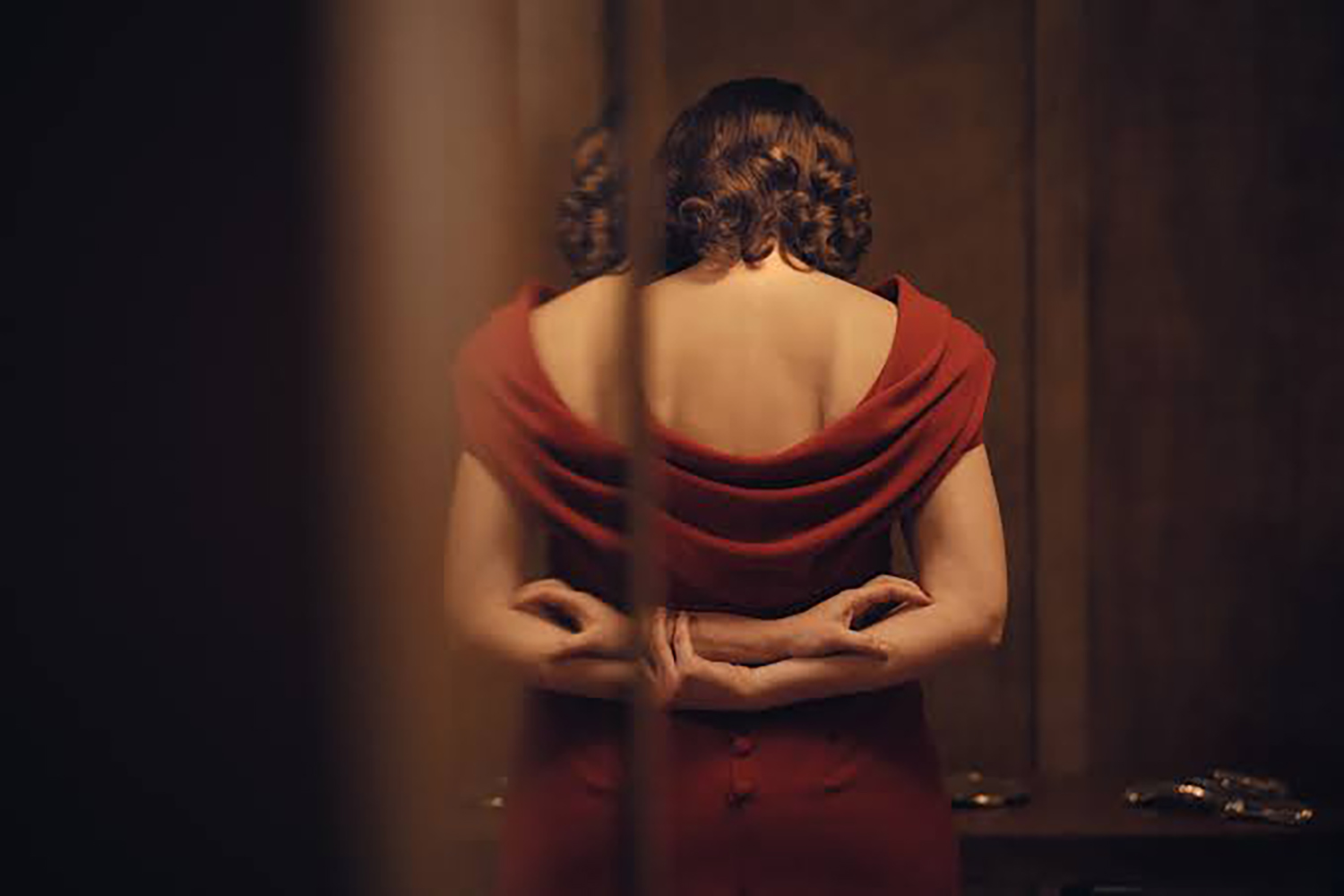
The war is over. Peace has returned, at least officially. Yet beneath the optimism of liberation lies another violence: a morality suddenly exacerbated, almost lawless in its desire to judge, punish and purify. The female body becomes the territory upon which a collective fault can be expiated.
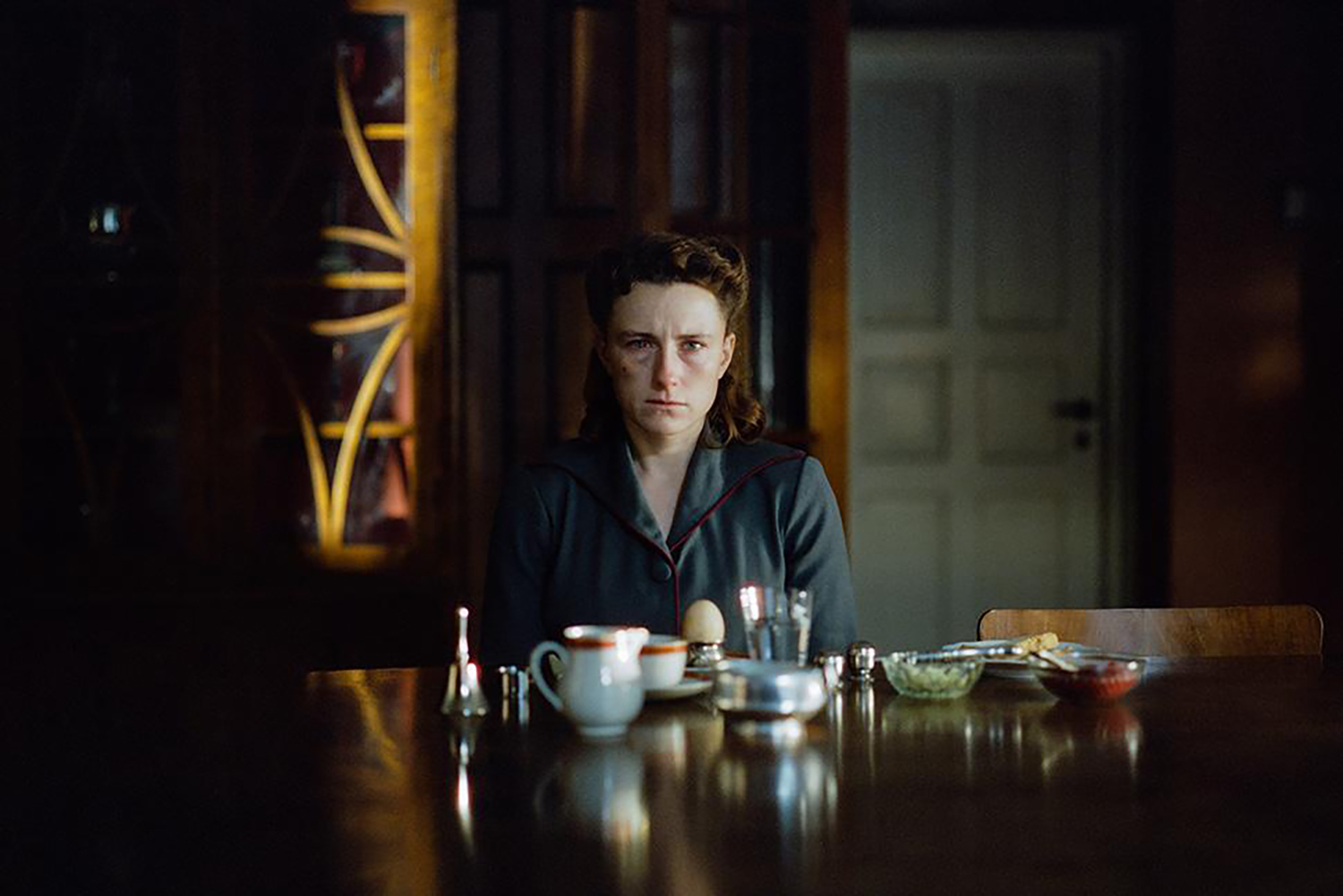
We encounter this world through Marie, played by Mathilde Arcel, a young woman determined to marry Christian, the wealthy older widower for whom she works, and finally escape the brutality of the life she has known. The marriage promises more than social ascension. It offers order, safety, perhaps even the possibility of putting the war behind her.
“You can actually decide not to be sad,” Marie tells the daughter of her future husband.
The sentence could almost contain an entire philosophy of survival. Sadness can be disciplined. Pain can be put away. The past can be overcome through sheer determination. She says it to a child, but one has the strange impression that she is also saying it to herself.
If only history obeyed such decisions.
Marie has constructed her future with extraordinary precision, as though a perfectly arranged life might silence what preceded it. But nothing will unfold according to plan. The suggestion of a violent wartime experience involving German soldiers, the flight from her family and hometown, the shadow of a lost child, and finally the brutal return of a past she has tried to contain begin to fracture this carefully composed existence.
What makes Woman Unknown particularly disturbing is the world waiting outside her door. Marie must survive not only what happened during the war, but the rules of the society that follows it, a society eager to recover its dignity while exercising an intolerable moral authority.
Across occupied Europe, women accused of intimate relationships with enemy soldiers were publicly humiliated, ostracised and punished. Their sexuality became evidence of betrayal. National honour, apparently, could reside in a woman’s body, and society could reclaim that honour by violating it once more.
There lies the bitter contradiction at the centre of May el-Toukhy’s film: liberation does not necessarily mean freedom.
Marie is therefore neither easily innocent nor easily guilty. Her choices can be uncomfortable, sometimes desperate, but judging them would mean reproducing precisely the mechanism the film exposes. She is trying to survive, to acquire a place, a name, a future, to follow the rules of a new society whose rules themselves are morally unstable.
Gradually the question changes. We stop asking what Marie did during the war and begin asking what the war — and the peace that followed — did to Marie. The past refuses to remain past. It enters the rooms, the marriage, the body. It dismantles the immaculate future she has so carefully put in place.
Woman Unknown is a terrible story in the oldest sense of the word: not merely sad, but unforgiving. May el-Toukhy reminds us that when societies emerge from violence, they do not necessarily abandon violence. Sometimes they simply find a new body upon which to exercise it.
And too often, that body is a woman’s.