by Marco Tassini
Ten years into its perfume adventure, the Parisian Maison opens its archives and offers an unusually personal account of what deserves to survive success.
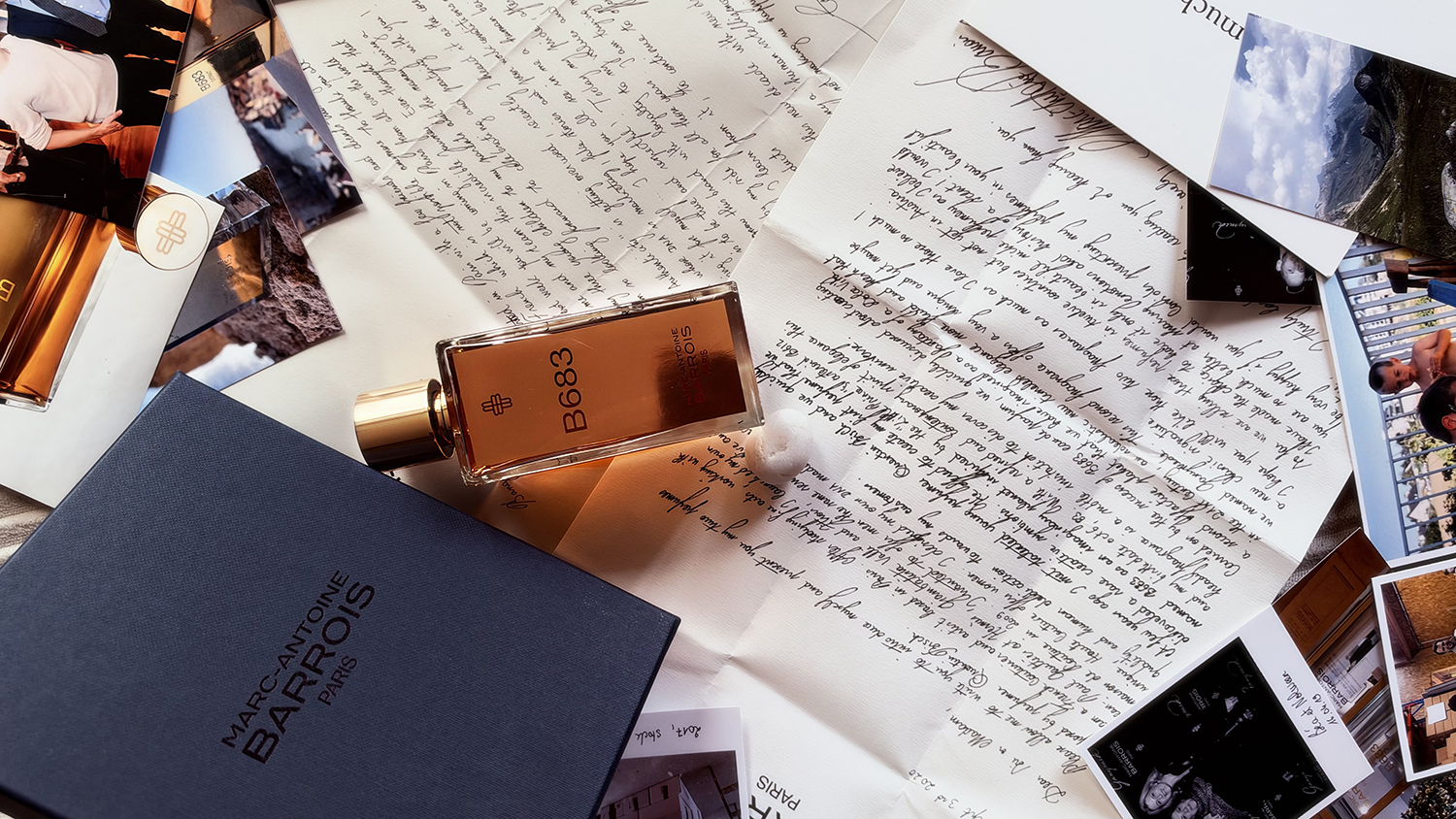
The most revealing object in Marc-Antoine Barrois’s anniversary press dossier is a handwritten letter. Before getting to the business of celebrating ten years in perfumery, its author discusses childcare.
His three young children will be staying with his parents and their nanny while he prepares to celebrate with the friends, clients and collaborators arriving in Paris. He is looking forward to the party. He remembers when he could write to everyone in French. Somewhere along the way, the circle grew large enough to require English.
There is a history of a company in that small linguistic adjustment. A few people believed in something; others joined them. Eventually, the conversation crossed borders.
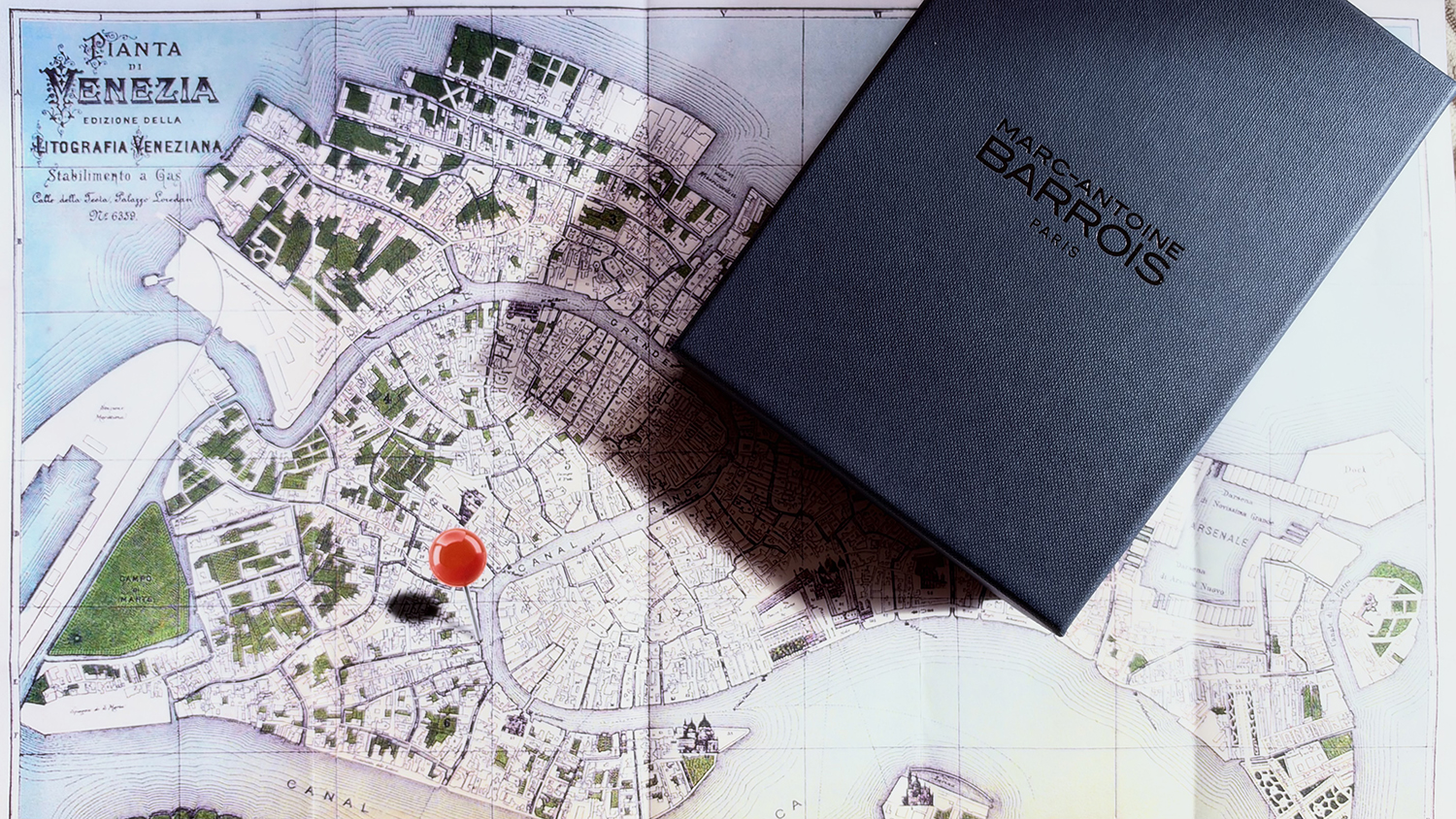
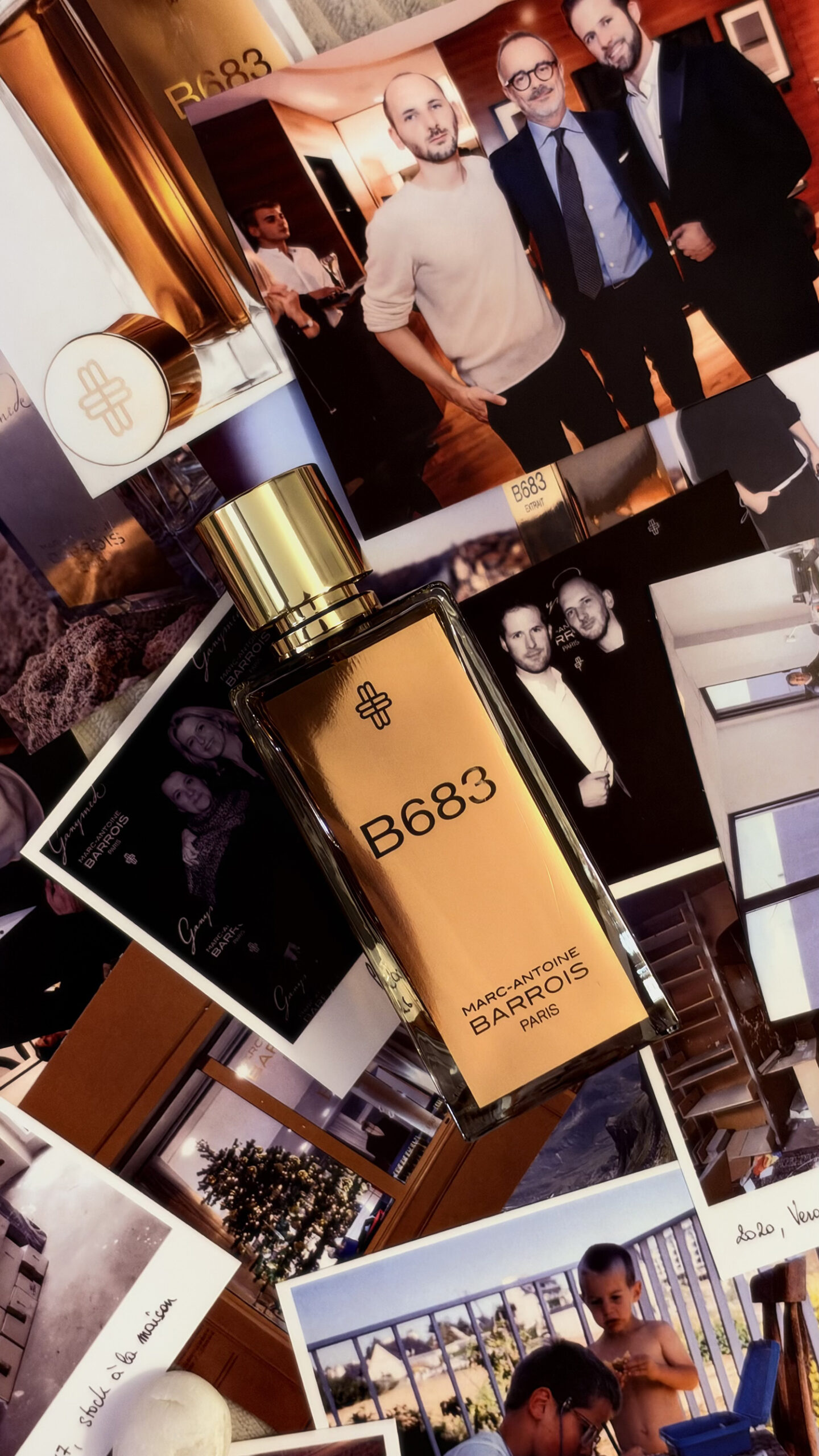
For its tenth anniversary, the Maison has assembled the B683 archive box, gathering previously unpublished photographs, handwritten correspondence, objects and emblematic cards. Presented as a repository of memories, it invites a closer look at the people and decisions behind the finished public image. The accompanying letter gives those materials a voice, occasionally impatient, affectionate and refreshingly willing to admit fault.
“I did and do mistakes,” Barrois told us.
Here is a founder addressing the people who have watched him build a business, acknowledging that the process has involved errors and that it continues to do so. His stated ambition is to learn from them while making exceptional products and remaining loyal to the people who have accompanied him. The admission lends weight to the ambition. It suggests that respect is something practised through decisions, including the correction of bad ones.
Then the letter becomes sharper.
Barrois has grown uncomfortable with the word authenticity. He recounts hearing it invoked as a defining value by a brand whose conduct, in his account, contradicted the claim. He names no names. His response is to stop using the word about himself.
It is an arresting gesture in an anniversary communication. Authenticity is such a convenient term: flattering to the person who uses it, reassuring to the person who hears it, sufficiently elastic to accommodate almost anything. Giving it up obliges the speaker to become more precise. Barrois offers loyalty, sincerity and respect, and relates them to the growth of his business. He asks to be judged through the continuity between his values, his products and his treatment of people.
For a perfume house, this question has particular resonance. A fragrance reaches us through an experience that language can approach but never fully reproduce. Description provides associations; the encounter on skin remains personal. Around that intimate encounter, a house constructs a public world of images, names, objects and stories. The quality of the relationship between the two matters. At its best, the story deepens our attention.
The archive box makes that story available through material traces. Correspondence records an exchange. Photographs preserve a moment that has already escaped. An object carries the evidence of a choice. Gathered together, these fragments offer a way of considering the Maison at a scale smaller, and perhaps more revealing, than the anniversary itself.
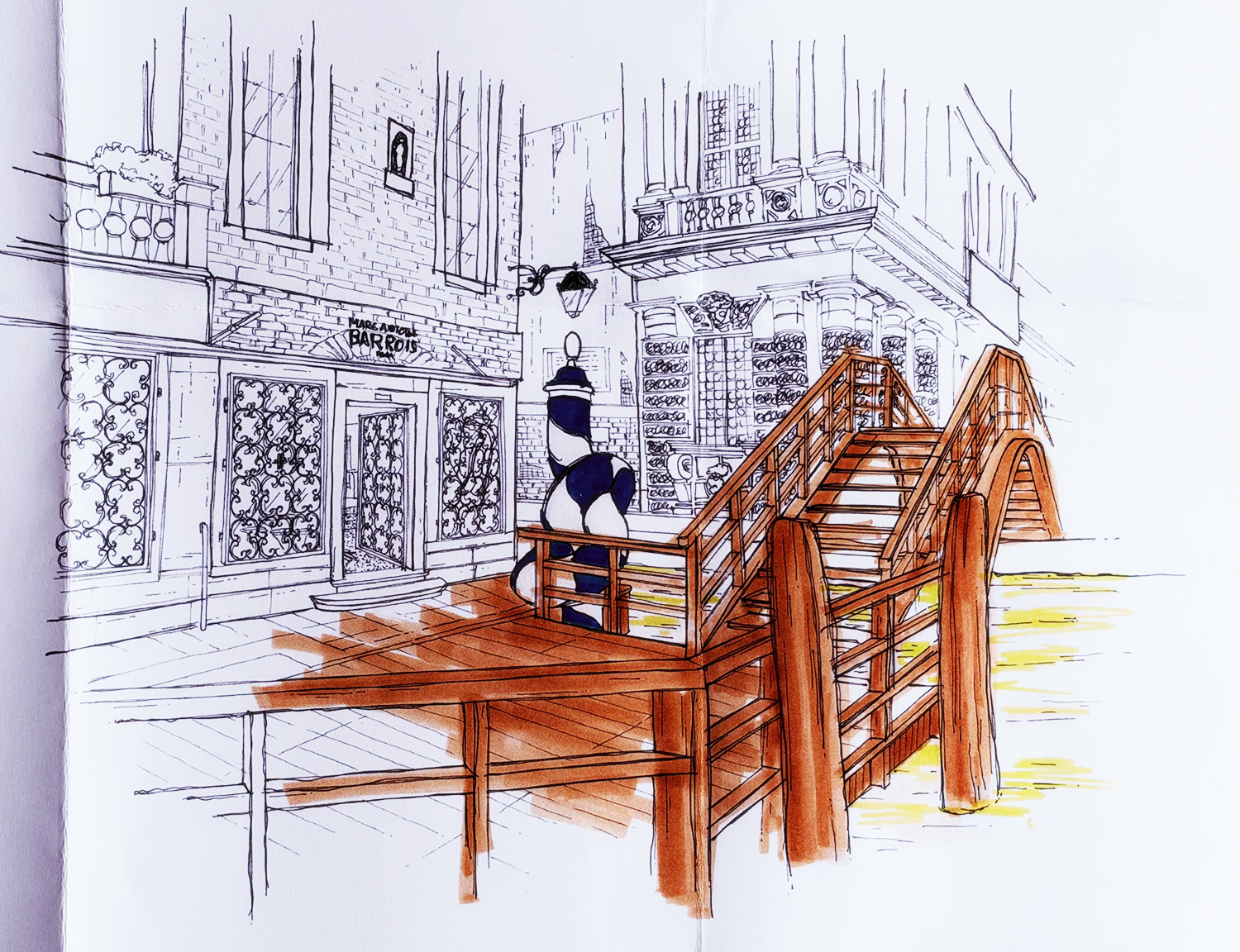
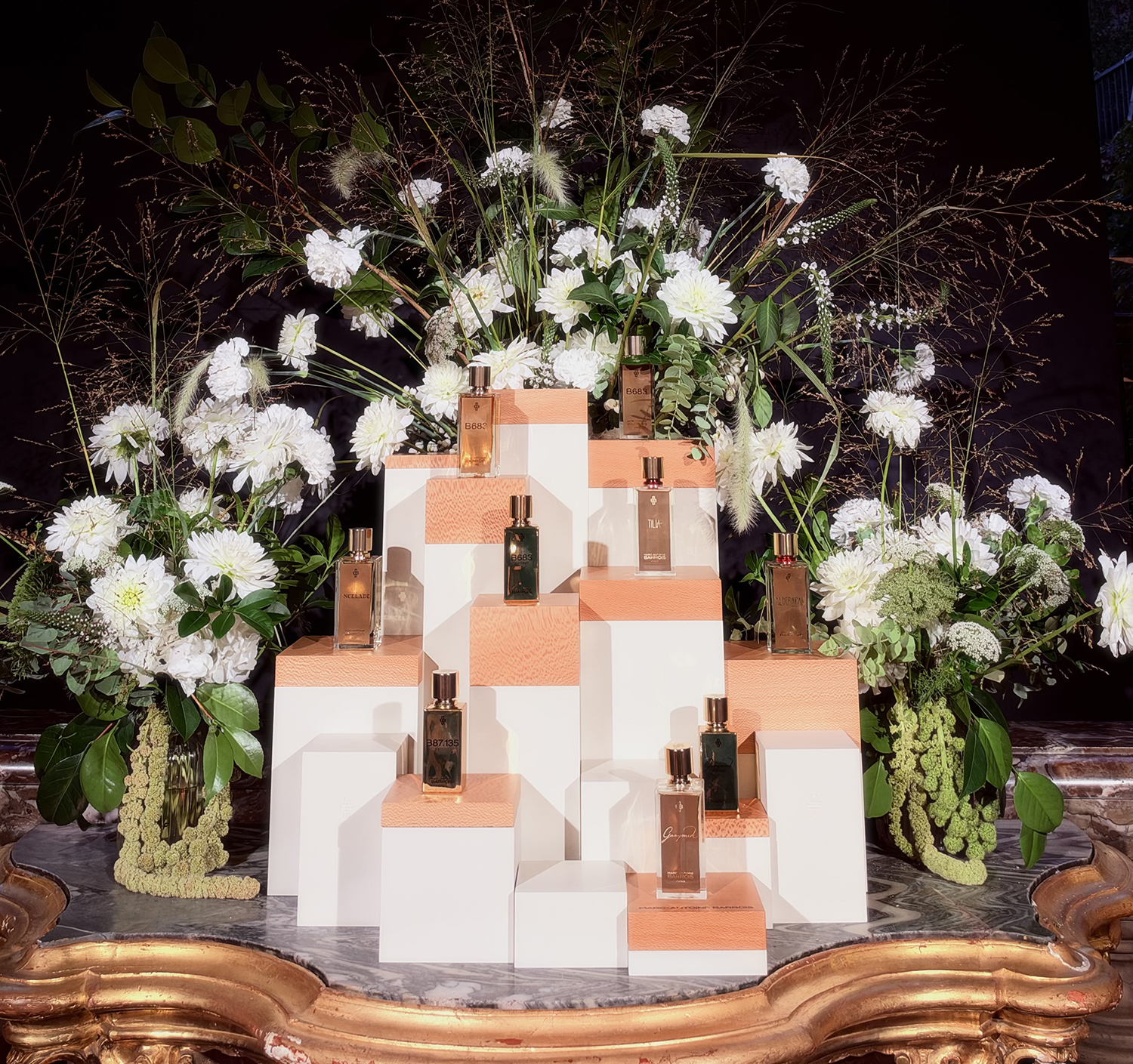
The celebrations have a wider geography. On Friday, September 25, Barrois brought together those who have accompanied the venture at the Hôtel Le Marois in Paris. An international tour, beginning in October and continuing until April 2027, will extend the occasion to the communities abroad that have helped shape it. The stated reason is simple: a single Paris gathering cannot include everyone.
That decision carries the logic of the letter into the anniversary programme. If a business has grown through relationships, the celebration should travel towards those relationships. Paris is the point of departure; the people involved now live far beyond it.
The most provocative passage, however, concerns the coming decade. Barrois wants to make his company a human intelligence only enterprise. He explicitly rejects artificial intelligence, which he believes is failing to make people happier.
The letter does not provide an operational blueprint for that commitment. It offers a conviction, expressed in terms of happiness rather than efficiency. In a document marking commercial longevity, this is a revealing choice of measure. What should growth make possible? What kind of working life should it sustain? How much of the pleasure of making things depends on the people making them?
Barrois places the raising of happy children before the growth of his brand when he describes his sources of pride. The order feels deliberate. It gives the business a place within a life and establishes a proportion that success can easily disturb.
After ten years, the Maison has an archive worth opening and an international community worth visiting. Its founder’s letter suggests that he also understands the responsibility attached to both. The next decade will bring the practical test of those convictions.
For now, there is something persuasive about an anniversary that leaves room for admitted mistakes and arrangements with grandparents. These details give the celebration its texture. They let us see the person who, once the guests have gone home, will have to make good on what he has written.
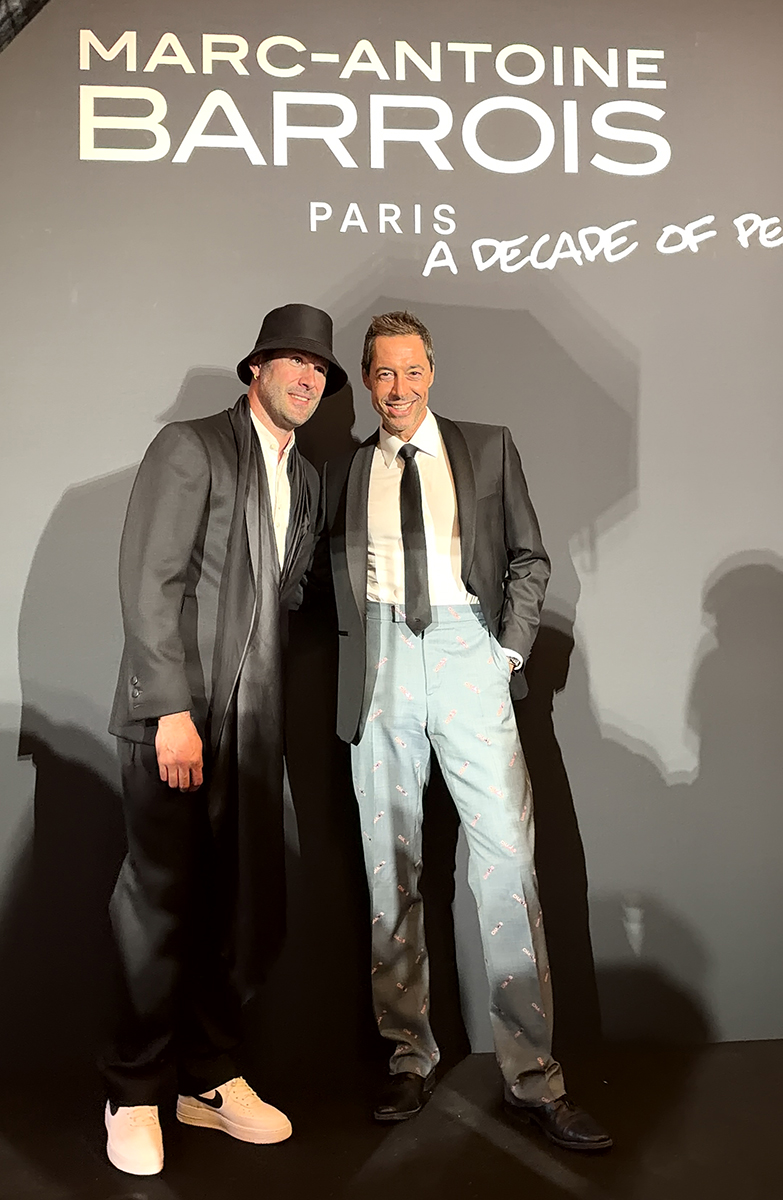
Marc-Antoine Barrois and the EDGE magazine co-founder Marco Tassini