by Alexandra I. Mas
There is something of a universal theory in Look Back: learning to look at the world through passion, courage, obstinacy and creativity. But where is the dream? Where is the illustration of the dream, and where is reality? Every choice we make belongs to one version of our existence. In Look Back, Hirokazu Kore-eda permeates these layers, moving between the lived, the imagined and the drawn until their boundaries quietly dissolve.
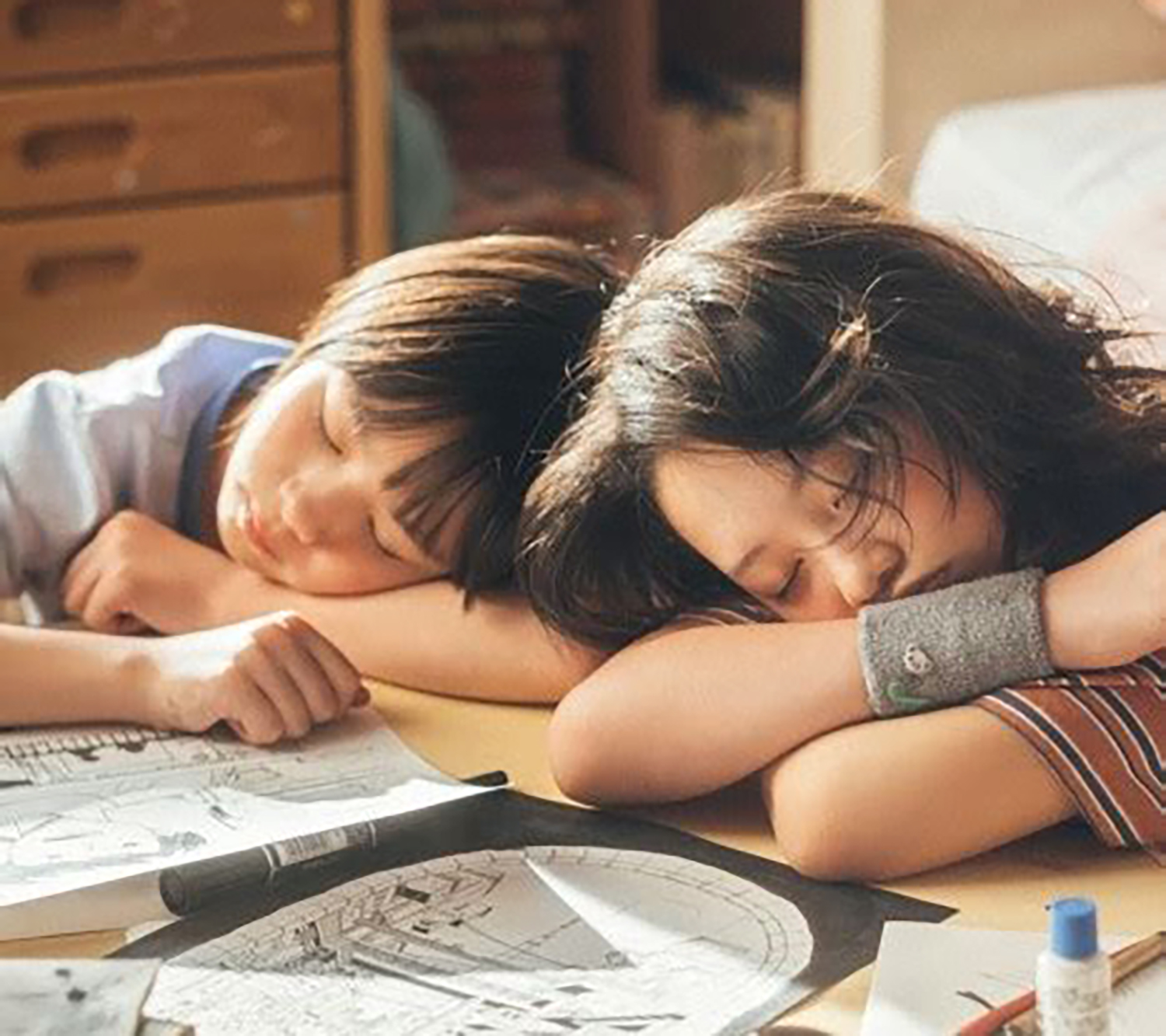
It begins with the intimate quest of two girls from a small town. Fujino is gifted, determined and confident in her talent; the reclusive Kyomoto rarely leaves her room. Manga brings them together. One draws characters, the other backgrounds, and what begins almost as rivalry becomes a shared language, then a vocation. For thirteen years, we watch them draw, grow, separate and find one another again through creation.
And then, almost without noticing it, we dive into an animated film. Drawing becomes movement; imagination alters time. Another possibility enters the story, and for a moment we no longer quite know whether we are watching memory, desire, illustration or another version of reality. This ambiguity is perhaps the film’s most beautiful gesture. Creation becomes a passage between what happened and what might have happened. The page can contain a reality that life itself refused us.
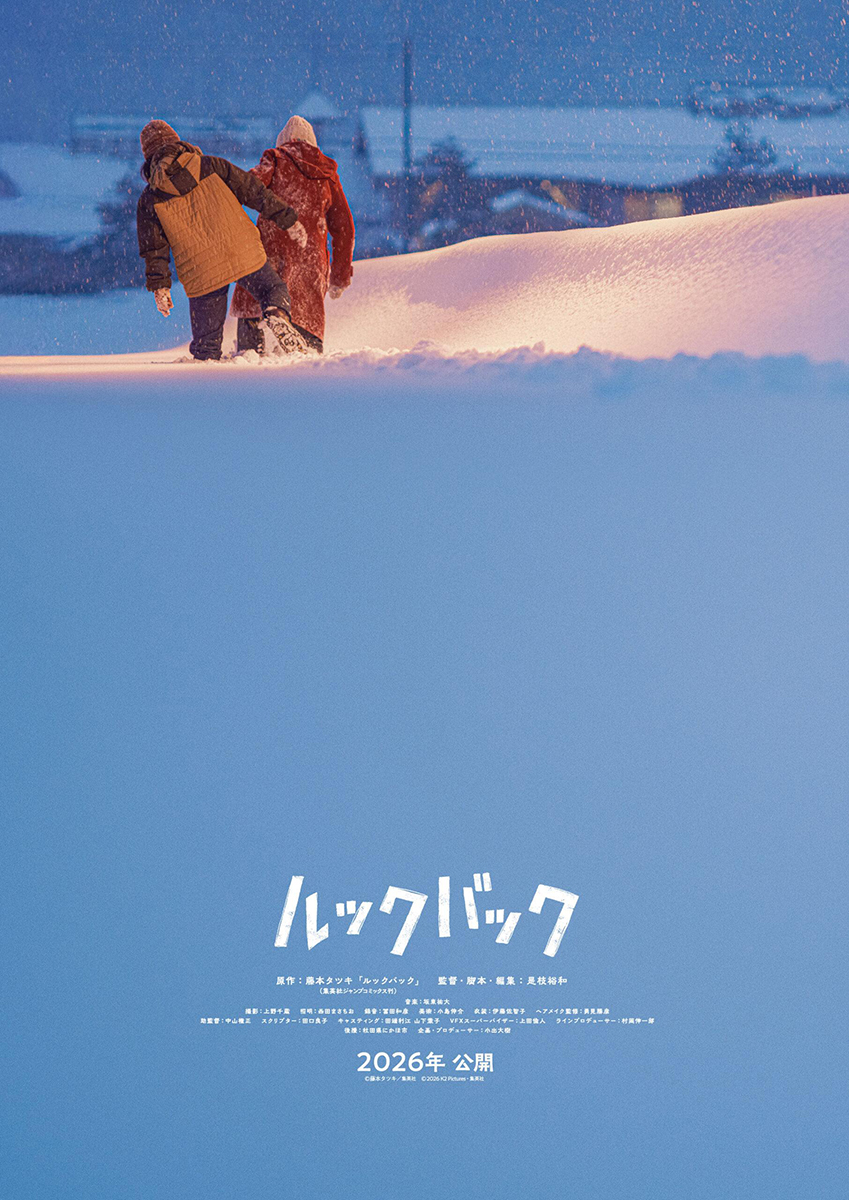
Friendship belongs to the absolute. It survives distance and time because it has entered the work itself. The two girls have changed one another’s way of seeing, and therefore what they created together cannot simply disappear.
Kore-eda gives time an unusual weight. We hear pencils travelling across paper; we watch seasons pass and gestures mature. Some may find certain passages long, but this duration deepens our perception of temporality. Thirteen years cannot simply be narrated: here, they must occasionally be felt.
Look Back is a fresh and empowering film, but its optimism is never simplistic. Beneath the story of two young women pursuing their passion lies a more unsettling thought: perhaps creation is one of the ways we negotiate with reality, with its choices, its accidents, and all the lives that might have been ours.