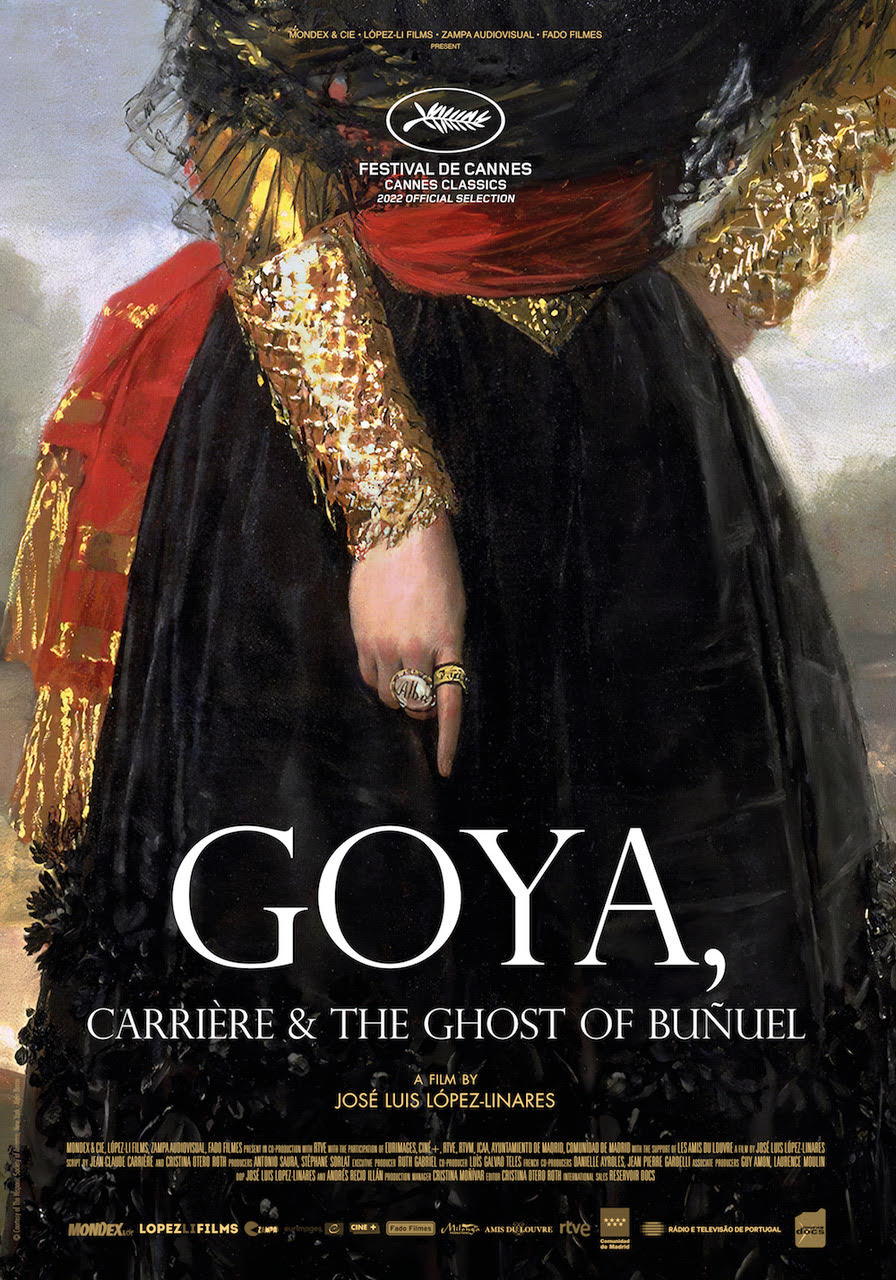
Goya, a Fountain for Us All
This surprising film began as a documentary, an innermost journey from the very start. Director José Luis Lopez-Linares and Jean-Claude Carrière embarked on a voyage following Goya, from the Prado Museum to his native village, Fuendetodos, near Zaragoza.
The two had already worked together on a documentary about Carrière’s famous collaborator, Luis Buñuel, remember that pure cinema, those poetical exercises. No wonder the ghost of Buñuel came wandering by during this filming as well. One tribute became a double homage, and with the passing of the French screenwriter in February 2021, it has become a triple one: “Goya, Carrière and the Ghost of Buñuel.”
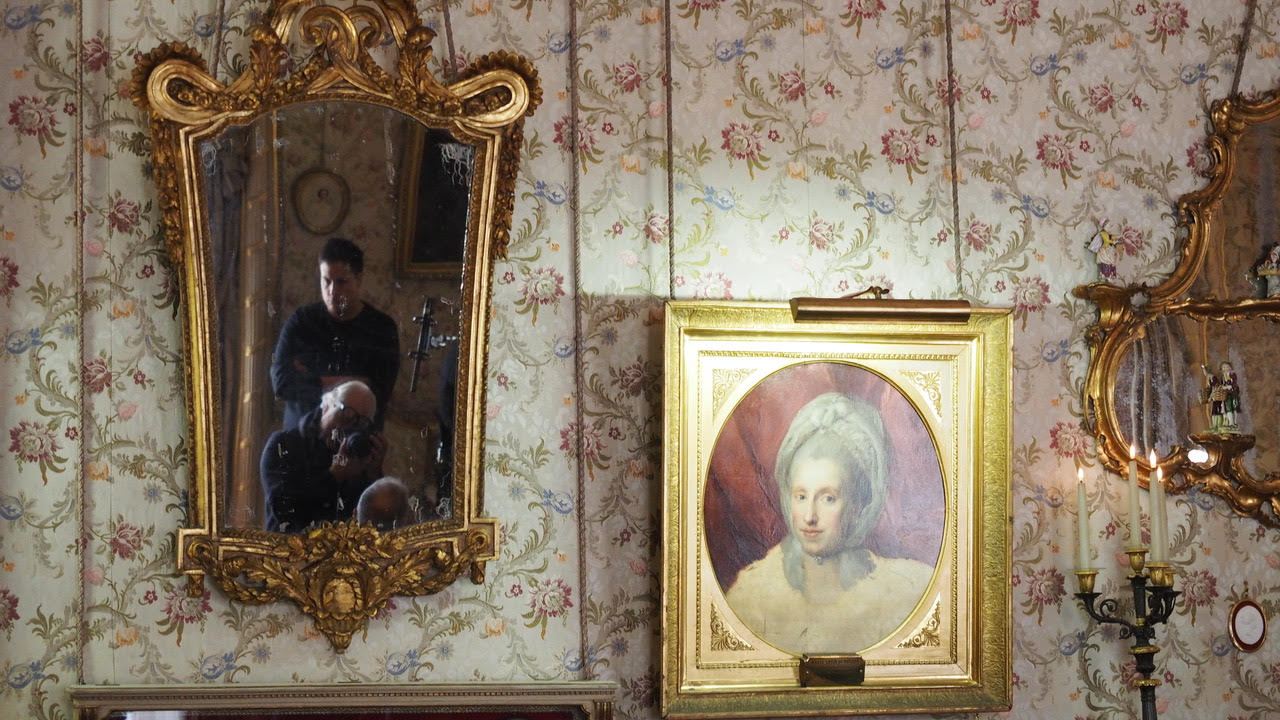
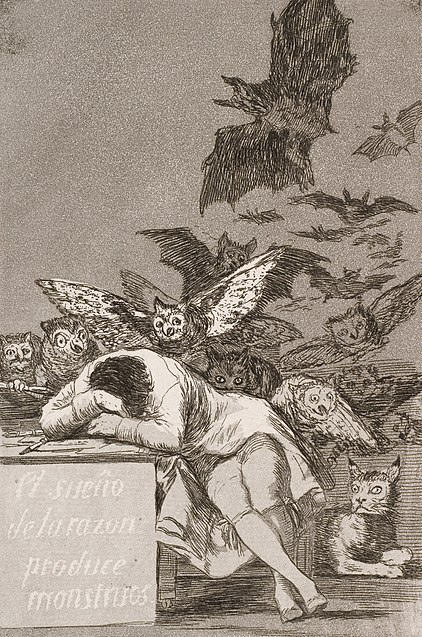
The director succeeds in capturing the intimacy between these three kindred geniuses. Forget the epochs, Goya was a precursor of modernism, a pioneer in using art as a manifesto, moving with panache between official propaganda and social critique. Between his love for a duchess and his compassion for the oppressed, he walked from the glittering halls of power to the secrecy of his etching studio, creating some of history’s most political artworks: Los Caprichos, with its famous plate “The Sleep of Reason Produces Monsters.”
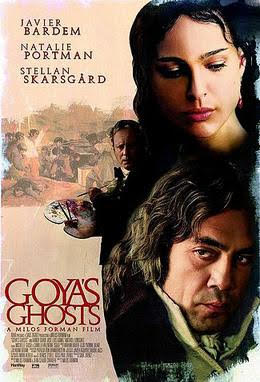
Jean-Claude Carrière, together with Miloš Forman, signed the biographical-fictional drama Goya’s Ghosts (2006). José Luis Lopez-Linares, following Carrière through the lens, witnessed what a fountain Goya was for the screenwriter, an endless source of reflection and renewal. Each place, each building, each landscape and artwork unfolds like a shared memory, as though the three of them experienced it together. And remember Buñuel — the other great Spanish visionary — kept calling in, unseen yet present.
They all lived between Spain and France, united by the same ardor for transmitting culture and meaning. There is something almost quantum in this exchange, the beholder becomes the beheld.
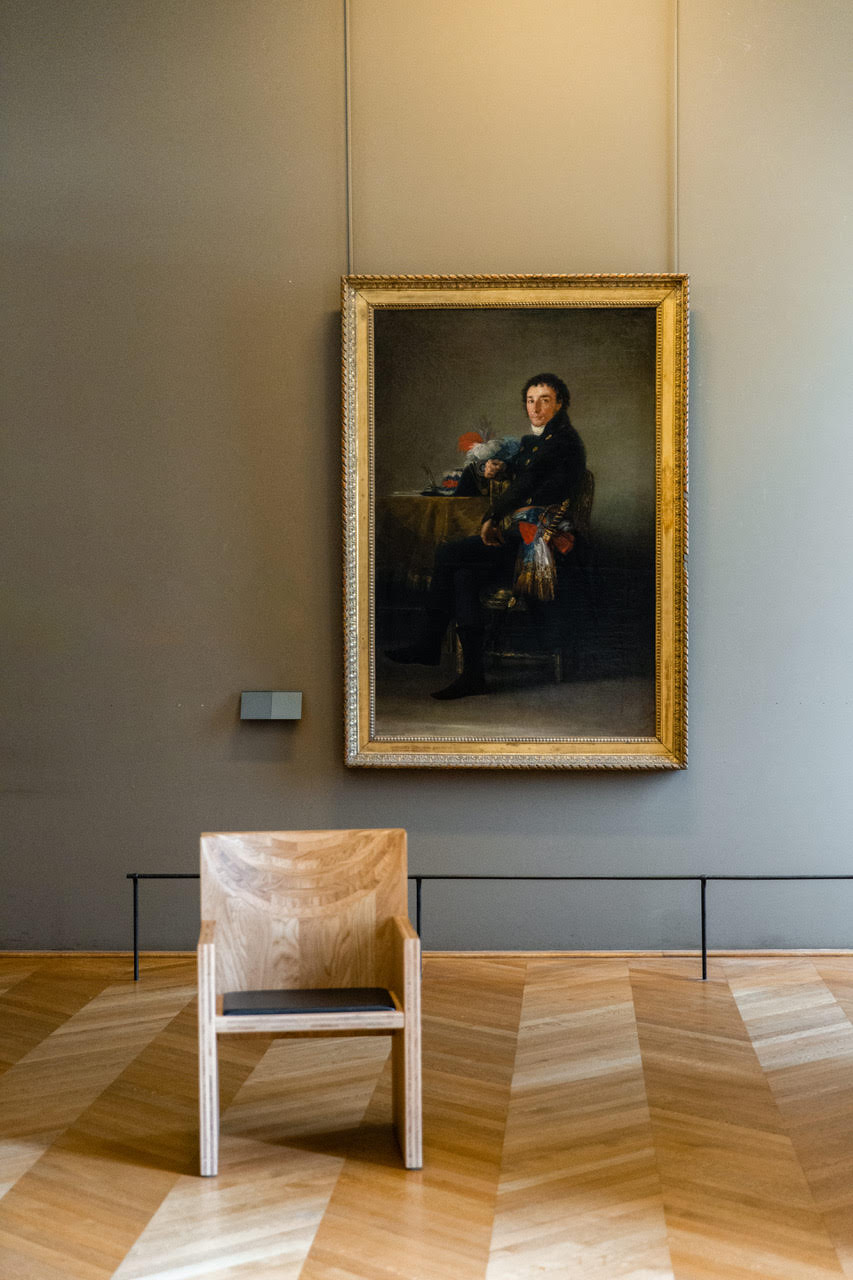
Let us recall some of Jean-Claude Carrière’s celebrated works: Belle de Jour, That Obscure Object of Desire, Valmont, At Eternity’s Gate. Like Buñuel and Goya, he cultivated a sense of mystery. In this intimate journey through Goya’s universe, Carrière reveals symbols where the visible is but the floating foam of light. Goya’s sudden condition, plunged into absolute silence, opened his vision to deeper meanings, and Carrière reads the paintings for us like open books. Yet this film is far from being a hermetic art documentary: surrealism, modernity, war, migration, this mad world, and through it all, for these three men, an absolute source of beauty.
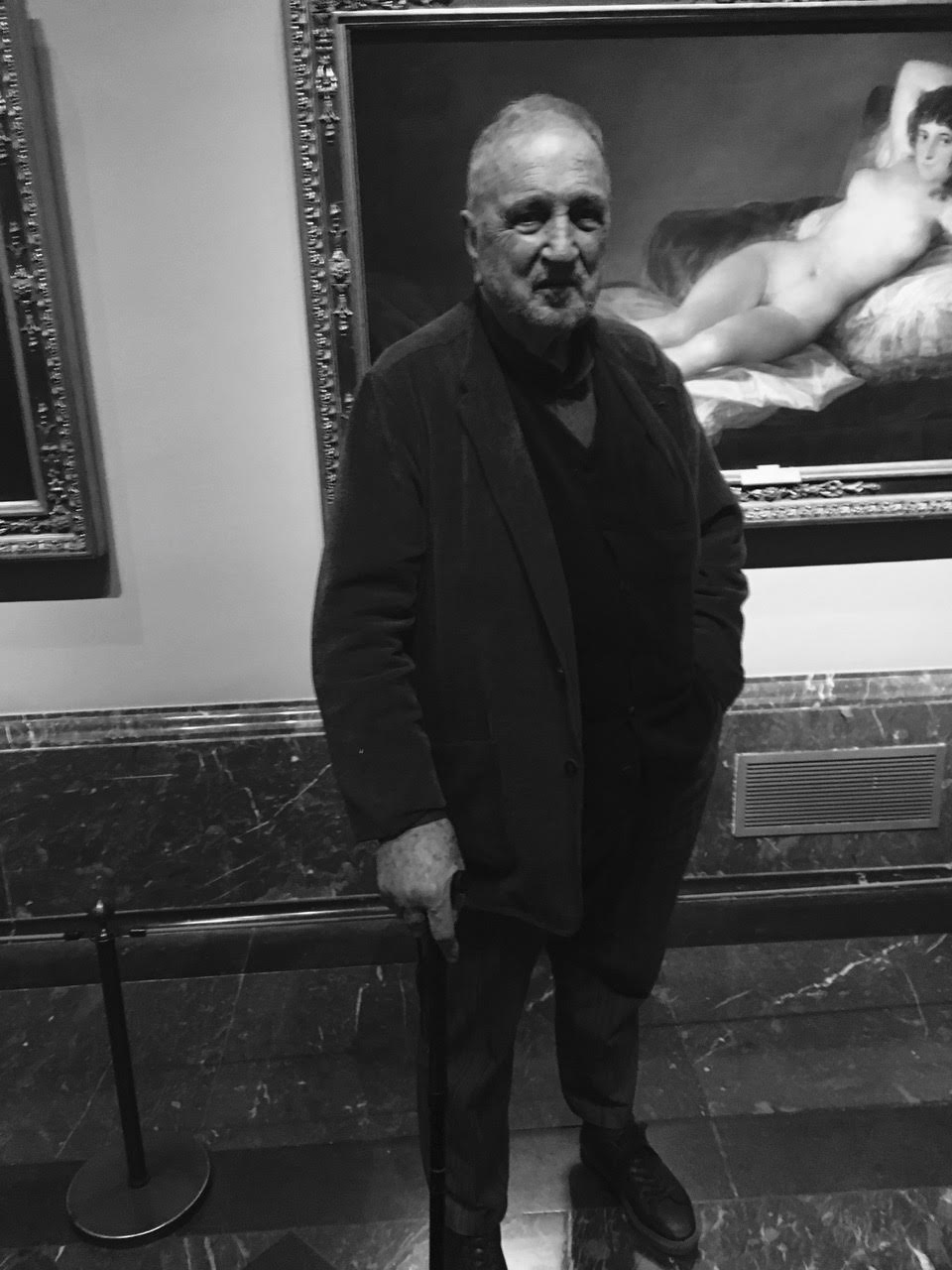
This film became a farewell and what better way for Jean-Claude Carrière to take his leave than before the camera itself. Surrounded by his beloved companions, Goya and Buñuel, he says goodnight to La Maja Desnuda, the first profane, life-sized female nude, as man is but human, and mortality his most divine gift.
“Death breaks the cage, but not the bird.”
his wife is telling us, quoting Persian poet ‘Abdu’l-Bahá.
And so he remains among us, through his works and cinematographic visions, finally able to look, and to see it all.
by Alexandra Mas
the film Goya, Carrière and the Ghost of Buñuel – L’ombre de Goya will be in theatres from September 21st 2022