
When Reality Became the Spectacle
by Alexandra I. Mas
Los Angeles in the early 2000s felt like a turning point in our perception of media. I was living there at the time, watching reality television explode into the mainstream while traditional journalism and established forms of storytelling suddenly found themselves competing with something faster, louder and more immediate.
The audience was no longer content simply to be informed. It wanted reality, or, perhaps more accurately, the sensation of reality.
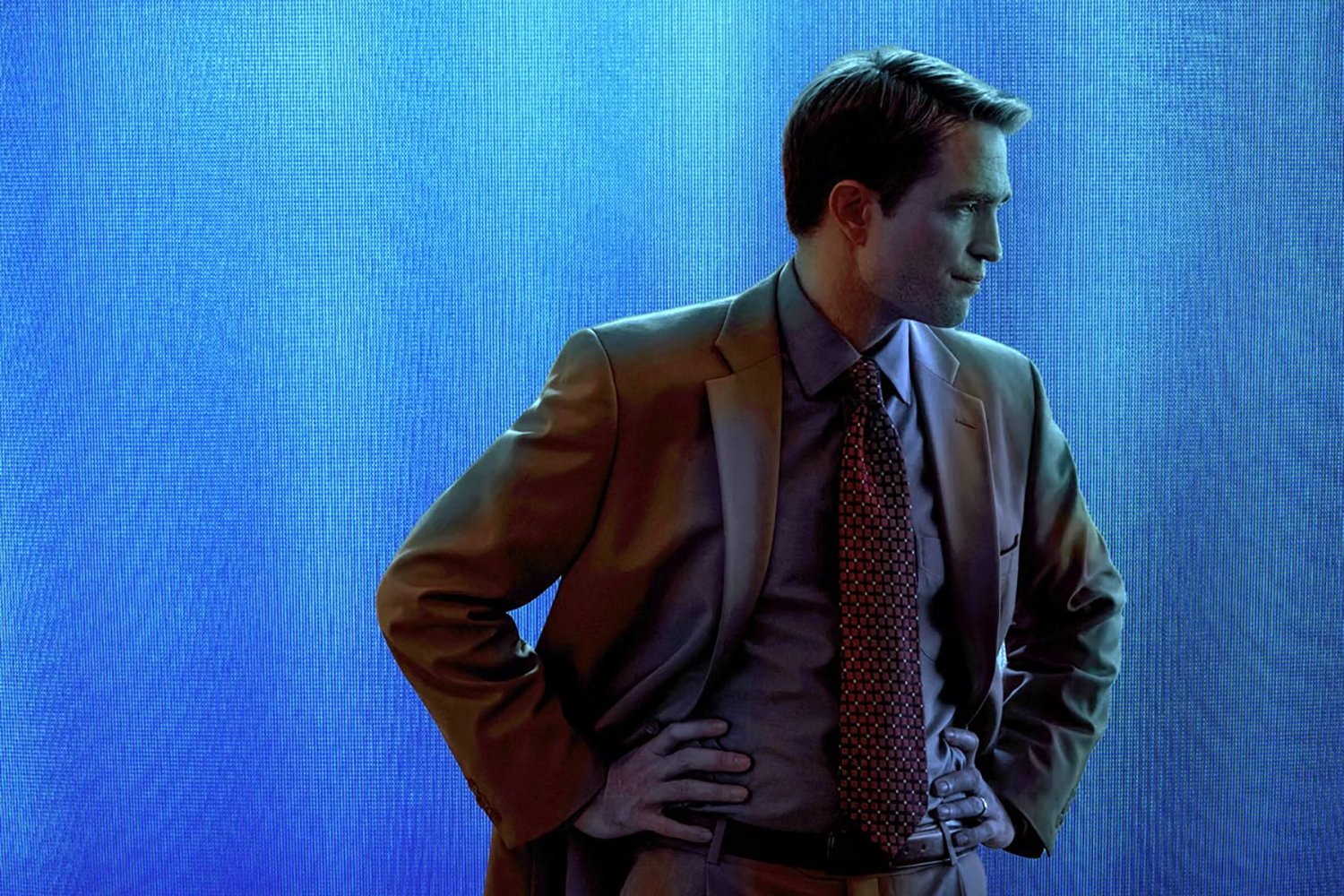
Lance Oppenheim’s Primetime returns to precisely that moment through the phenomenon of To Catch a Predator, the Dateline investigation hosted by Chris Hansen (Robert Pattison) that transformed confrontation into extraordinarily compelling television.
What made the programme so unsettling and so successful, was the strange collapse between fiction and reality at its centre. The impulses being exposed were real and deeply disturbing, yet the environment was constructed: a house, performers, hidden cameras, producers and, waiting at the centre of the apparatus, a television host. Reality had become something that could be staged without entirely ceasing to be real.
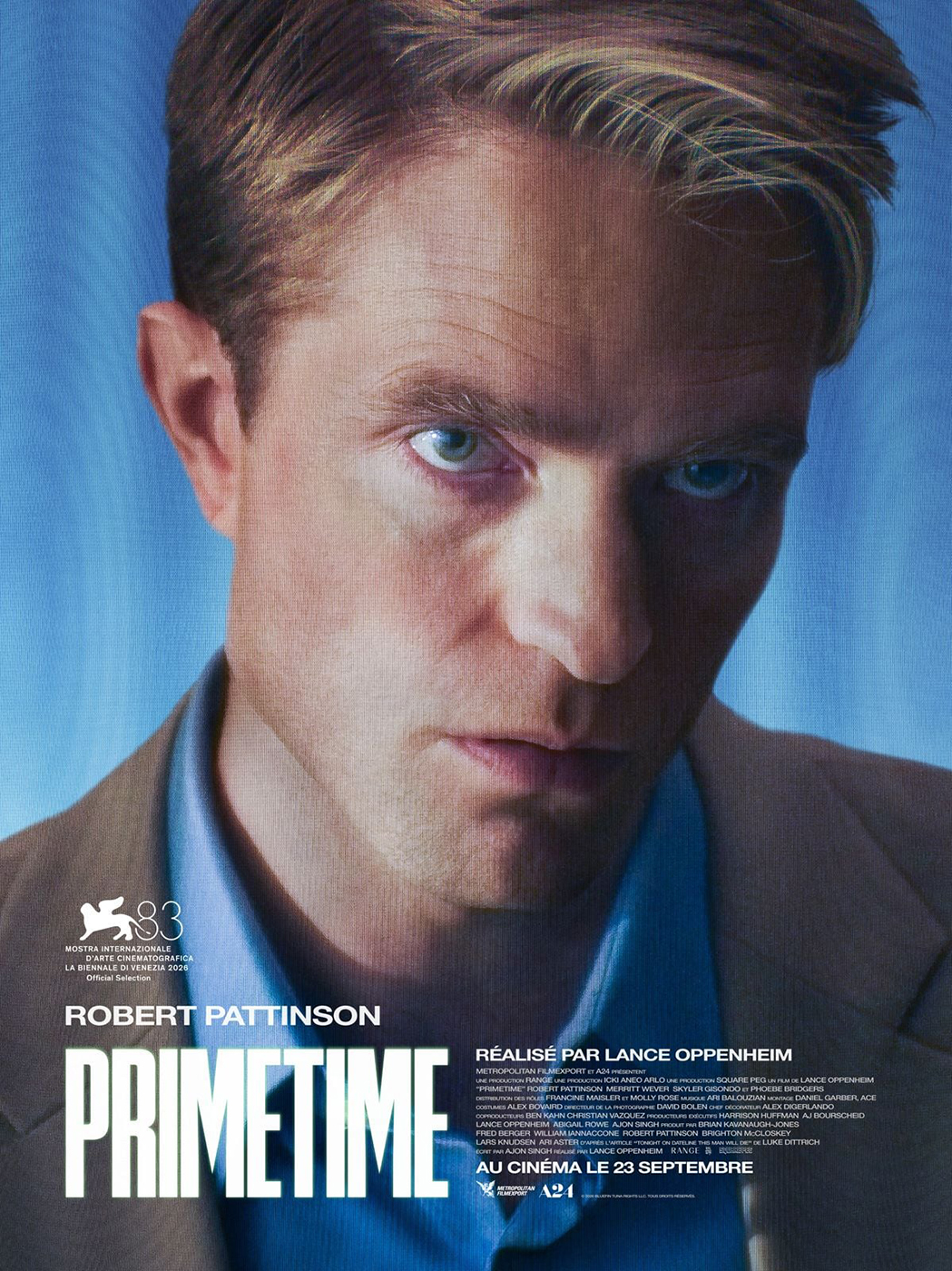
As Oppenheim explains:
“With Primetime, I set out to make an institutional portrait of To Catch a Predator at the height of its success. How did the show change as it grew more popular? What did working on it do to the people inside it, the performers, the producers? I wanted to trace the disparate ambitions of people who existed inside this apparatus, a journalistic crusader, a mercenary TV producer and a wide-eyed Hollywood dreamer, converging into a moment of crisis.”
He also returns to a media landscape that now seems strangely distant: a period before audiences fragmented across platforms, when securing a primetime television slot could still determine whether a programme, or a career, lived or died.
Robert Pattinson gives that ambition a face. His character is punchy, driven and increasingly consumed by the fight to push the programme. What begins as a project still struggling for the confidence of its producers gradually discovers the intoxicating power of an audience.
And therein lies the more uncomfortable question behind Primetime.
What happens to journalism when success can be measured not only by what it reveals, but by how impossible it becomes to look away?