by Alexandra I. Mas
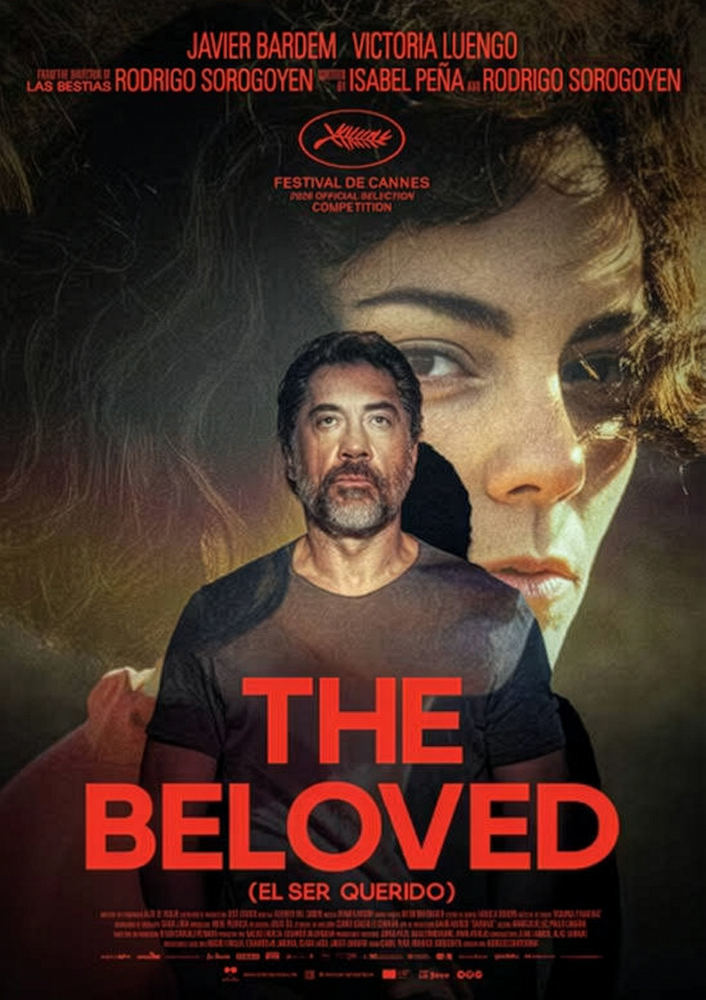
At the centre of El Ser Querido lies a wound that never truly closed, a slow corrosion of silence, abandonment and memory. With this film, Rodrigo Sorogoyen delivers perhaps his most intimate work: a film where emotional violence matters more than the physical one, and where every glance seems heavier than confession.
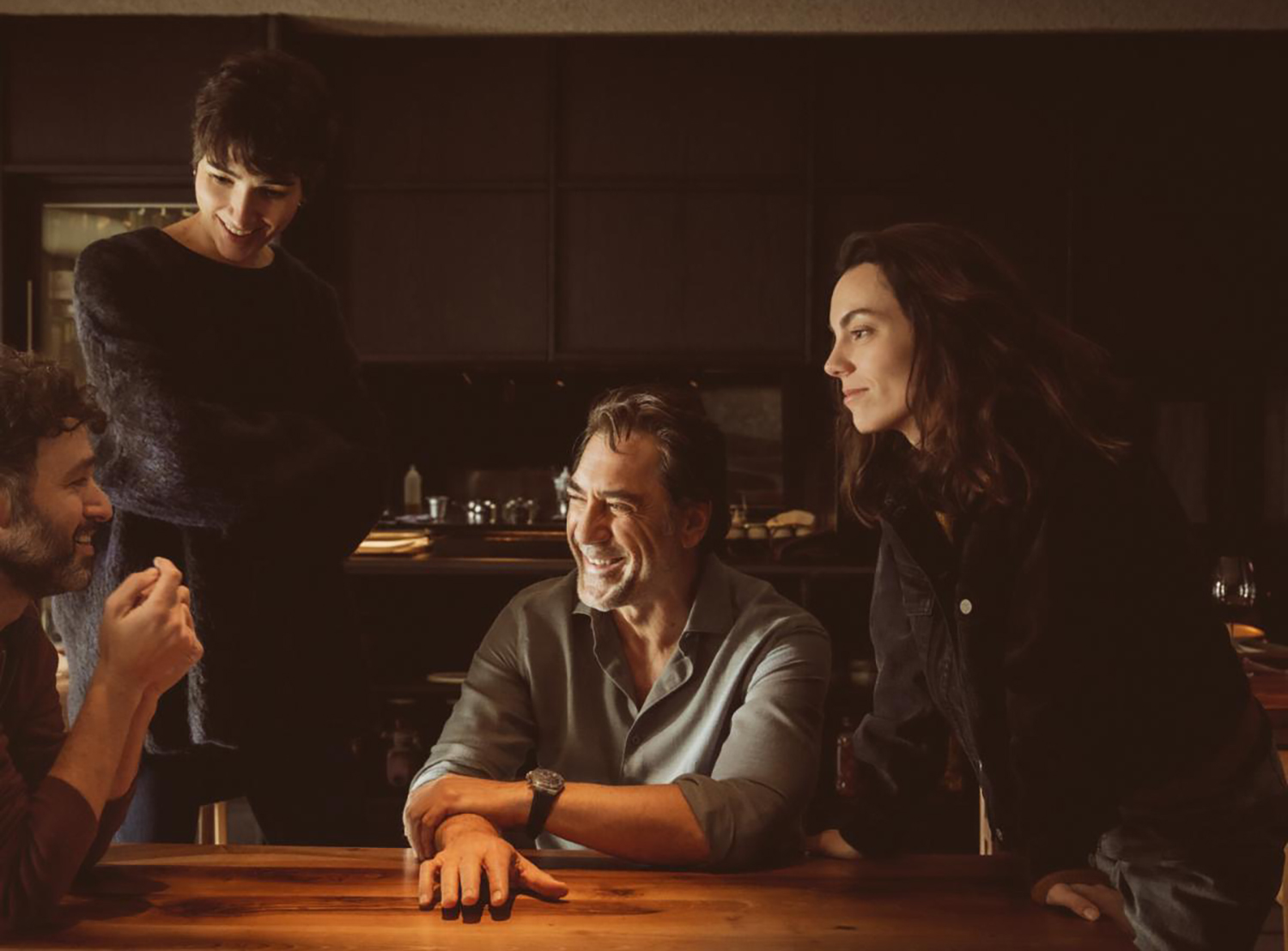
Presented through the fractured relationship between Esteban Martínez and his daughter Emilia, El Ser Querido unfolds as an autopsy. Esteban, embodied by Javier Bardem with terrifying restraint, is a legendary awarded filmmaker haunted by his own mythology. Once consumed by excess, alcoholism and brutality, he now carries the ghost of the man he used to be. Time has not absolved him, it has merely added distance.
Under the pretext of reviving Emilia’s stalled acting career, he offers her a role in his new film. Yet from the beginning, the proposition feels poisoned by ambiguity. Is he searching for redemption as a father, or artistic truth as a director? Is Emilia his daughter, his actress, or the final muse through whom he hopes to repair his own narrative?
Sorogoyen never resolves these questions completely. Instead, he lets them vibrate beneath every scene.
The first encounter between father and daughter becomes the film’s silent manifesto. Shot in a real restaurant, the sequence was reportedly built through improvisation, granting the actors full emotional liberty. The camera approaches faces with unsettling proximity: pores, eyes, trembling skin. There is nowhere to hide. The spectator is not simply observing dialogue, but entering the unstable territory beneath words, that obscure realm where resentment survives for decades because language failed at the decisive moment.
What follows is constructed like a perpetual oscillation between fiction and reality. A film within a film slowly contaminates the lives of those making it. Wide cinematic compositions suddenly collapse into suffocating close-ups. Sorogoyen orchestrates this movement like a dance between grandeur and intimacy, between artistic ambition and emotional wreckage.
Emilia, portrayed with remarkable fragility by Victoria Luengo, is neither heroic nor victimised. She is a woman deformed by absence. A mediocre actress perhaps, uncertain, frustrated, emotionally unfinished, but precisely because of this, profoundly human. Her desire to work with a celebrated director collides violently with the unresolved trauma of needing a father who disappeared long ago.
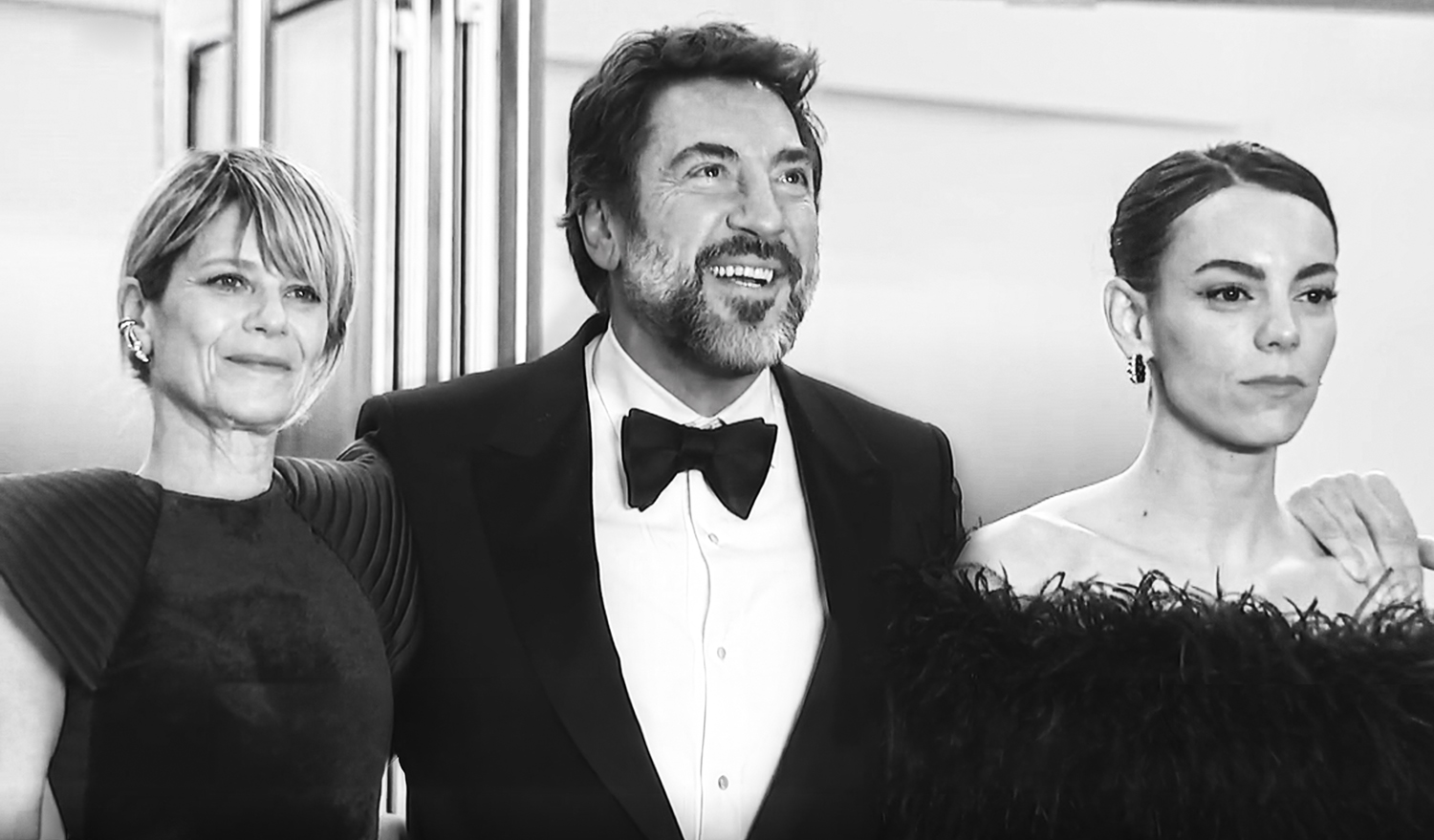
The emotional tension infects the entire production crew. Cinema itself becomes contaminated. Every scene shot inside Esteban’s film appears haunted by what remains unresolved outside of it. Even the editing director, played by Marina Foïs, begins to feel less like a collaborator than a form of conscience, the lucid witness observing a man attempting to negotiate with his own past.
The choice of the occupied Sahara as narrative background is far from decorative. Sorogoyen uses this obscured historical territory as a mirror of Esteban himself: a geography marked by abandonment, political violence and unresolved memory. The personal and the historical echo one another constantly. Forgotten lands and forgotten children obey similar mechanics.
Bardem’s performance is extraordinary precisely because it resists seduction. He does not seek forgiveness from the audience. What emerges instead is the terrifying spectacle of a man confronting the ruins of his former self. Moments of the old violence still erupt unexpectedly, sudden authoritarian gestures, alcoholic instability, emotional manipulation. Legends age badly because memory enlarges them. Yet the film insists on another truth: time changes the rules. What was once tolerated becomes unbearable.
There is no sentimental resolution here. El Ser Querido is too lucid for reconciliation as spectacle. What Sorogoyen offers instead is something rarer: the painful recognition that love sometimes survives long after trust has vanished.
The title itself — The Beloved — becomes almost cruel in its simplicity. Because throughout the film, one question persists beneath everything else:
Who was truly loved here? The daughter? The actress? Or merely the image that remained useful to the director who created her?