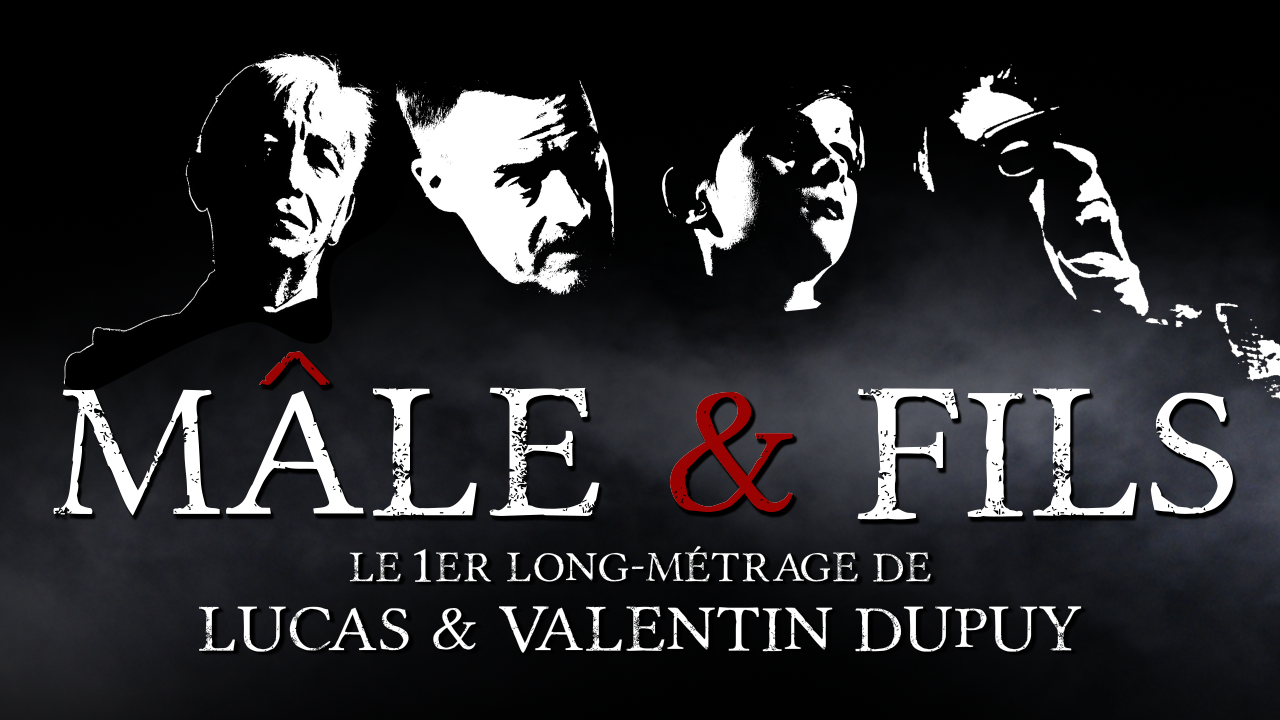
Written by Alexandra Touchard
It was at the 2025 Cannes Film Festival that I had the chance to meet Valentin, then Lucas Dupuy, the two directors behind FatherBlood (French title Mâle&Fils). The inseparable brothers were presenting their first feature, the fruit of four years of labor, in the “Quinzaine des Cinéastes”— a non-official but highly prestigious sidebar of the festival. Playing in the film: Valentin Dupuy, Mathéo Rollin, Anthony Pantaléo, Jean-Pierre Bolard, Luc Clémentin, Joseph Treacy, Vincent Frachey and Christopher Cheppih.
It was during an evening, under the incandescent beam of the May moon, beyond the soft and repetitive lapping of waves on the beach, that Valentin timidly began to talk to me about his film — and inseparably, his brother Lucas’s film as well. The entire structure of the narrative, in fact, is built on the idea of parallelism: a father and son, but also two opposites forming the twin poles of bipolarity. A subject rooted in psychology and mental illness, written against a backdrop of horror, the macabre, and, strangely enough, comedy. FatherBlood is a cinematic object unlike any other, in the true sense of the term — drawing its singular essence from the greats, starting with Kubrick.
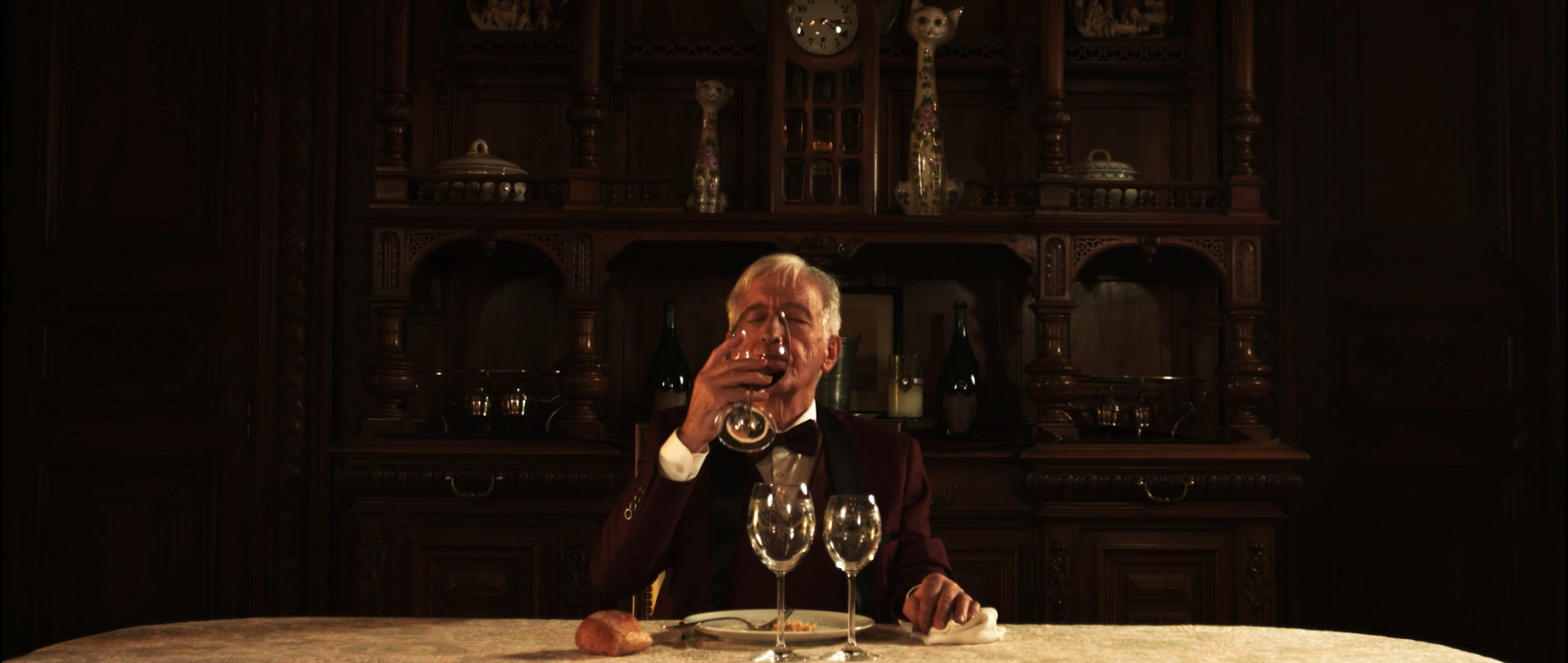
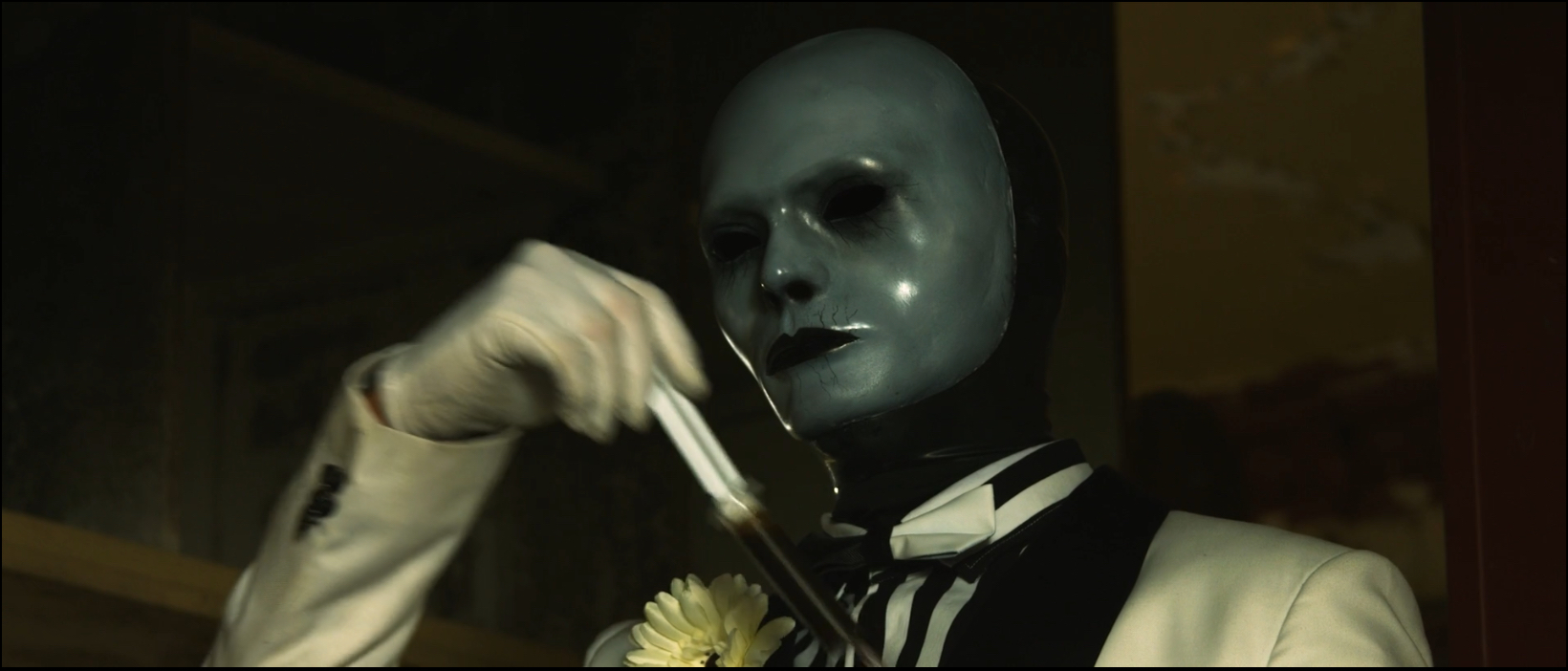
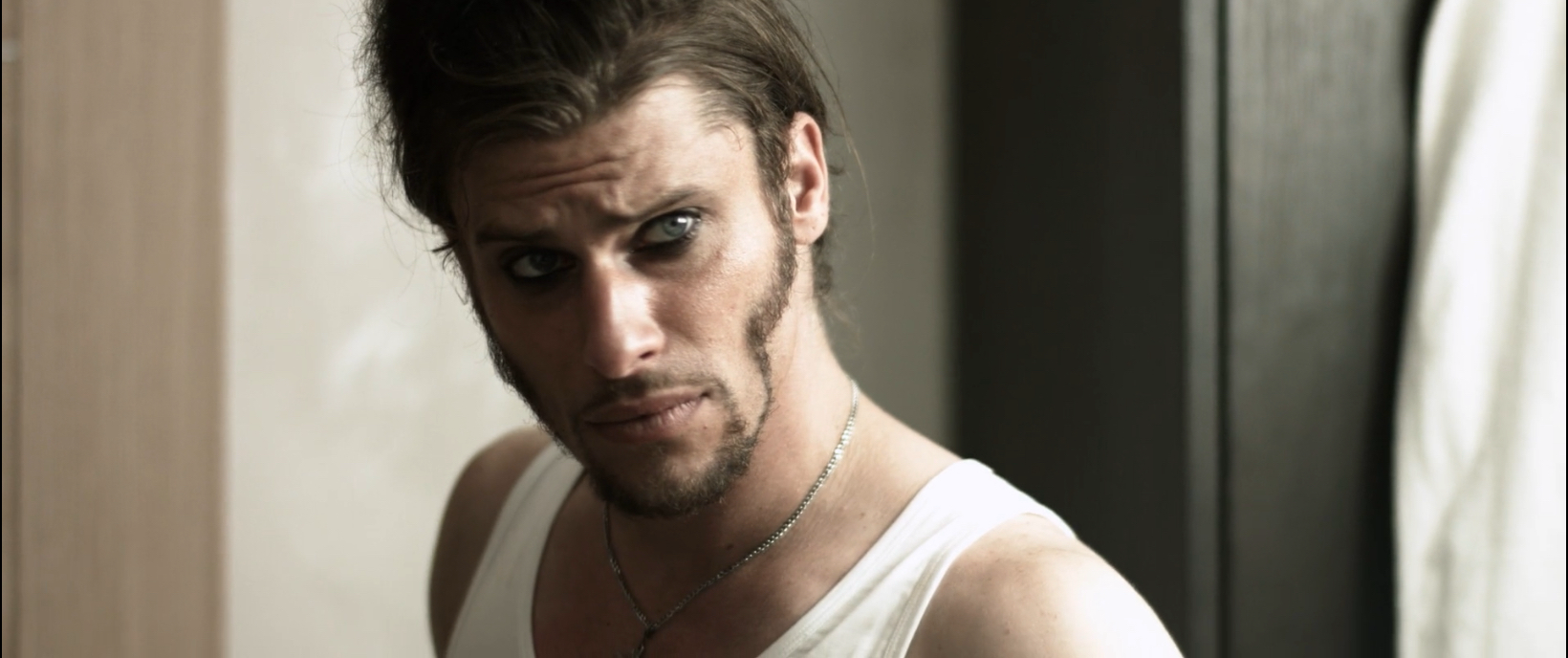
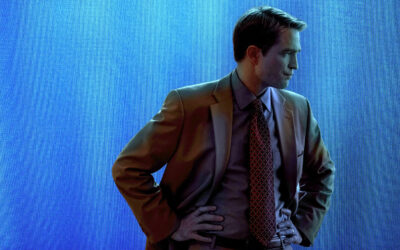
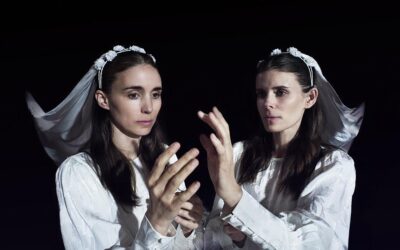
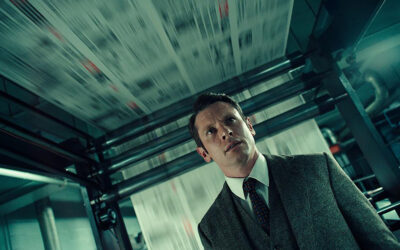
Extracts from the movie FatherBlood by Lucas and Valentin Dupuy – 2024
For this article, I wanted to sit down with Lucas and Valentin — because who better to speak about such a unique creation than the artists themselves?
Could you introduce yourselves and your journey to our readers?
Lucas: “We’re two brothers who’ve been passionate about cinema since we were 11. We started filming on flip phones. Throughout our teens, we kept practicing shooting and editing, upgrading our gear as we went. In 2010, we got our first camera — a Sony DSR PD150. Between 2009 and 2013, we made our first short films, all coming from our own imagination.
We grew up and studied in Franche-Comté, France, but it wasn’t until 2016 that we met Charles — a photographer and patron at a Swiss modeling agency — with whom we quickly formed a friendship. We worked with Charles to create five short films with fantasy themes. This collaboration helped us deepen our understanding of directing, acting, and handling the many constraints that come with the film industry.”
And how did the idea for your first feature, FatherBlood, come to you?
Valentin: In 2018, we decided to deepen our cinematic foundations, deliberately moving away from mainstream trends. Over five years, we explored essential works of French, Italian, German, Russian, Swedish, and Japanese cinema, from the 1930s to the 1980s.
Between 2018 and 2020, we began developing an ambitious satirical medium-length film, but the project was cut short by the arrival of COVID. In December 2020, a meaningful trip to Mont-Saint-Michel tipped everything over, inspiring a tragic narrative involving four characters titled Angels’ Game. After some changes and natural eliminations in the script, we ended up with just two characters, forming a tragedy of duality. In 2024, the project officially became our first feature: FatherBlood.
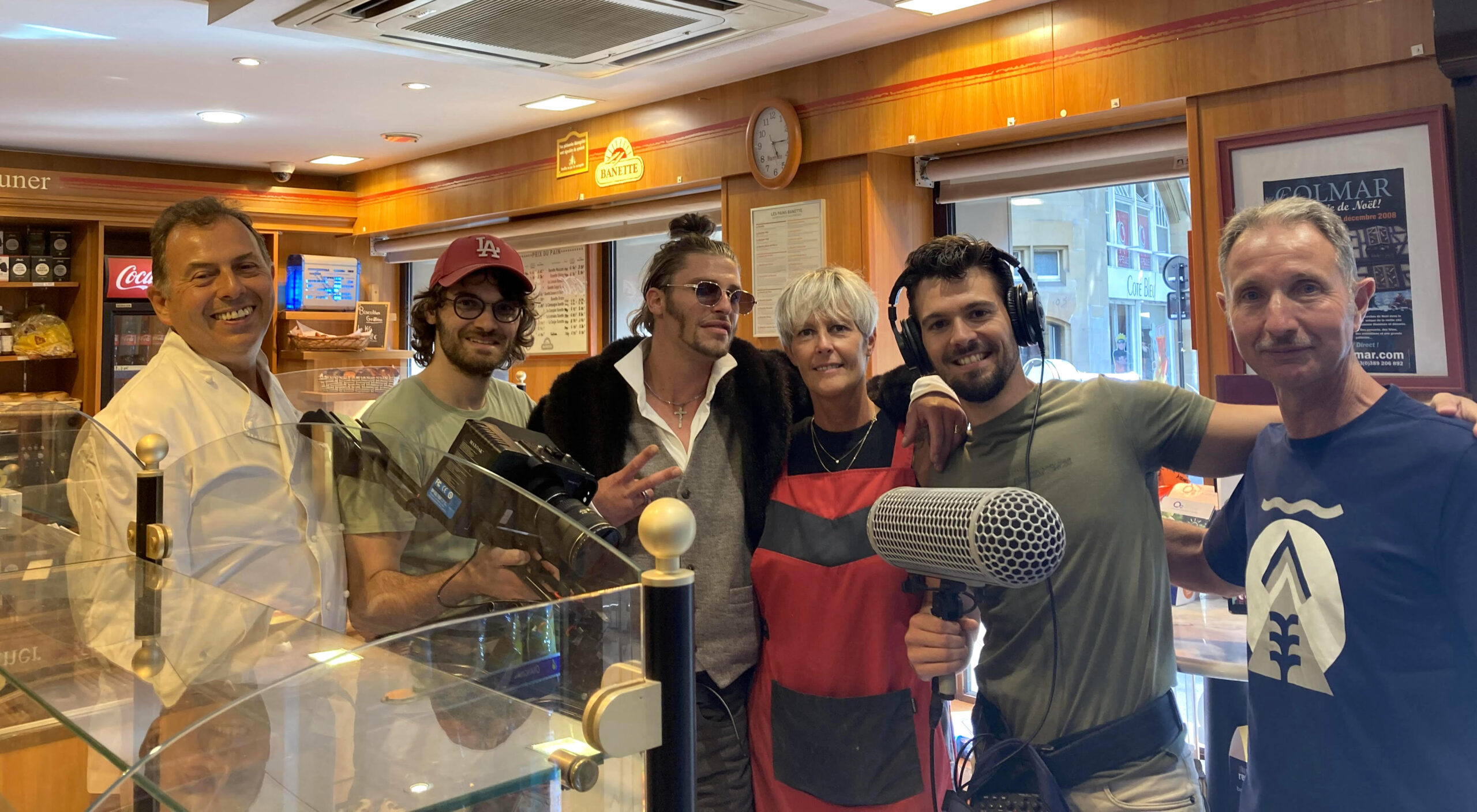
Valentin and Lucas Dupuy and the cast of the movie FatherBlood at Colmar
This is a bold project that spanned several years.
Lucas: Indeed. From its conception to the final cut, FatherBlood took us about four and a half years. The work officially began in October 2020 and was completed at the end of January 2025.
« Although we generally share the same skills and have learned to take on the same roles, each of us may have specific strengths and unique abilities in certain areas. »
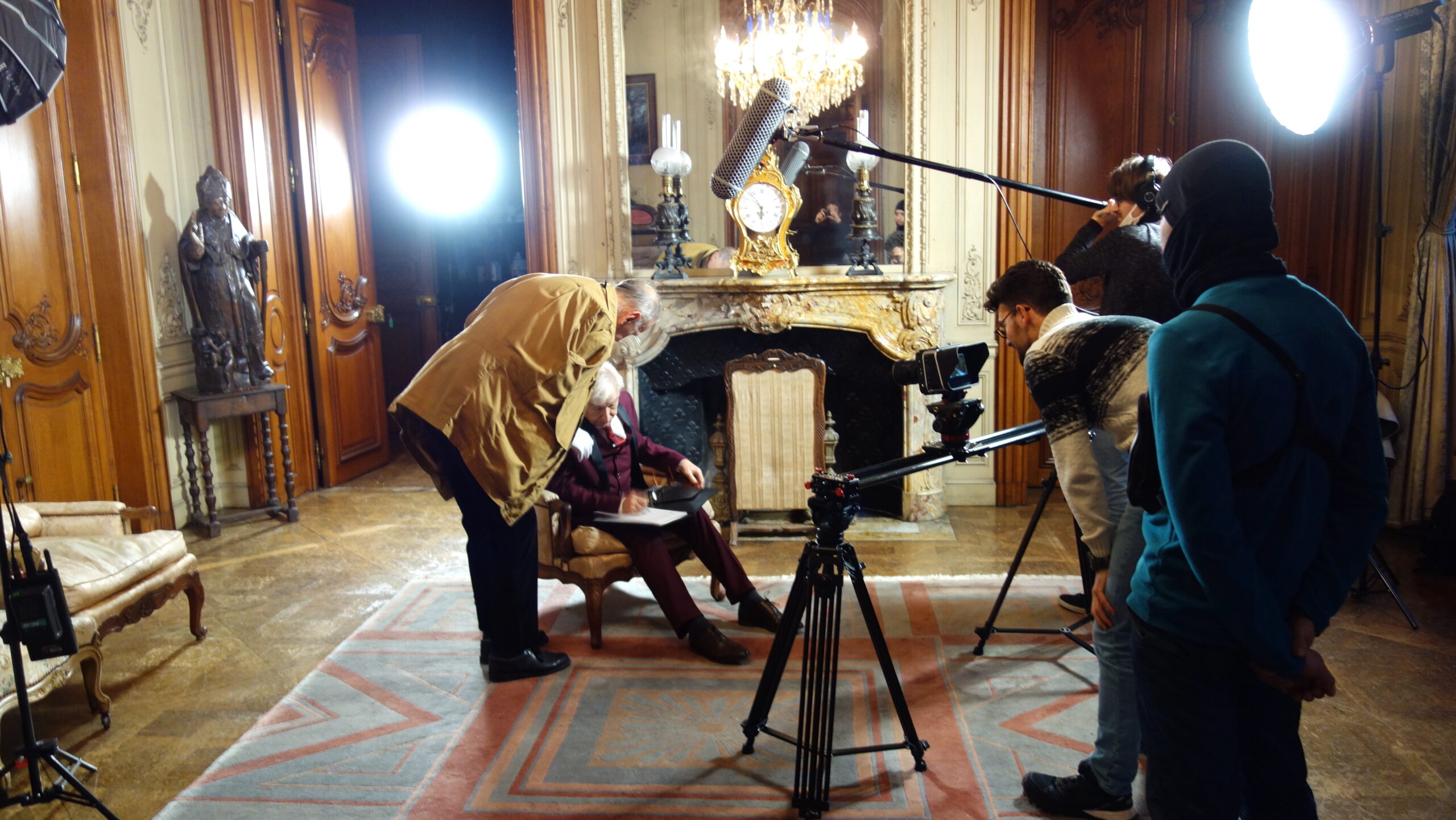
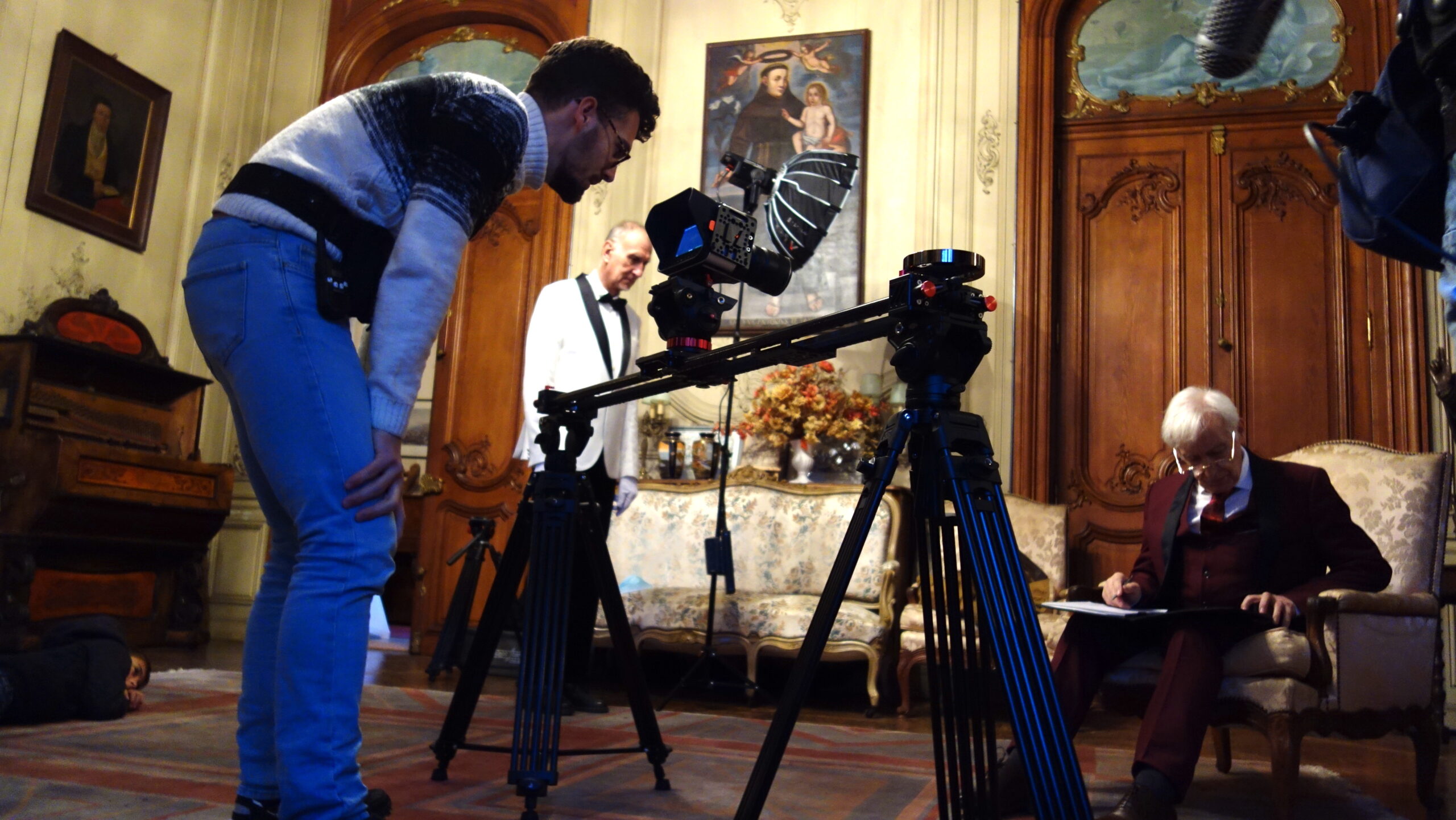
Valentin and Lucas Dupuy on the set of FatherBlood
You directed this film as a duo, hand in hand — what was it like collaborating with your brother, especially on something as subjective as artistic creation?
Lucas: “Collaboration isn’t always easy. It pushes us to constantly grow and question ourselves. In our case, it’s a huge advantage, especially in the face of the difficulties and competitive nature of the industry, which doesn’t easily open its doors to “new generations” — or to “new artists,” to be blunt.
We support each other because it’s almost impossible to succeed in this field alone. I’m more visually inclined — I love imagery, lighting, effects. I understand a film primarily through what I see. Valentin, on the other hand, has a natural gift for working with actors, for relationships, character depth, and the authenticity of dialogue.
While we’ve both mastered the same roles, we definitely each have our own affinities. We help and push one another. We grew up together, watching the same films, being moved or shocked by the same scenes — often at the same time. Despite the occasional tension, we almost always agree on what makes a “successful shot,” a “good performance,” or a “clean sound mix.””
« We firmly believe that the world of horror can sometimes help unleash emotions that couldn’t be expressed in other areas of life. We’re convinced it masterfully opens the doors to the imagination, allowing ancient fears to resurface, along with all the “demons,” “archetypes,” and “bogeymen” of the human collective unconscious. »
Your film frequently borrows from horror tropes. Why choose this genre? Does it offer a broader emotional palette, perhaps even more freedom?
Valentin: “We wouldn’t say FatherBlood fully belongs to the horror genre, though we do borrow heavily from it in the first half, that’s true. But the second part takes a very different turn, placing the character of Gabriel in a more urban, contemporary world. These two contrasting environments give the film a kind of equilibrium — one that places it more in the realm of psychological thriller or simply “genre cinema,” rather than pure horror.
That said, horror has certainly been a major source of inspiration for us. As teenagers, we came up with short films in that genre that gave us chills — and, oddly enough, made us extremely creative.
We do believe the horror realm can help release emotions that might otherwise be repressed. It magnificently unlocks the doors to imagination. It helps release ancient fears — all the “demons,” “archetypes,” or “boogeymen” of the collective unconscious.”
Lucas: “It’s not just horror — but yes, there’s an eerie, dreamlike atmosphere at times. Ironically, the earliest version of the film was meant to be more comedic and satirical (our original project was called From Switzerland with Love). After the disappointment of that project, derailed by COVID, we felt it wasn’t exactly the time to be laughing. It was a time for introspection and reevaluation.
We also noticed that many renowned filmmakers started with dark, strange films — Tarantino with Reservoir Dogs, Kubrick with Fear and Desire, Lynch with Eraserhead, Man Bites Dog, etc. That opened the door for us to genre cinema — which is often less accessible, but highly expressive.
Horror helped us tap into a raw creativity, to explore uncomfortable themes you can’t always address in traditional formats. Without slipping into gore or gratuitous violence, FatherBlood is a tragedy that delves into very dark places — spaces where we could express emotions like rage, aggression, sorrow, or melancholy. Emotions society often deems “disturbing.” We’re also very drawn to psychological themes — stories that require some digging. So this genre came quite naturally.”
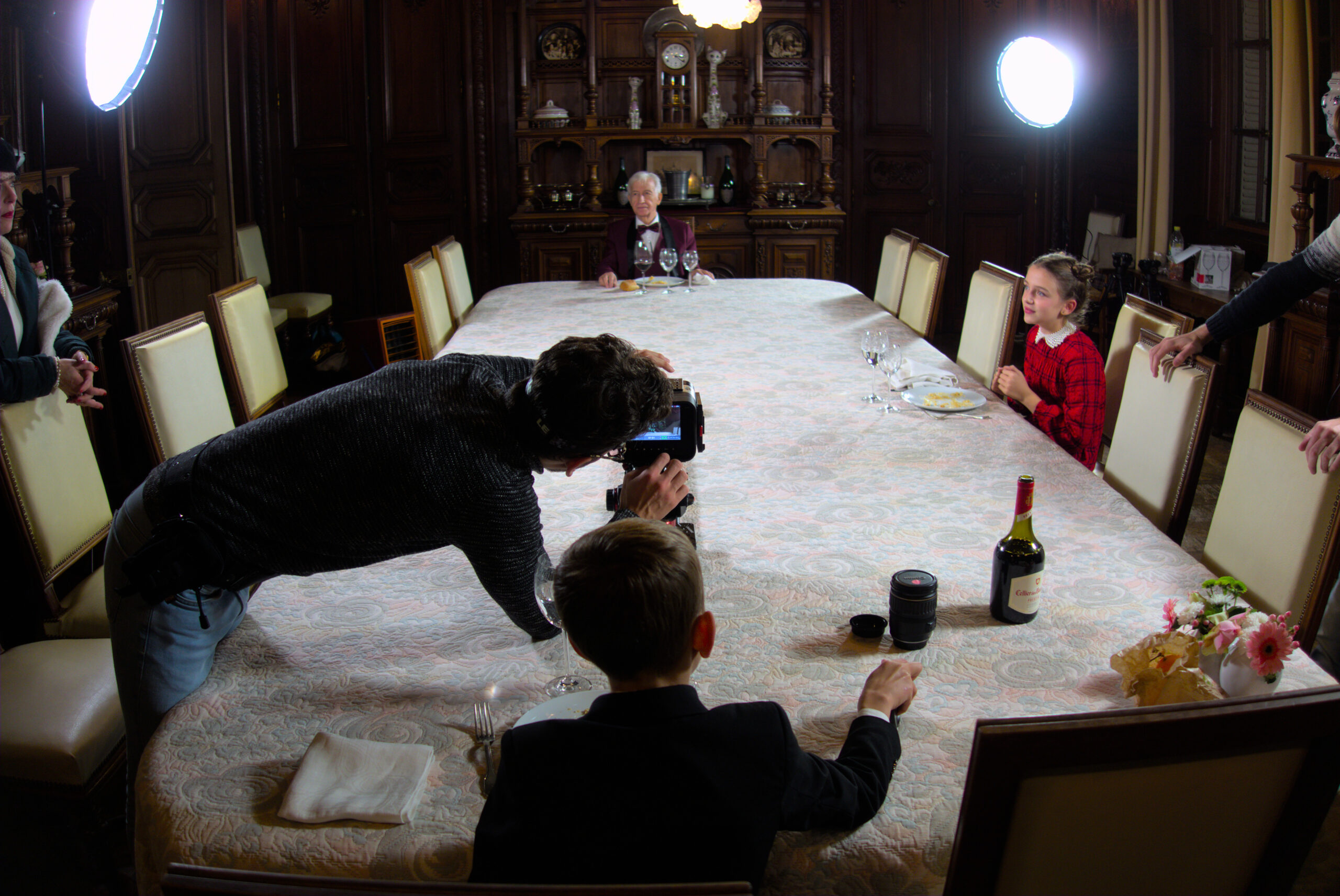
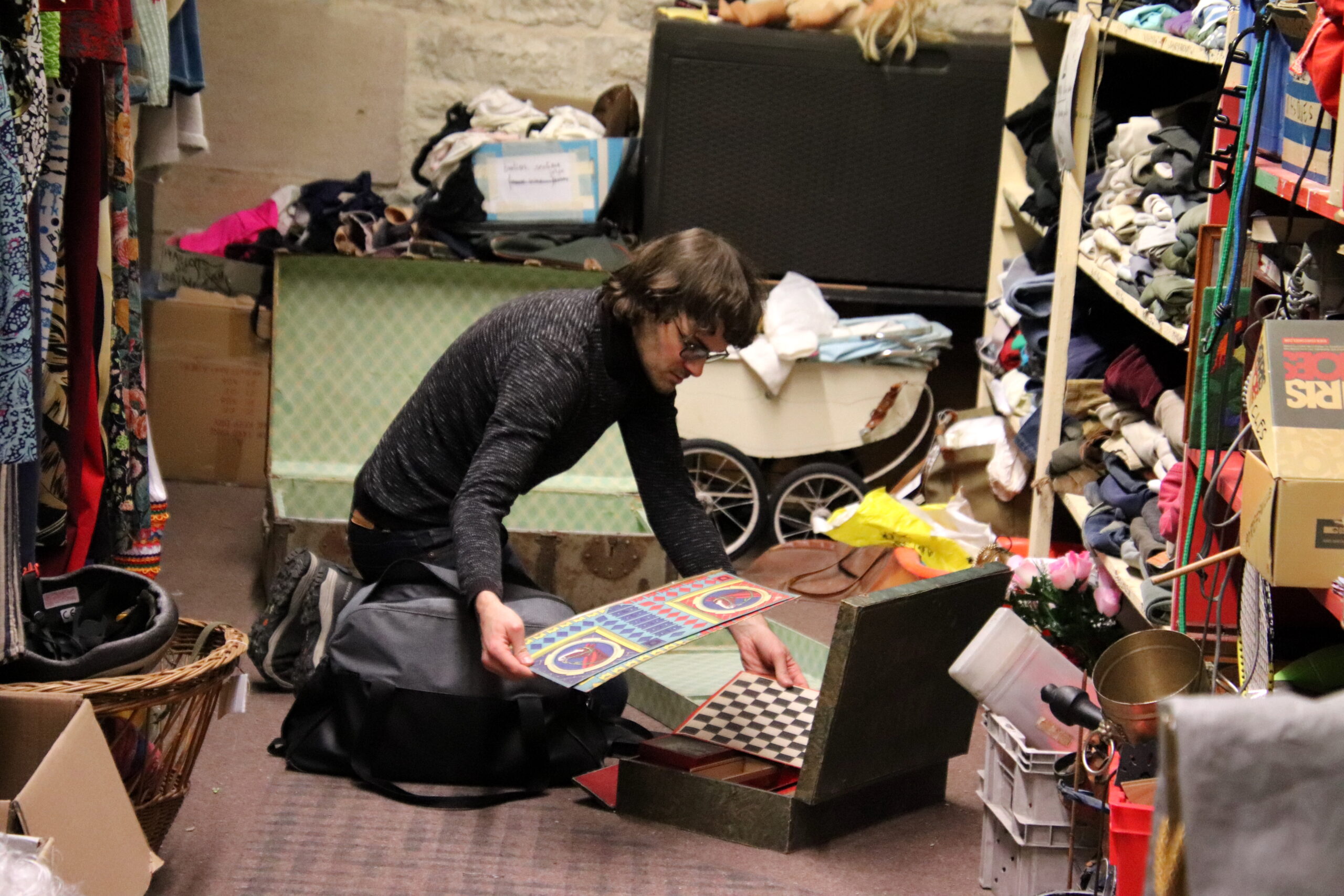
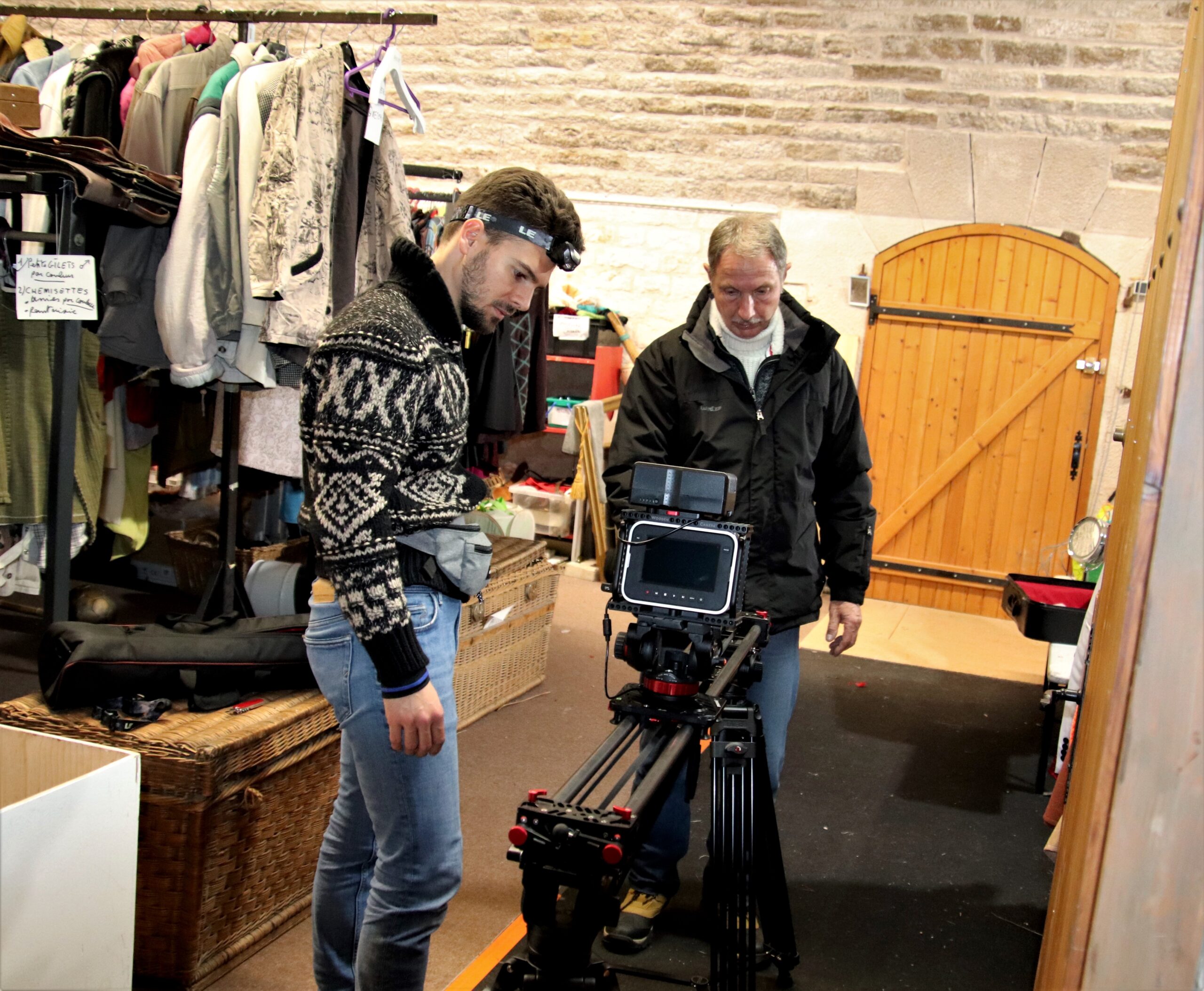
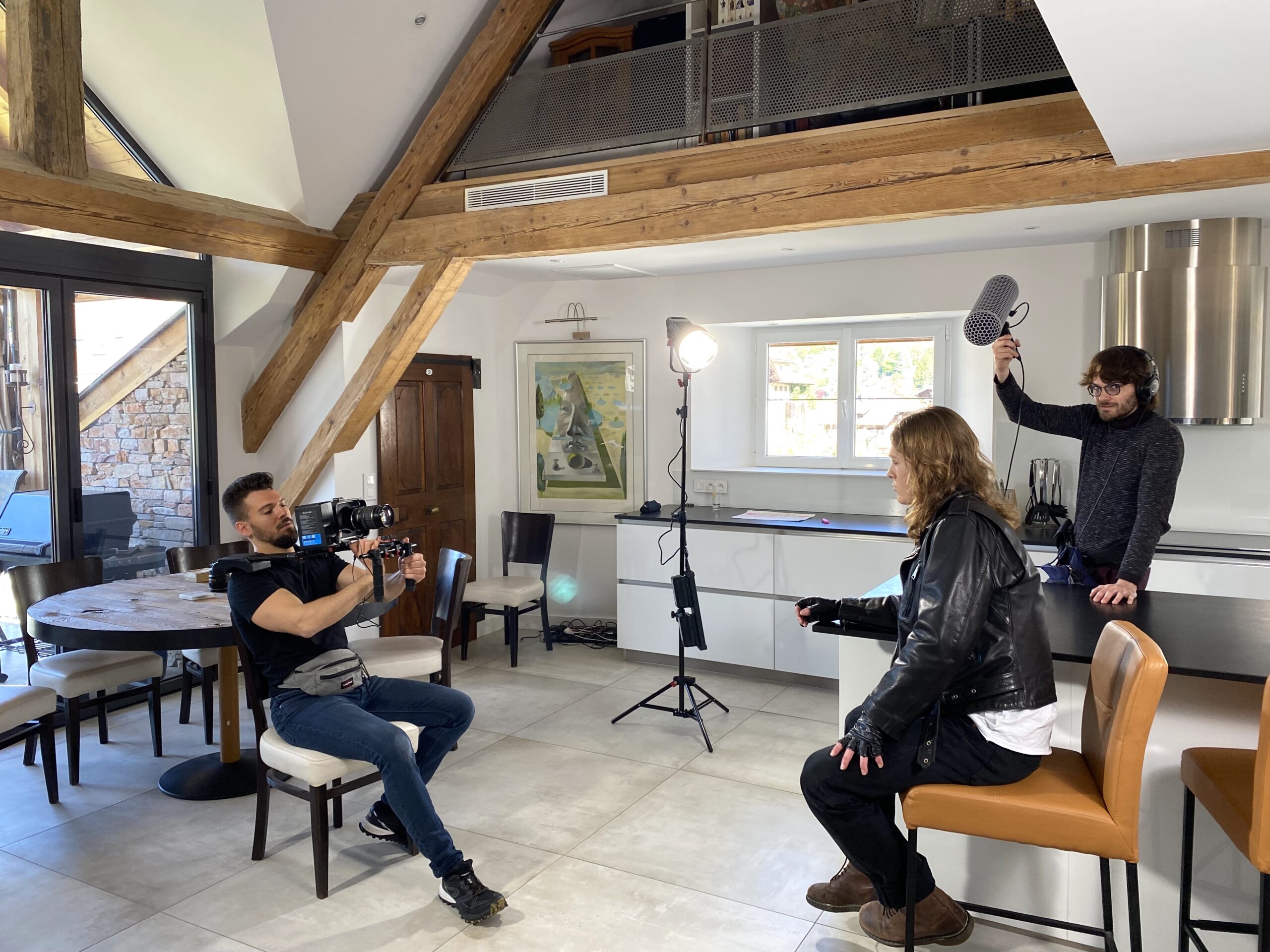
Photographs from the set of the movie FatherBlood
« We originally come from the world of short films, but our teams often pointed out that we approached our shorts as if they were features. »
How did you learn to direct a feature film?
Valentin: That’s a complex question with many layers. But to be concise, for us, it was above all the passion we developed while discovering the great classics — across countries, across eras — over a span of five years. That passion gave us a deep, fertile foundation.
The love for haunting atmospheres, grand soundtracks, genius shots, actors consumed by their roles, or that “perfect twist” — all of that naturally guided us and gave us the momentum to move forward.
In parallel with these non-mainstream classics, which we began seriously studying in 2018, we quickly launched ourselves into the “feature film adventure,” armed with nothing but our drive and our passion.
Lucas: We were self-taught — learning “on the job.” A director from Haute-Savoie, in Thonon-les-Bains, released his first feature, Kerozen, around 2018 or 2019. He indirectly inspired us to jump into the feature format ourselves. Coming from short films, people often told us our shorts felt like condensed features. So the idea of making a long-format film had been simmering for a while. That director — whom I connected with on Facebook — kind of lit the spark. We told ourselves: if he could do it with a micro-budget, so could we.
What challenges did you face during production?
Lucas: Coming from the short film world, we were always told our work felt like features. But a true feature demands impeccable image quality, sound, and acting — that’s the baseline. Everyone imagines a feature on a cinema screen, or comfortably on a flat screen. Nobody wants to watch something unfinished or technically weak.
We saved for years with that level of quality in mind, eventually investing in a professional 35mm digital camera — far superior to the usual “consumer-grade” cameras used in short films. We scoured the internet for tips, tutorials, and resources to understand the inner workings of feature production.
This is usually where “novices” drop out — when they begin to grasp just how much technical know-how is involved. And even if you manage to get the gear to film, light, and record sound — you still need the sets and the actors to bring it to life credibly.
That’s why FatherBlood took so long. Our workflow alternated between intense, short shooting phases, and more extended theoretical incubation — watching films, reading technical books, studying how our gear worked, and so on »
Do you have upcoming projects?
Valentin: Yes, we’ve co-written two story treatments that might be better suited for television — one is a crime story, and the other leans more into adventure/mystery.
More recently, we’ve started developing the detailed synopsis for a new feature — a drama/spy/thriller hybrid. It tackles one of the major (and controversial) themes of our time: artificial intelligence. To summarize very briefly, the hero is under surveillance by virtual control programs but ultimately finds guidance through the love of a woman.