by Alexandra I. Mas
There are documentaries that explain a crisis, and there are those rare works that attempt to alter the way we see the world around us. Groundswell, directed by Josh Tickell and Rebecca Harrell Tickell and narrated by Woody Harrelson and Demi Moore, belongs firmly to the latter category.
The final chapter in a trilogy that began with Kiss the Ground and continued through Common Ground, Groundswellcloses a ten-year cinematic journey spanning five continents. This endeavour has become one of the defining cultural and ecological narratives of the regenerative movement, placing the soil beneath our feet not only at the centre of contemporary thought, but back within the emotional and philosophical core of our relationship to the Earth.

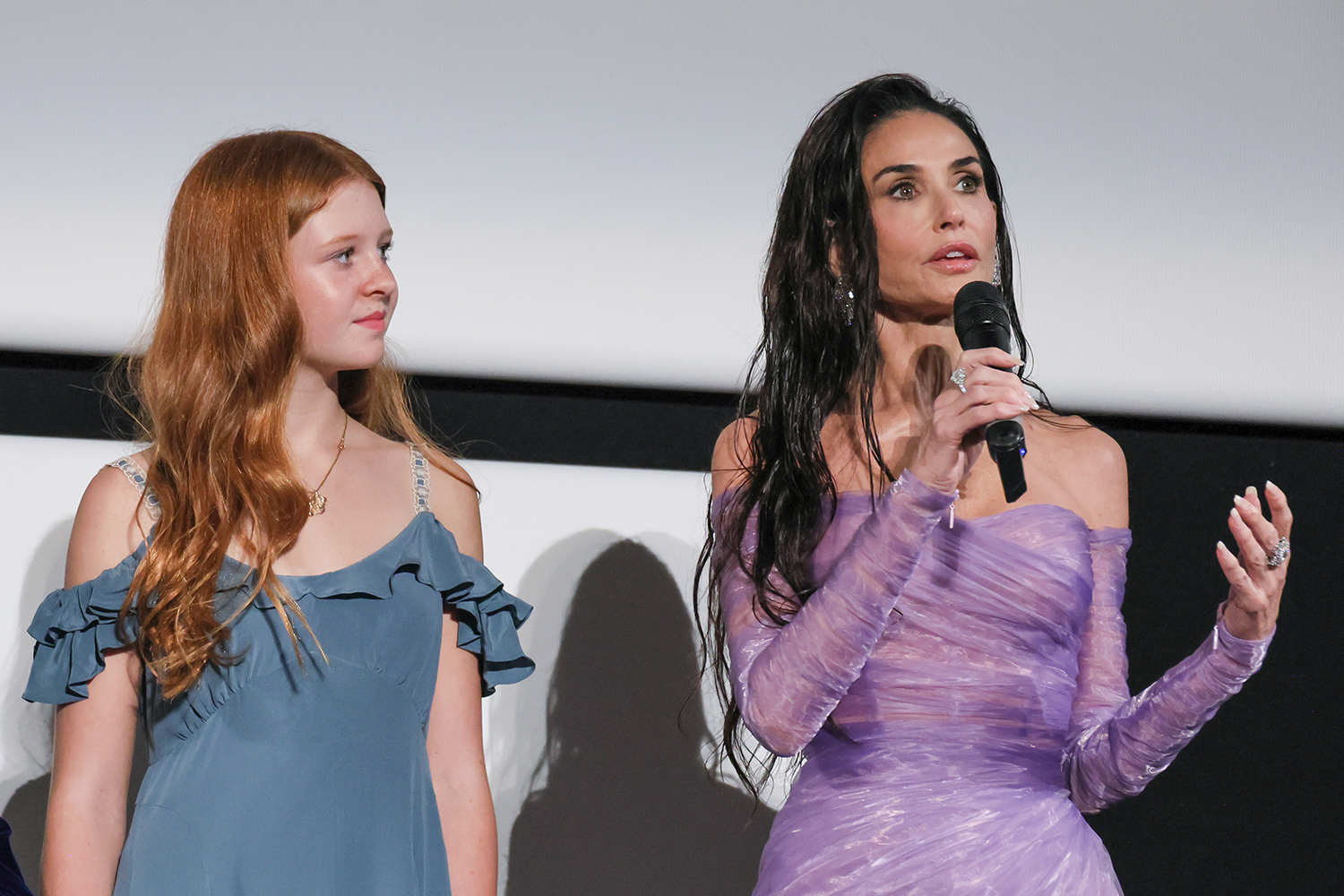
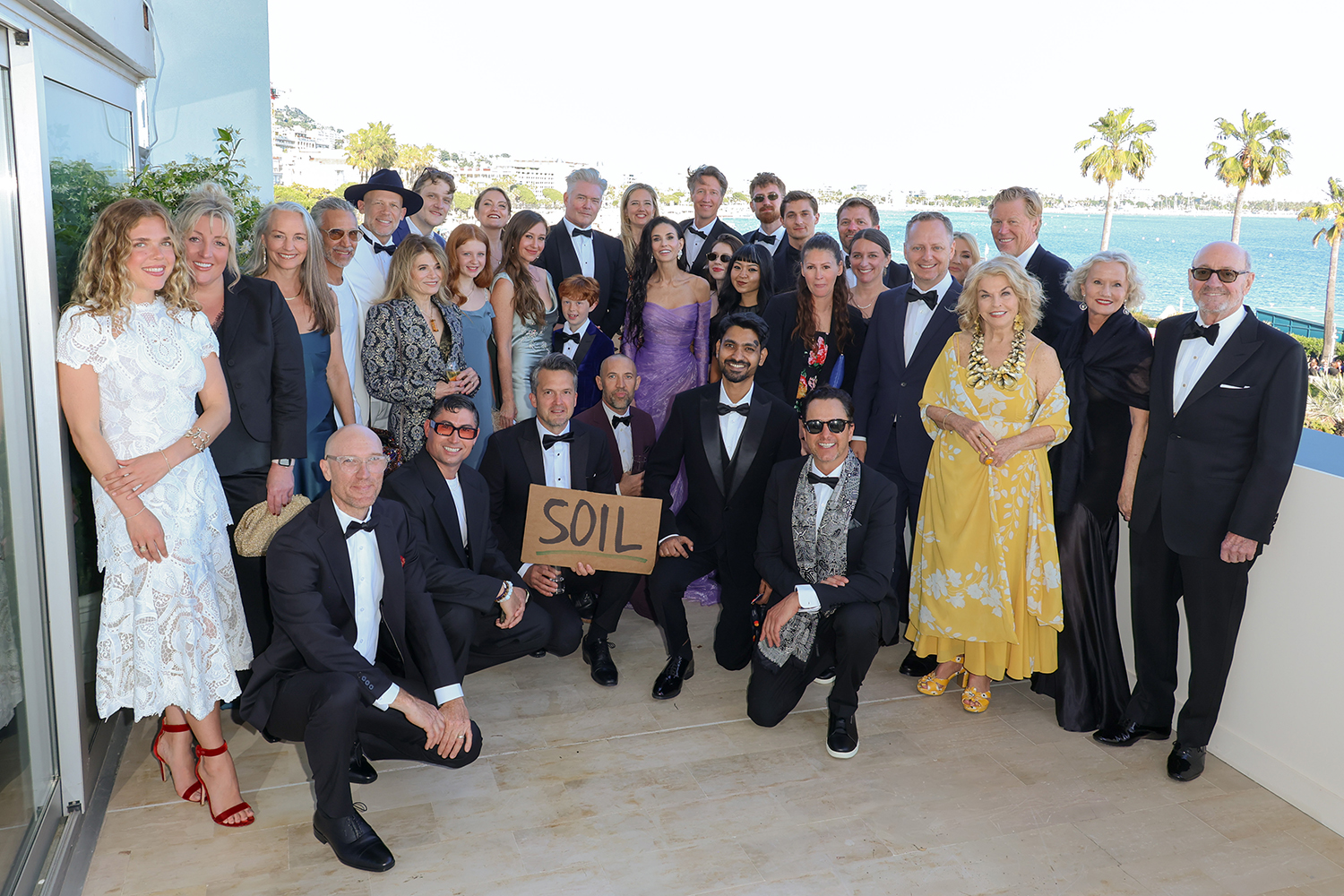
US directors Joshua Tickell and Rebecca Harrell Tickell with Demi Moore
Across Kiss the Ground, Common Ground and now Groundswell, the trilogy traces a remarkable arc: from awakening, to structural critique, to collective possibility. If the earlier films asked why soil matters and what prevents change, Groundswell asks a larger question: what if regeneration itself became culture?
And perhaps this is precisely where the project becomes important beyond cinema.
For more than a decade, Josh Tickell and Rebecca Harrell Tickell have worked not simply as filmmakers, but as architects of narrative transformation. Their documentaries do not end with awareness. They attempt to engineer consequence. Since the release of Kiss the Ground in 2020, more than thirty million acres in the United States have reportedly transitioned toward regenerative agricultural practices. What once belonged to ecological marginality is entering industrial and economic discourse.
Ahead of the film’s global premiere at the Cannes Film Festival, the filmmakers launched the One Billion Acrescampaign, an ambitious international initiative calling on corporations and agricultural systems worldwide to commit to regenerative transition at scale. Nespresso became the first major company to publicly sign the pledge, committing to having at least 75% of its agricultural supply chain verified or certified regenerative.

“As we filmed Groundswell across the world, we met people restoring ecosystems, farms, and communities in ways that gave us real hope for the future. Our two children traveled with us throughout the making of this film, witnessing both the fragility of our planet and the extraordinary resilience of people working to heal it. One Billion Acres is about turning regenerative agriculture into a global movement, because the future our children inherit depends on what we do now,” said filmmaker and director Rebecca Harrell Tickell.
“With over 1,000 farms studied globally with stunning results on carbon capture, food production and taste, we now know regenerative agriculture can scale and now with Nespresso’s commitment to advancing regenerative agriculture worldwide, we also see major food brands making real world commitments to regenerating soil and natural ecosystems, and strengthening communities,” said filmmaker and director Josh Tickell.
This shift matters because Groundswell understands something many ecological narratives fail to articulate clearly enough: regeneration is no longer purely ethical language. It is rapidly becoming infrastructural language. Soil health now intersects with economics, food systems, biodiversity, public health and geopolitical stability itself.
The film travels from the coffee highlands of Central America to the grasslands of East Africa, constructing an ecological cartography where restoration is not romantic fantasy, but technical, agricultural and social possibility. The imagery remains luminous, but the argument underneath is rigorous: biodiversity recovery, carbon sequestration and resilient food systems are no longer isolated ambitions. They are interconnected conditions for survival.
In its closing moments, His Majesty Prince William introduces regenerative pioneer Gabe Brown, passing a symbolic torch between generations. Stewardship, the film suggests, is inheritance.
Rebecca Harrell Tickell perhaps articulates the emotional core of the project most clearly. While filming across continents, their two children travelled alongside them, witnessing both ecological fragility and the resilience of communities attempting to heal damaged systems. The future discussed throughout the trilogy is therefore never abstract. It is familial. Immediate. Intimate.
After a decade of filming, research and global observation, Groundswell ultimately proves to be more than cinema. It reads almost as a field manual for relearning an ancient truth modernity has spent centuries attempting to forget:
Humanity does not stand above the Earth.
We emerge from it.