
Written by Alexandra Touchard
On March 15, 2026, the annual Oscars ceremony took place, hosted this year by comedian Conan O’Brien, who did not miss the opportunity to joke about house security following the recent controversy surrounding Timothée Chalamet and his criticism of the opera world. With a rhythm that alternated between comedy and drama, the ceremony was conducted with an almost orchestral precision.
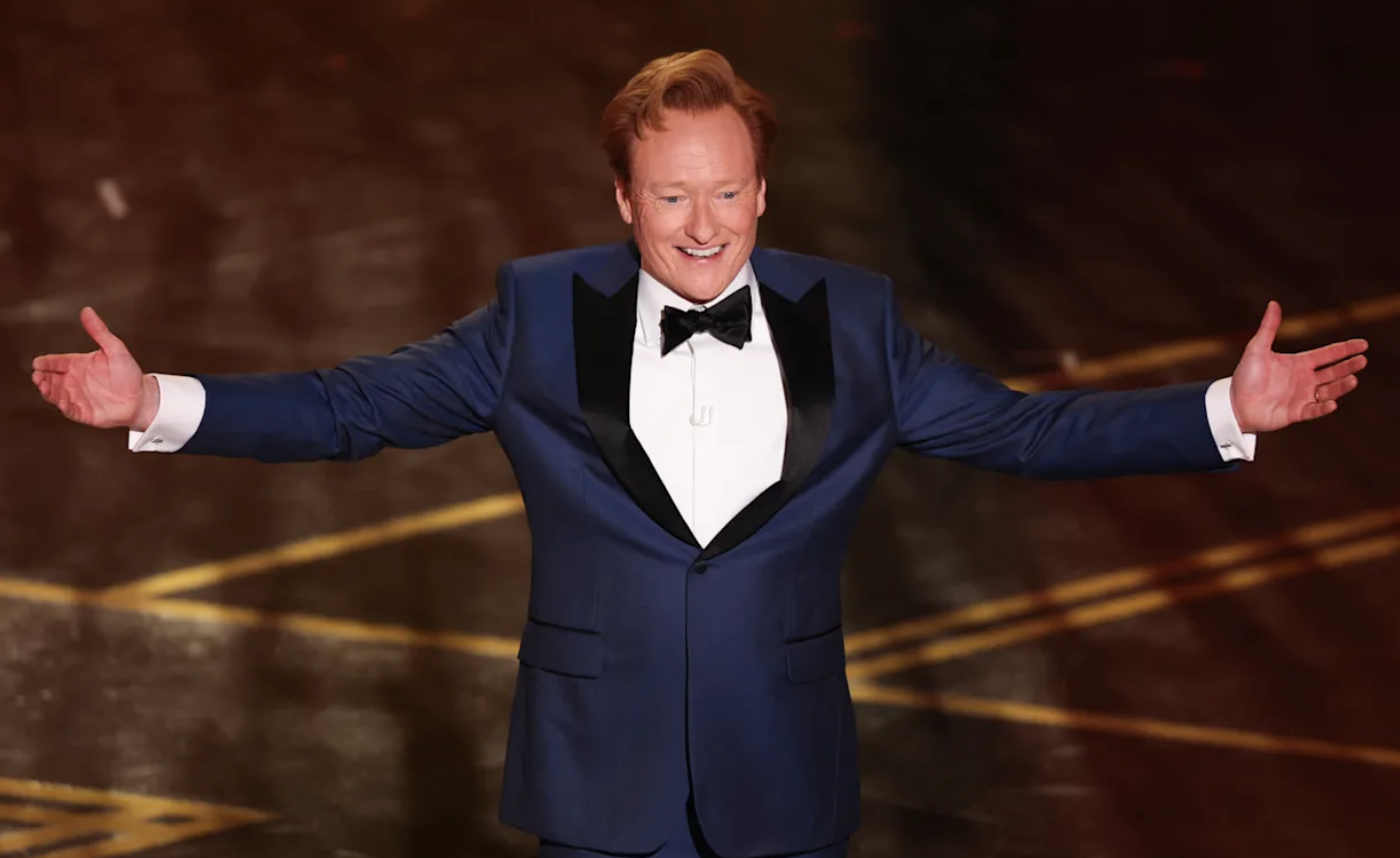
Conan O’Brien at the Oscars 2026
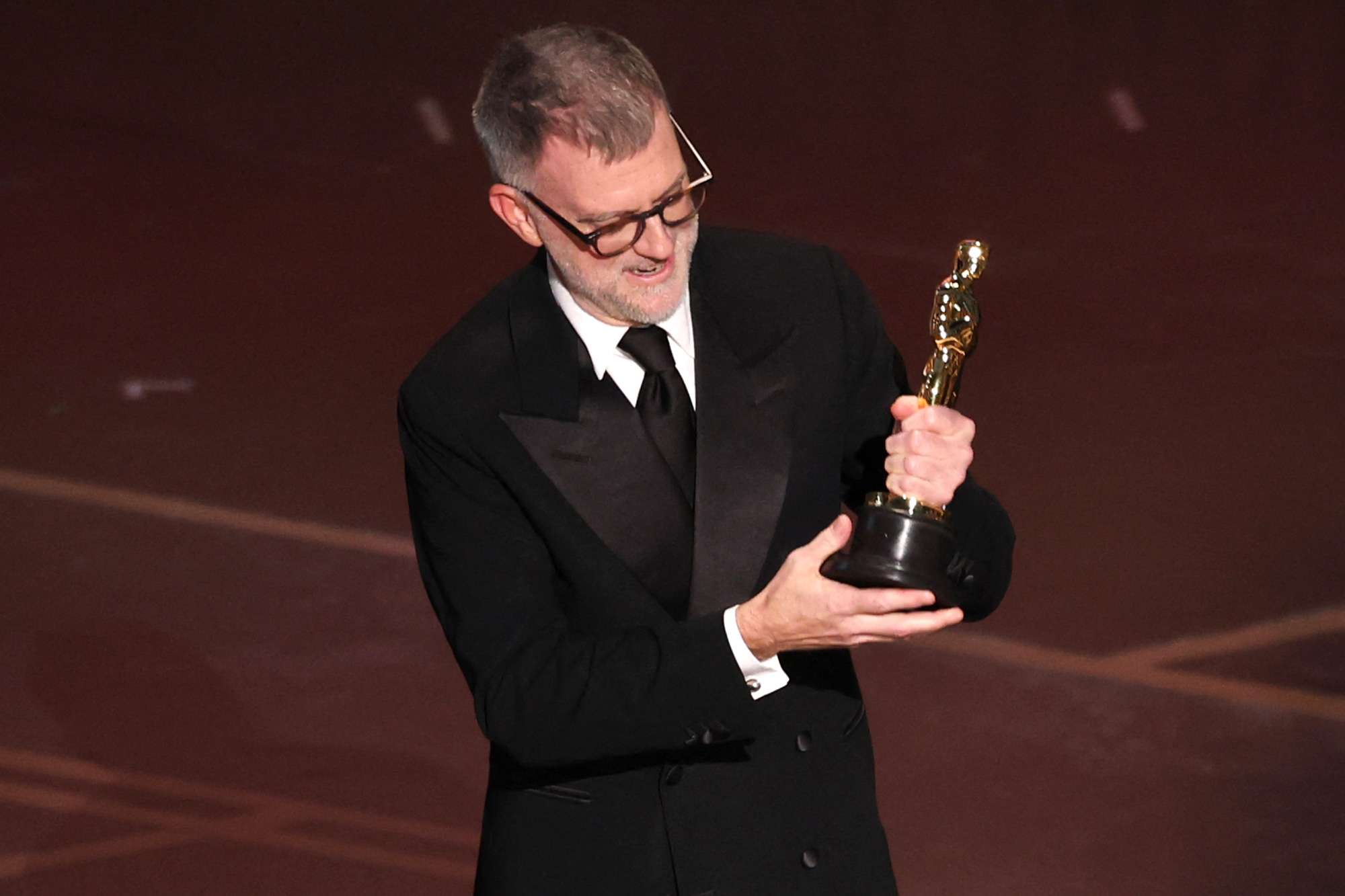
Paul Thomas Anderson walked away with the Oscar for Best Picture and Best Director for One Battle After Another, which also won Best Adapted Screenplay, Best Supporting Actor for Sean Penn, and Best Casting. A list of awards that makes sense when one looks more closely at the director’s career. However, it is somewhat surprising that the Academy awarded both Best Director and Best Picture to the same work, especially given that other major films such as Hamnet or Marty Supreme were also nominated. Although the critical reception was largely favorable, the eccentric action film starring DiCaprio does not, at first glance, appear to be a particularly memorable work within the filmography of the great PTA.
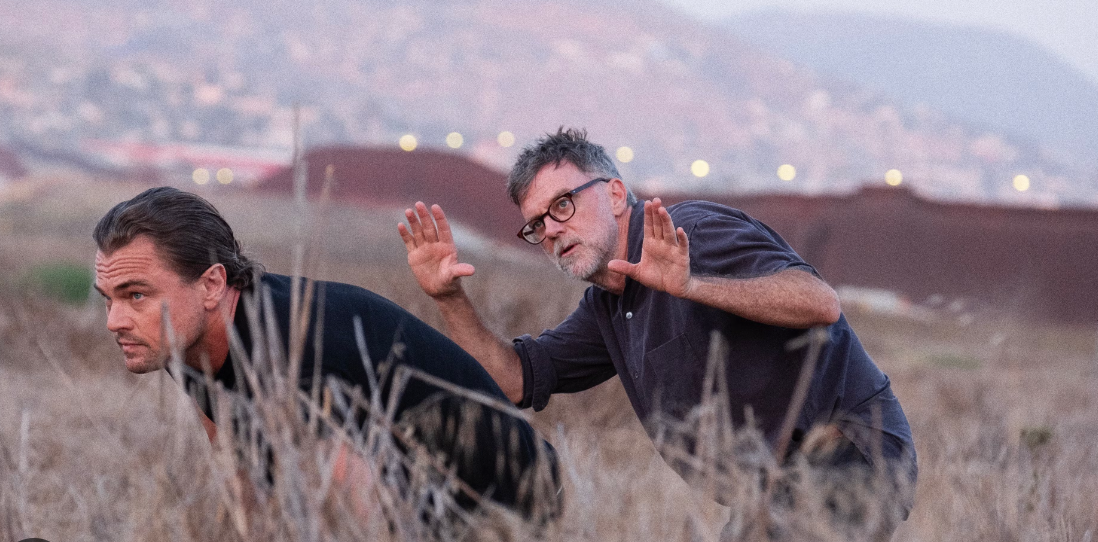
Paul Thomas Anderson and Leonardo DiCaprio on the set of A Battle after Another.
The remarkable Jessie Buckley quite naturally won the Oscar for Best Actress for her role as Agnes in Hamnet. After sweeping all the previous awards, beginning with the BAFTAs and the Golden Globes, the actress is justly rewarded for an absolutely devastating performance: that of a mother enduring the death of her child.
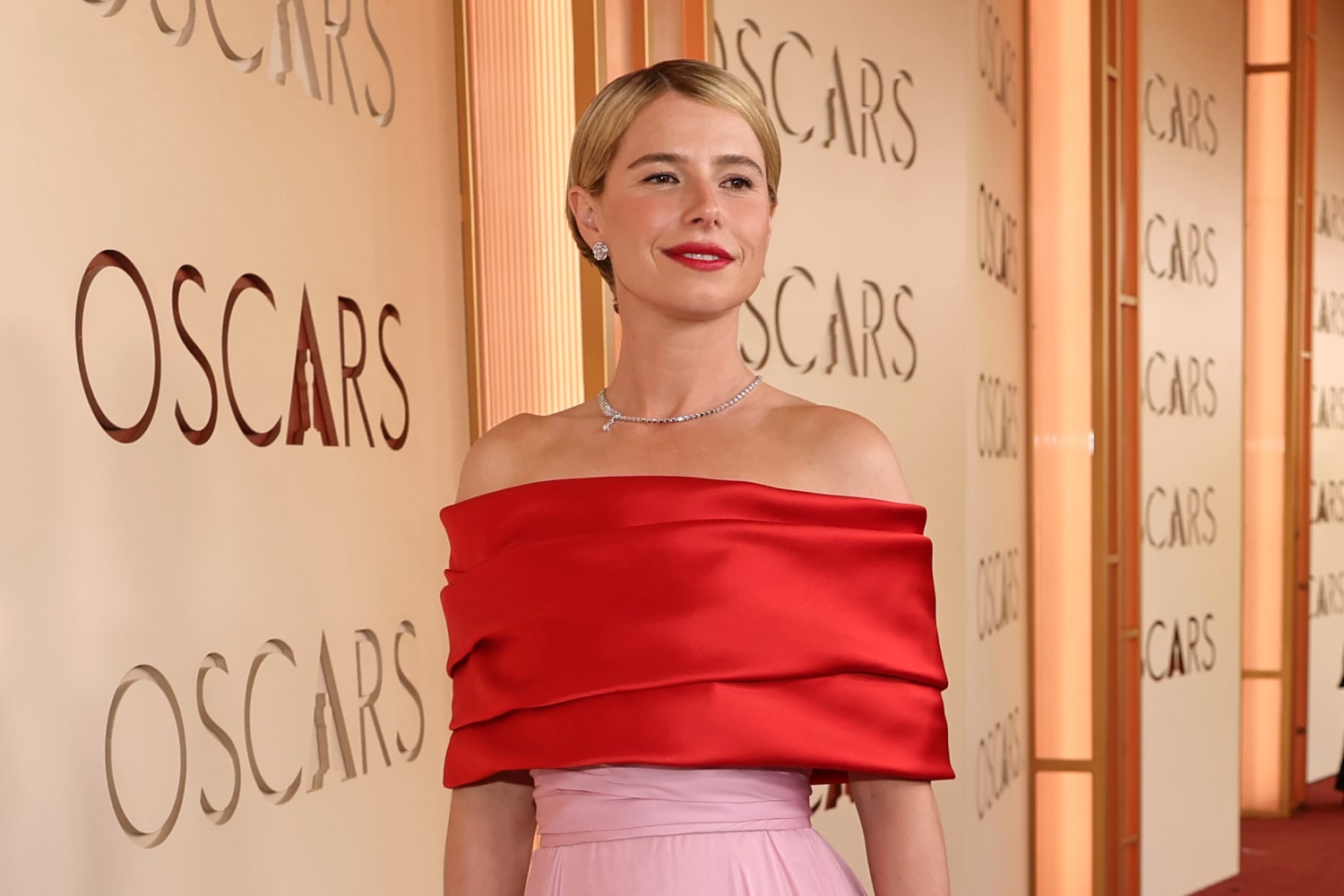

Jessie Buckley and her Oscar prize for Best Actress in Hamnet (Chloé Zhao)
The other major winner of the ceremony was Sinners, which left with 4 statuettes: Best Actor in a Leading Role for Michael B. Jordan, Best Original Score, Best Cinematography, and Best Original Screenplay. The film did not resonate as strongly in Europe as it did in the United States, where it represents—particularly for African American communities—an emblem of pride and a manifesto of Black culture, especially in relation to the blues, jazz, and gospel traditions that the United States enjoys today.

Michael B. Jordan and his Oscar of Best Actor for his role in Sinners
Among the ceremony’s notable moments was a beautiful tribute to Rob Reiner and his wife, delivered by many of the leading actors from the director’s most famous films. The filmmaker passed away tragically a few months ago. Rachel McAdams also paid a moving tribute to Diane Keaton.
Javier Bardem presented the Oscar for Best International Feature Film, opening his speech with a firm statement: “No to war and free Palestine.”
Lionel Richie surprised the audience by stepping onto the stage with an orchestra to perform Say You, Say Me before presenting the award for Best Original Song.
Two glamorous divas who fuel our collective imagination—Anne Hathaway (for her iconic role in The Devil Wears Prada) and Anna Wintour (who inspired the character of Miranda in the same film)—together gave the Oscar for Best Costume Design to Frankenstein, which also won the awards for Best Makeup and Best Production Design.
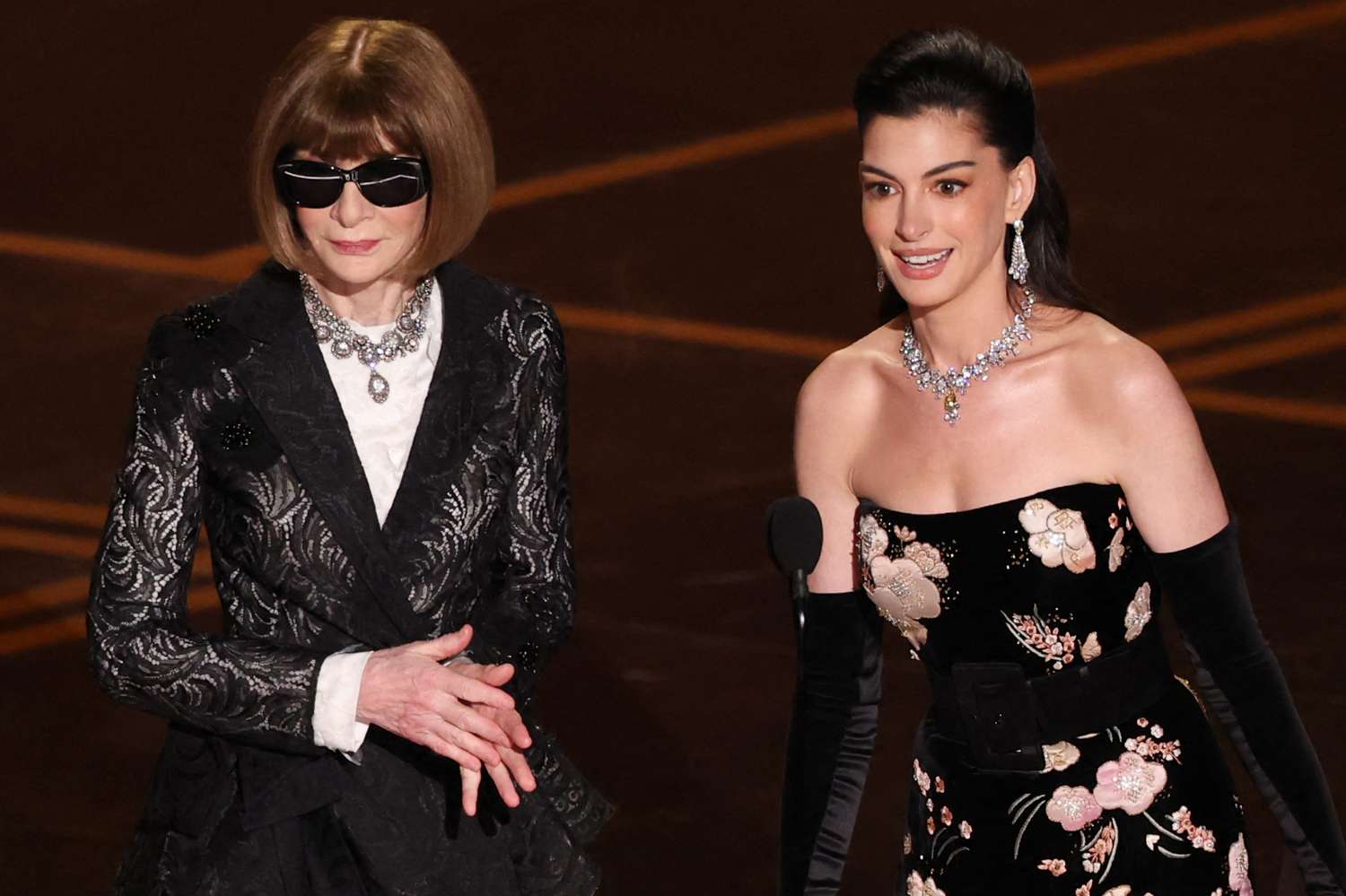
Anna Wintour and Anne Hathaway at the Oscars 2026
Finally, it is worth noting how much Avatar remained on the margins of this year’s selection, winning only one Oscar: Best Visual Effects. The saga no longer seems to inspire the same sense of wonder in the general public that it did when its first chapter was released in 2009.
More generally, this year’s winners, just as the nominations had suggested, reflect a paradigm shift in Hollywood cinema. As films from countries such as Brazil — The Secret Agent — Iran with It Was Just an Accident, and Norway with the highly nominated Sentimental Value emerge on the American scene (beyond the category of foreign films), it becomes clear that attention is no longer centered on the American major production studios. The fact that a film like Sinners has won so many awards says a great deal about the value that both audiences and critics now place on the moving image.