by Alexandra I. Mas
Vertige, presented at Studio Harcourt, positions itself around a precise threshold: the moment when desire ceases to be latent and becomes an act. Not an explosion, but a shift, almost imperceptible, where hesitation gives way to decision.
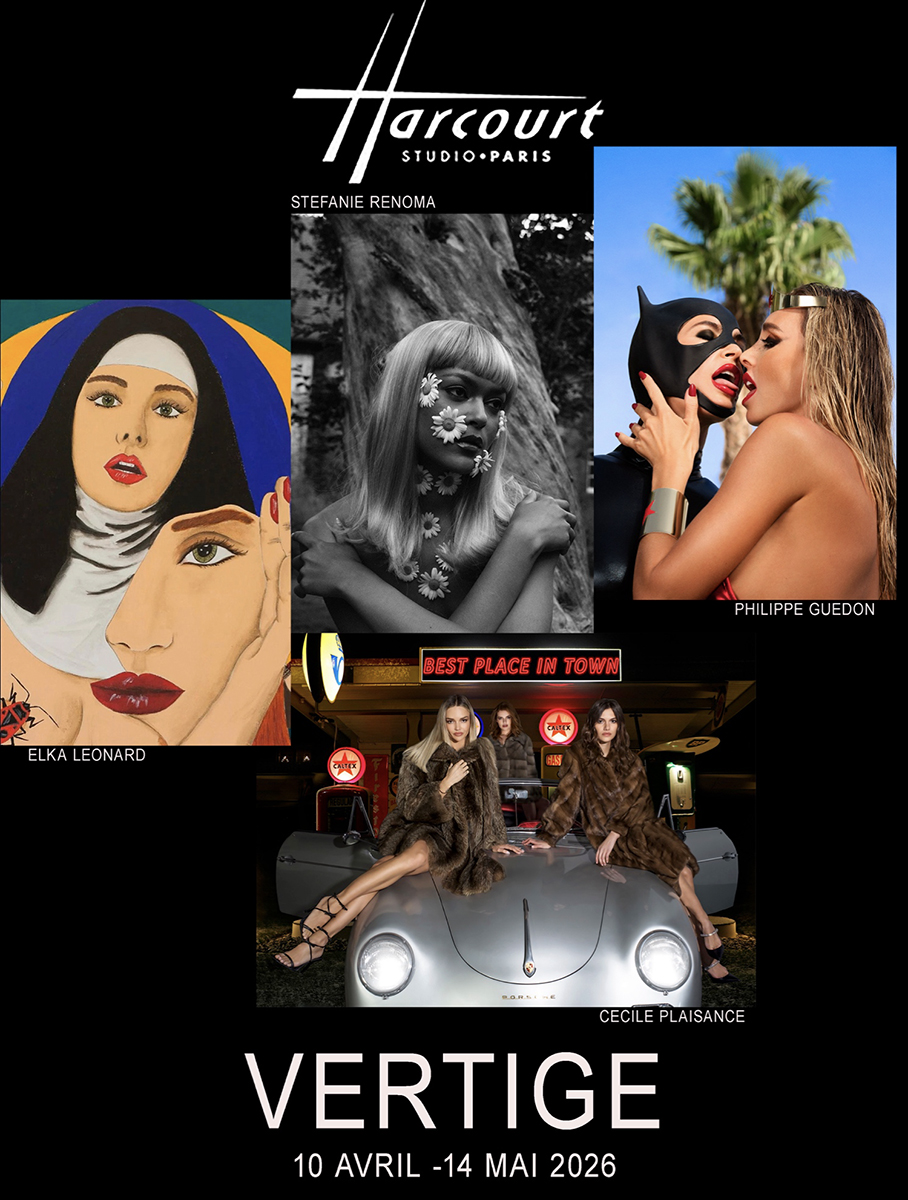
The exhibition unfolds through photography and painting, gathering the works of Philippe Guédon, Elka Leonard, Cécile Plaisance, and Stéphanie Renoma. What binds them may be a shared style, but most of all, we see here shared tension: the representation of women at the point where they no longer wait to be defined. There is no narrative imposed. Instead, each work isolates a state, bodies that assert rather than suggest, gazes that no longer negotiate their presence. The feminine figure is neither idealized nor explained; here femininity occupies the atmosphere.
The choice of Studio Harcourt is not incidental. Historically, the studio has operated as a space of transformation, documenting subjects, placing them in a controlled interval between shadow and light. Within this context, the exhibition finds a natural extension: the image is a declaration.
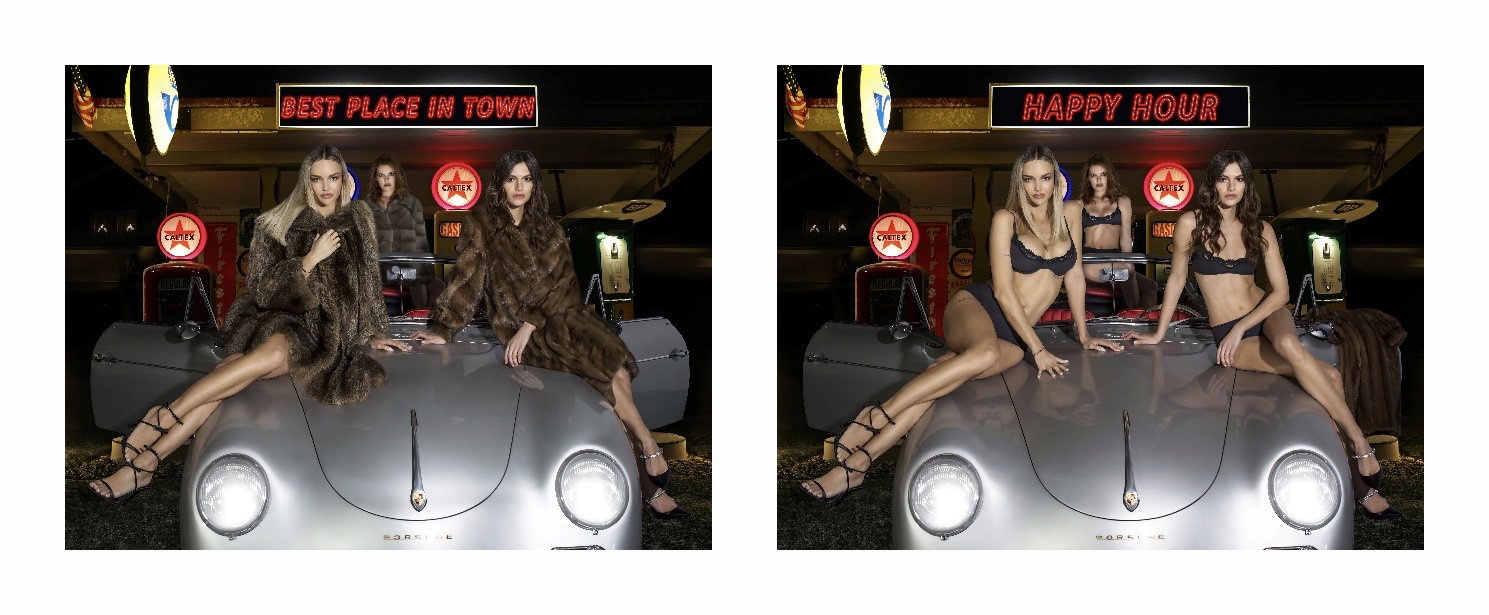
Cécile Plaisance
Across the four practices, different strategies emerge. Guédon constructs staged images where the body becomes a site of projection and control. Leonard introduces narrative density, embedding her figures within symbolic and textual layers that resist immediate reading. Plaisance destabilizes perception through lenticular techniques, multiplying viewpoints and fragmenting certainty. Renoma turns inward, approaching the image as a space of psychological exposure, where identity is neither fixed nor resolved.
What connects them is a shared refusal: to present the feminine as passive surface. Instead, the image becomes a site of authorship.

Philippe Guedon
Stéfanie Renoma — The Body That Does Not Ask
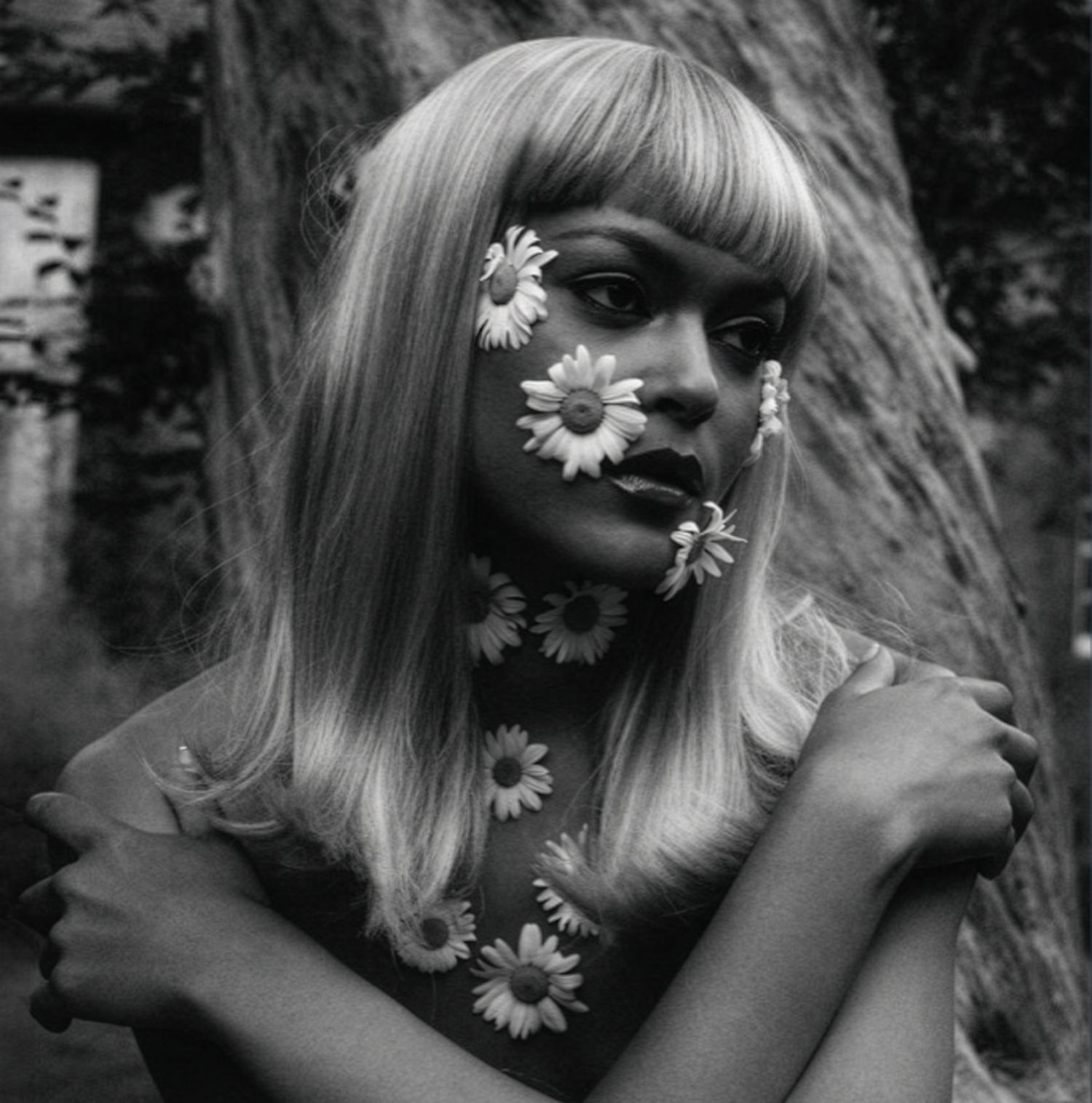
Stéfanie Renoma approaches women in her photography as thresholds. What appears at first as sensuality quickly escapes that category. The images refuse to settle into the familiar economy of seduction where the body is offered, framed and consumed. Here, the body is not presented; it is asserted. It does not wait to be seen. Her work unfolds in a tension that recalls, at times, the radical intimacy of Nan Goldin, not in form, but in the refusal to idealize, and the controlled theatricality of Helmut Newton, yet without his gaze of domination. Where Newton staged power, Renoma displaces it. Where Goldin exposed vulnerability, Renoma holds it without collapse.
The women in Renoma’s camera are neither muses nor projections. They are presences that oscillate between fragility and command, between exposure and withdrawal. This mutation is structural. It is where the image holds. There is audacity in her work, but it is not provocation for its own sake. It lies in her refusal to resolve the contradictions she stages. A figure may appear almost defenseless, and yet something in the gaze, in the posture, resists access. Seduction is present, but it is never granted. It is held at a distance, redirected, sometimes even turned back toward the viewer.
The word “sexy” fails here because it implies availability. Renoma’s images are not available. They are precise. They operate within a controlled field where the body becomes a site of negotiation, not between artist and model, but between image and viewer.
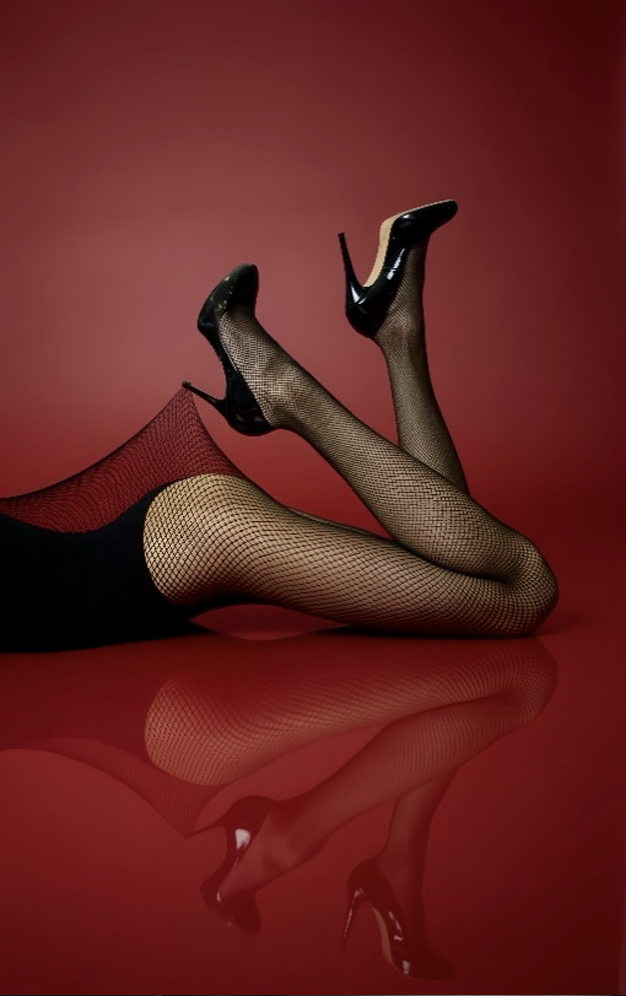
Stéphanie Renoma
Her background in art direction remains visible. Each frame is constructed, measured, reduced to what is necessary. There is no excess. The staging is often minimal, sometimes stark, allowing the body to carry the full weight of the image. In this, one might also think of Guy Bourdin, the sense that something has already happened, or is about to, yet Renoma often removes the narrative clues. What remains is tension, suspended.
Since 2019, her work has extended into what she calls Photo Beauty Therapy, notably with the Institut Rafaël. This shift reveals the underlying structure of her practice: the image as a space of reappropriation. Not representation, but transformation. The photographed body is no longer an object to be seen, but a surface through which something is reclaimed.
This is where her work becomes difficult to categorize. It moves between fashion, portrait, and something closer to a psychological act. Renoma’s women do not perform femininity. They test its limits, and in that test, something emerges, not fragile, not dominant, but exact. A presence that no longer asks.