by G.Wen
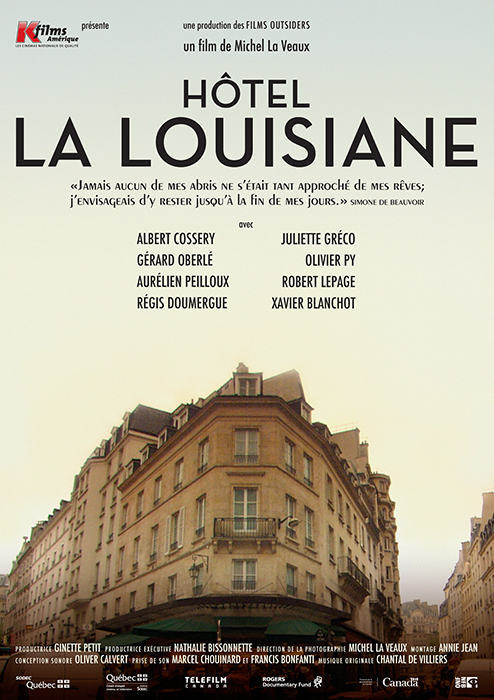
Tucked away at 60 rue de Seine, in the heart of Saint-Germain-des-Prés, Hôtel La Louisiane is a living archive of Parisian culture where time doesn’t pass, it lingers.
Originally rooted in a site that hosted travelers for over a millennium, the address has shifted identities from a medieval abbey dormitory to the Renaissance-era “Hôtel de Venise,” a hub for Italian artisans and intellectual exchange. By 1823, it was reborn under a Napoleonic colonel returning from exile in New Orleans, giving the hotel its enduring name and its quietly rebellious spirit.
That spirit would later crystallize into something far more iconic.
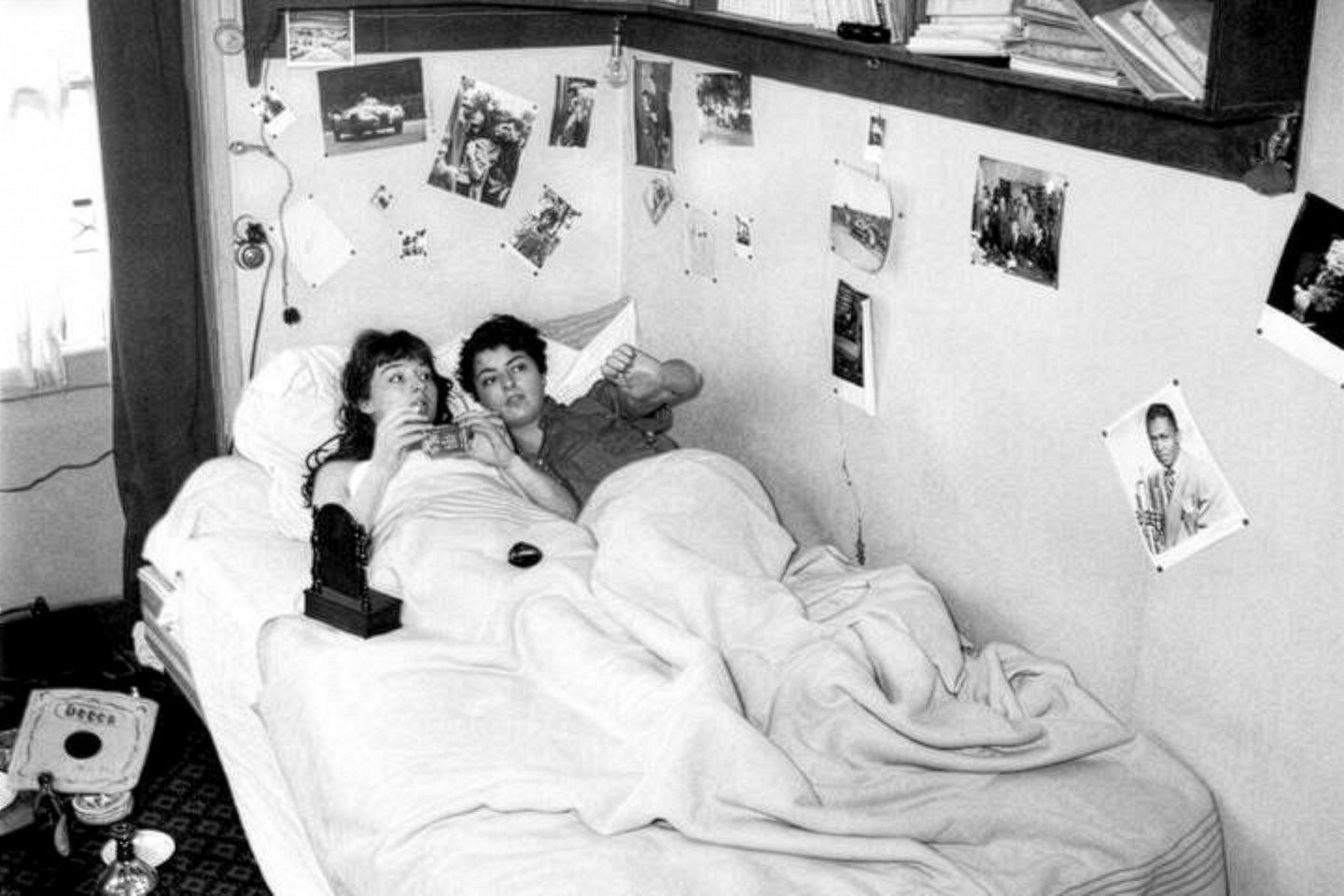
During the German Occupation, the hotel became an underground haven of thought and resistance. Jean-Paul Sartre and Simone de Beauvoir made it their headquarters, drawn as much by its warmth, thanks to discreet black-market coal, as by its atmosphere of intellectual freedom.
Post-war, the narrative shifted from philosophy to rhythm. The Louisiane transformed into the unofficial headquarters of jazz in Europe. Miles Davis, John Coltrane and Bud Powell passed through its rooms, leaving behind something intangible yet unmistakable. It was here that Davis composed the haunting score for Ascenseur pour l’échafaud, watching rushes on repeat, turning solitude into sound.
Even contemporary cinema carries its echoes. Quentin Tarantino has cited the hotel’s labyrinthine corridors as inspiration for the kinetic tracking shots of Pulp Fiction, a testament to its cinematic aura.
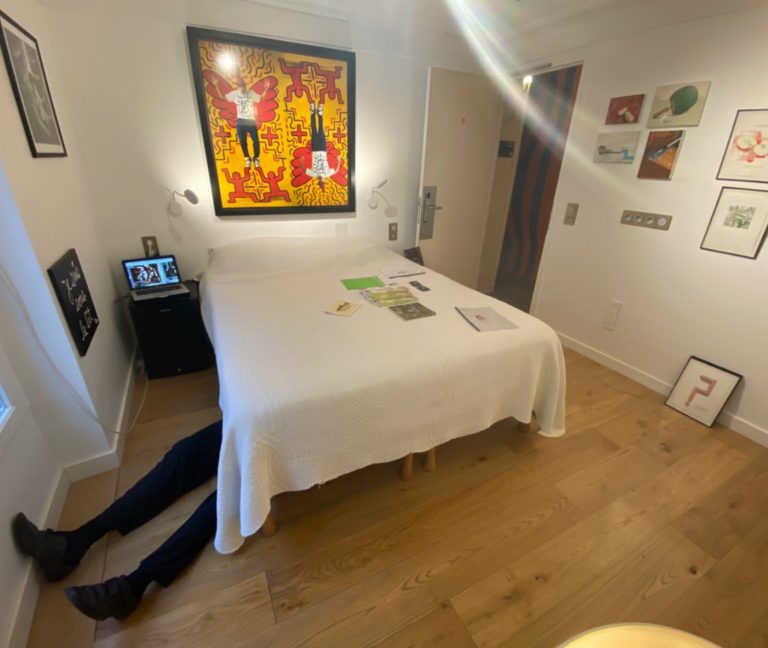
Today, under the direction of the Blanchot family’s fourth generation, La Louisiane stands as a rare form of resistance. In a Saint-Germain increasingly shaped by polished storefronts and algorithm-driven hospitality, the hotel refuses to conform. No automation, no performative luxury, just human presence, intuition, and a kind of cultural memory you can’t replicate.
Here, the reception desk still speaks, not scripts, but stories. The staff, often drawn from Paris’s intellectual circles, guide guests as temporary residents of a living city.
And perhaps that’s the point. La Louisiane offers something far more valuable than price positioning: access. Not just to one of the most coveted neighborhoods in Paris, but to a version of it that still feels real, unfiltered, unpolished, unmistakably alive. Because in this hyper-designed hotels era and global sameness, Hôtel La Louisiane doesn’t try to impress, it endures. It reminds us: some places don’t just host history, they continue writing it.