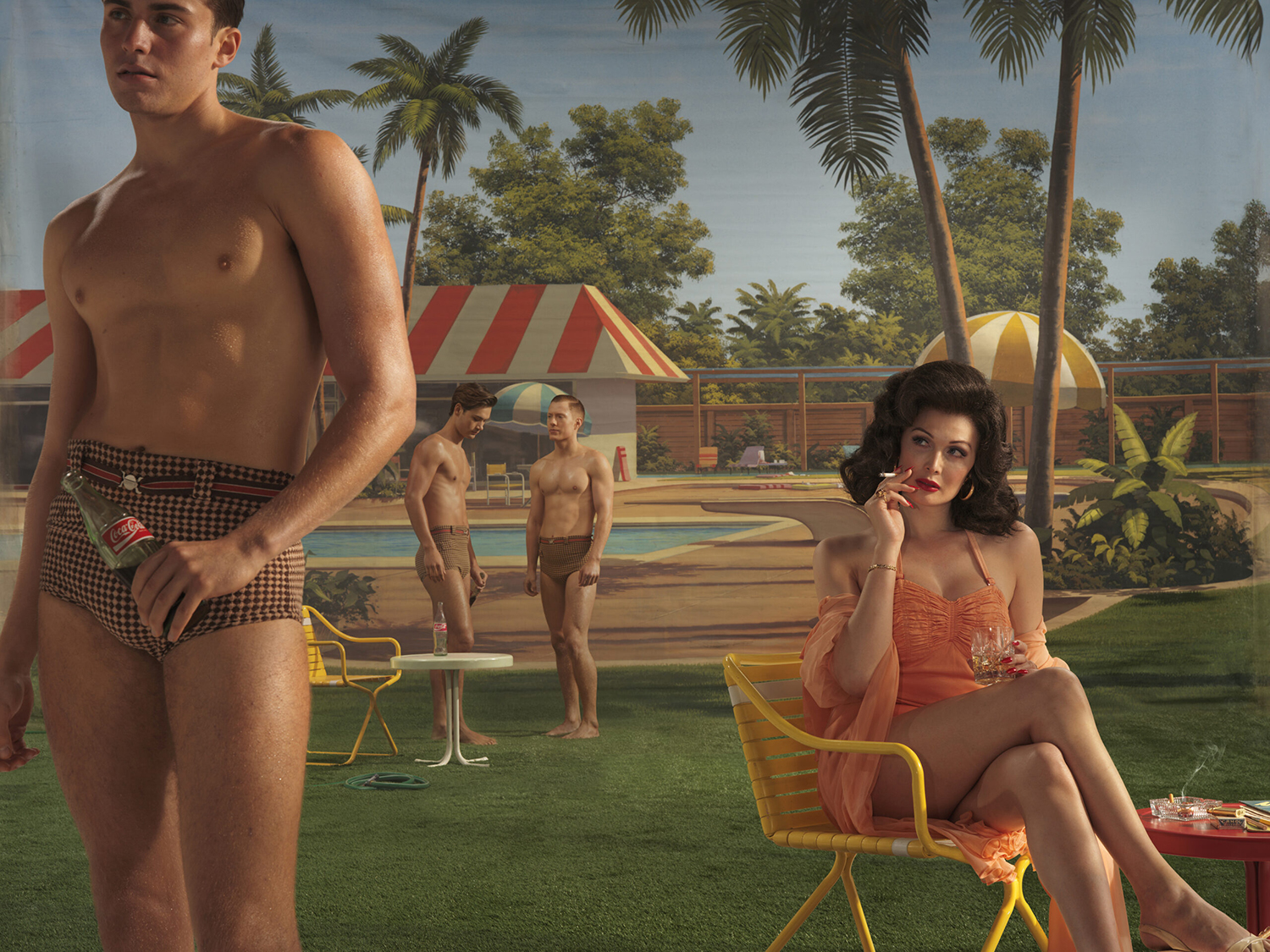
Julia Fullerton-Batten, Palm Springs
by Alexandra I. Mas
In Venice, the second edition of STATIC CINEMA looks beyond the familiar divide between photography and film, asking instead what happens in the elusive territory where the still image meets the moving one.
There is something inherently contradictory about a photograph. It fixes a fraction of time, yet almost inevitably asks us to imagine what happened before, and what will happen next.
Cinema performs the opposite illusion. What appears to us as continuous movement is, in fact, constructed from a succession of arrested images.
It is within this tension that STATIC CINEMA, curated by Danila Tkachenko and Slavica Veselinović, returns to Venice for its second edition, from 3 to 24 September 2026 at San Pietro – Cantieri del Contemporaneo. Organised and produced by ART-ICON, the exhibition brings together established international figures and a younger generation of photographers and visual artists, moving between documentary photography, staged images, portraiture, conceptual practice, cinema and projection.
At the entrance, the artist group ±Komma provides an almost literal introduction to the question. Bullets appear suspended in motion: trajectory has become material, an event interrupted somewhere between action and consequence. What remains of movement once it has been fixed? And what does the mind reconstruct when the image itself can go no further?
These questions reverberate throughout the exhibition.
For Tkachenko and Veselinović, photography and cinema are not autonomous languages so much as interconnected conditions of the image. A photograph may contain the possibility of continuation; a cinematic frame, removed from its sequence, can suddenly acquire the stillness and autonomy of a photograph. The image becomes both evidence that something happened and a reality in its own right.
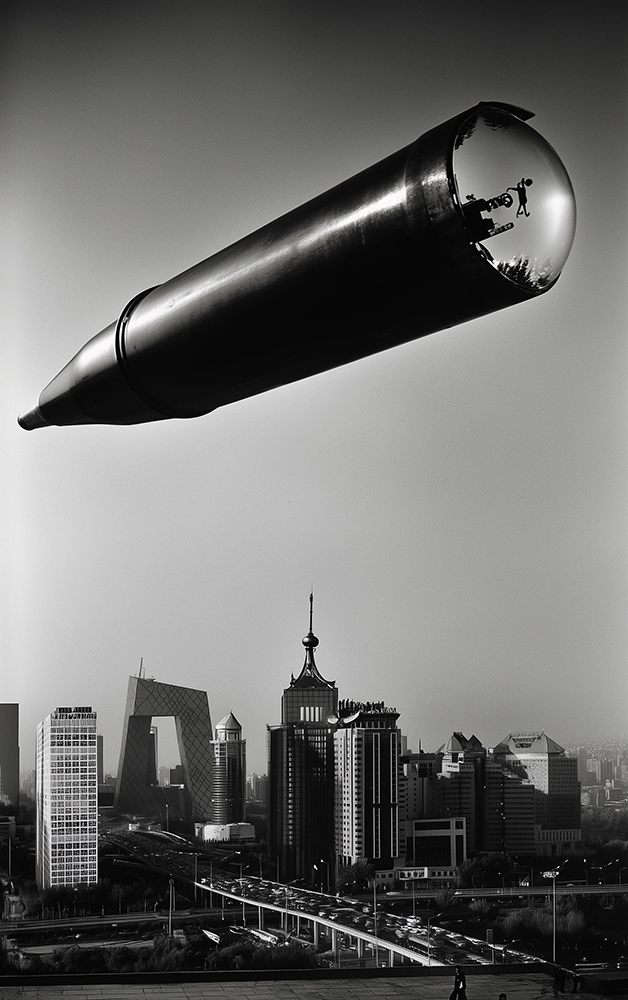
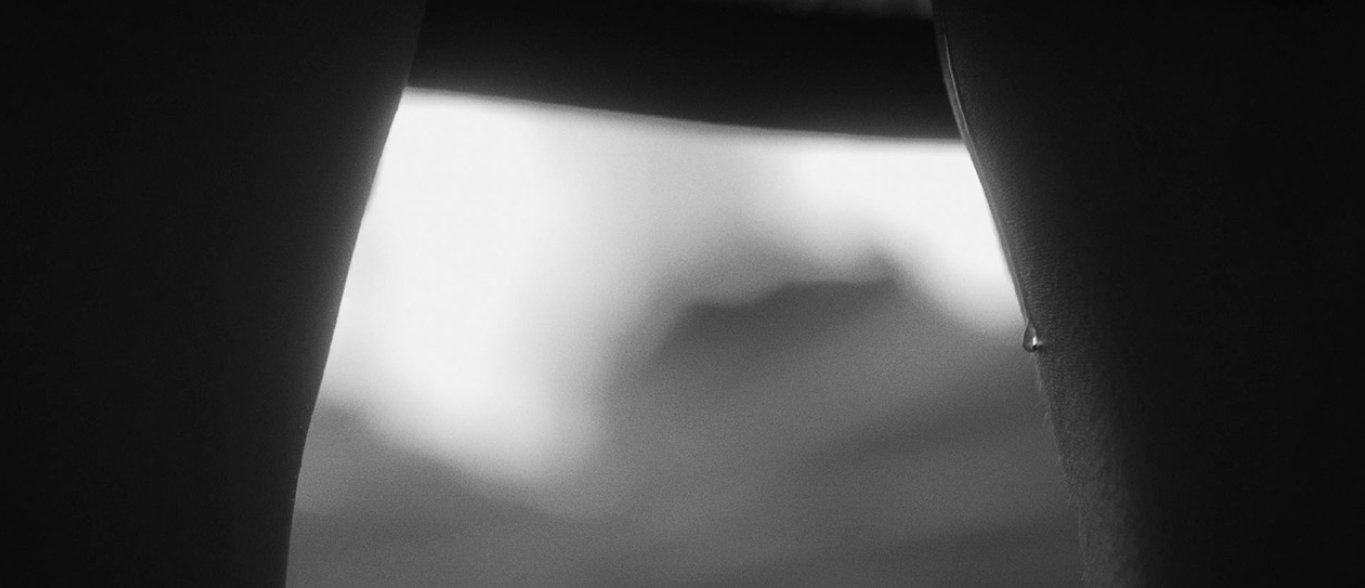
Lars von Trier, Tear
This becomes particularly explicit in the presence of Lars von Trier. Stills extracted from his films are removed from their original cinematic progression and presented as independent works. Without the frames that precede and follow them, movement disappears, but narrative does not. If anything, the interruption forces the spectator to invent it.
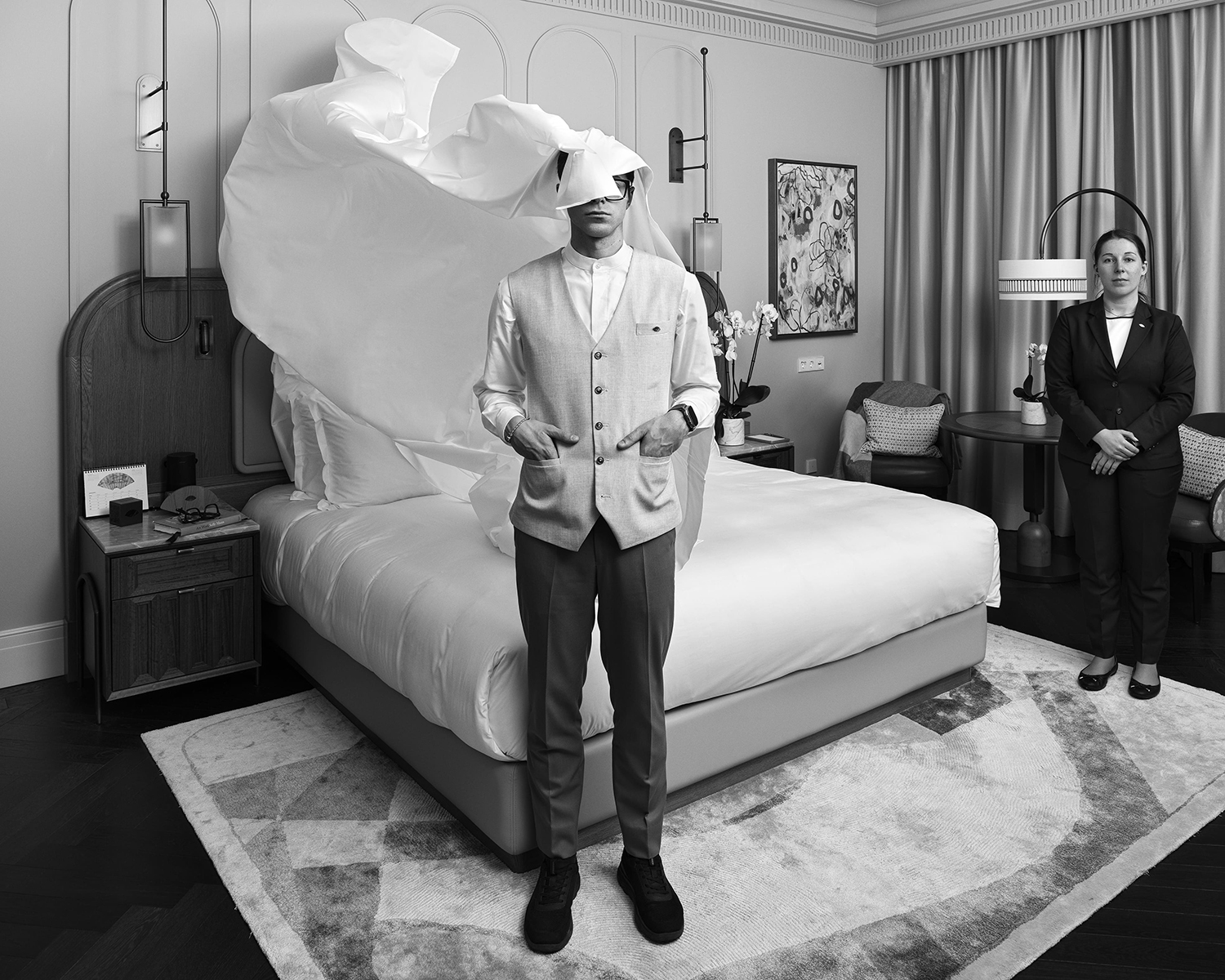
Julia Fullerton-Batten (see cover) approaches the border from the opposite direction. Her carefully constructed photographs carry an unmistakably cinematic tension, suspended between reality, memory and fiction. The still image begins to behave like an unfinished scene.
The exhibition also turns towards memory — personal, cultural and historical.
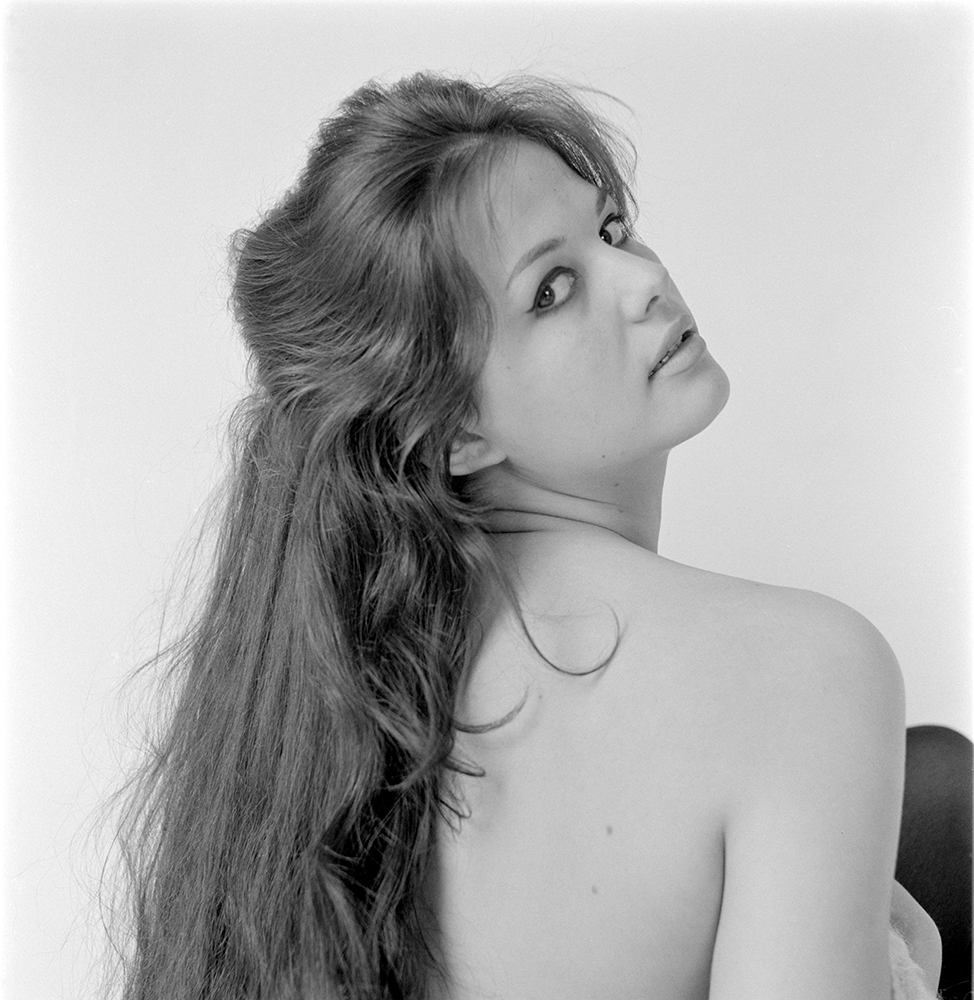
Venetian photographer Graziano Arici has spent decades documenting the city’s cultural and cinematic life, building an archive of thousands of portraits of artists, actors and directors, often away from the formality of the official pose. Here, a portrait of Claudia Cardinale becomes more than an image of an actress: it belongs to a visual memory of Venice itself and to the city’s long conversation with cinema.
Graziano Arici, Claudia Cardinale in Rome, 1958
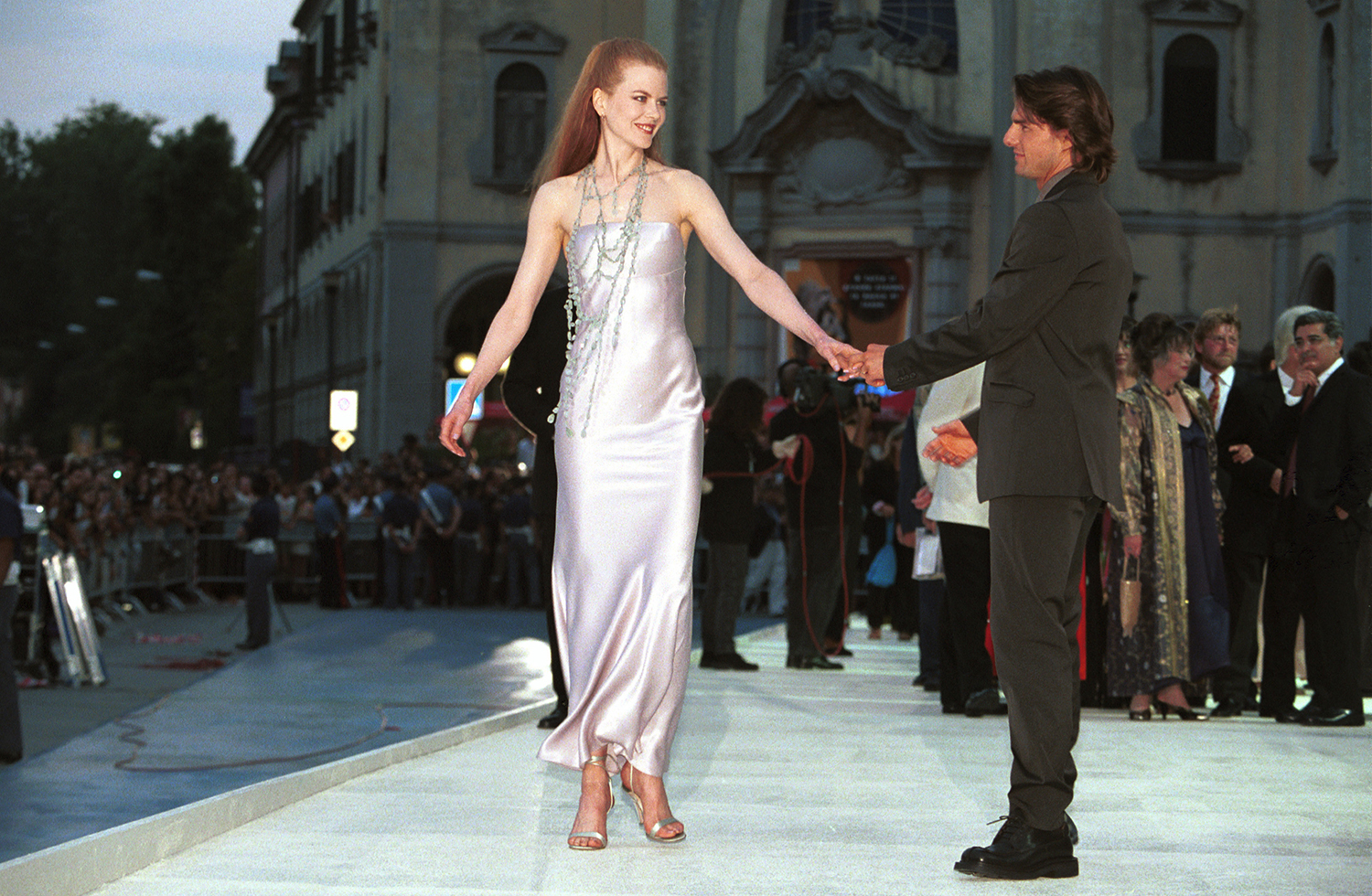
Graziano Arici, Tom Cruise and Nicole Kidman, mostra del cinema 1999
For British photographer Natalie Curtis, time enters the photograph differently. A 2015 image made at The White Hotel in Manchester is titled 03:26, M3 7LW: the exact time at which it was taken paired with the postcode of the location. The coordinates of an ordinary documentary record become part of the work, preserving not simply a place but the trace of an experience lived there.
2026.01.17, Mandarin Oriental
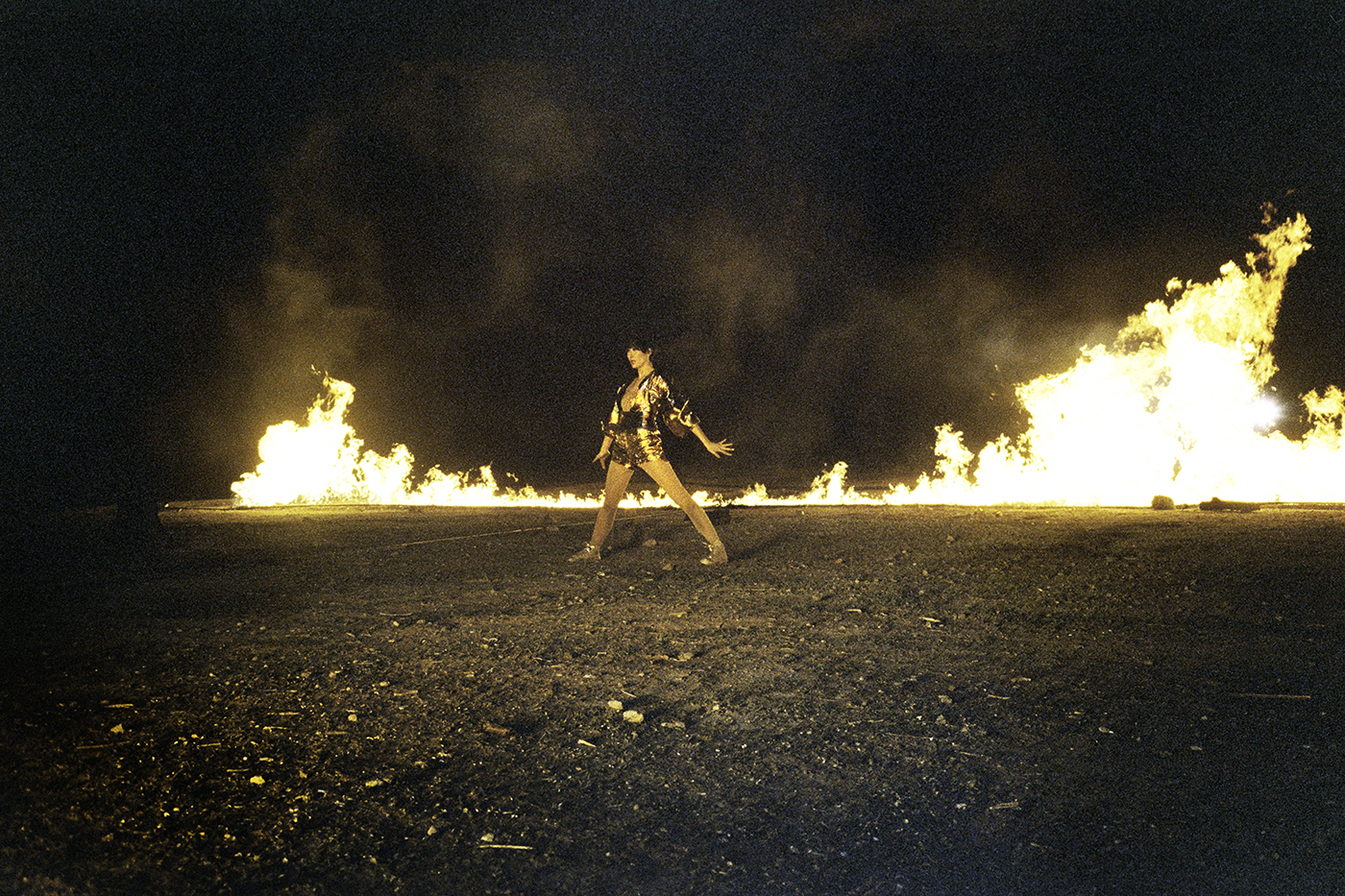
Nick Zinner, Flames, California 2006
Nick Zinner, photographer, musician and guitarist of the Yeah Yeah Yeahs, turns instead towards the unstable rhythm of life on the road. Concerts, crowds, urban encounters and everyday observations accumulate into a visual diary poised somewhere between music culture and intimate documentary photography.
Across these very different practices, STATIC CINEMA is less concerned with establishing where photography ends and cinema begins than with dismantling the usefulness of the boundary itself.
An image can testify and invent. It can document an instant while suggesting an entire narrative beyond its edges. It can be motion arrested, or stillness waiting to move.
Perhaps this is where the title reveals its quiet paradox. Cinema was never entirely moving, and photography was never entirely still.
What lies between them is the spectator — and our persistent instinct to complete what the image leaves unfinished.
Nick Zinner, Flames, California 2006
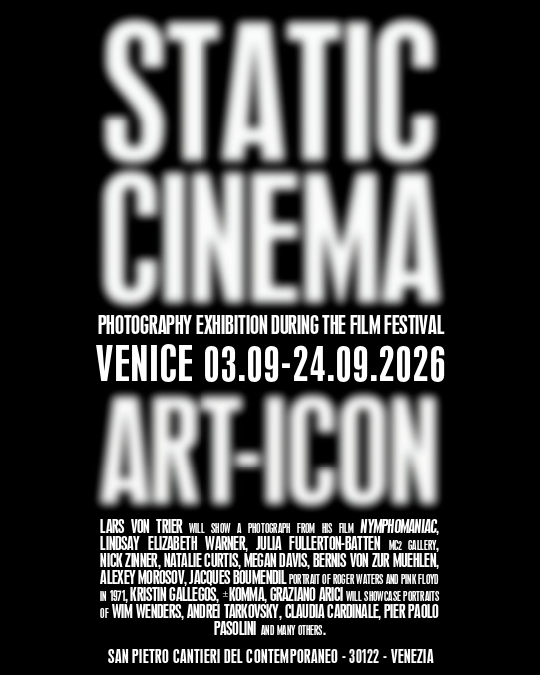
STATIC CINEMA 2026
3–24 September 2026
Opening: 3 September, 6.30 pm
San Pietro – Cantieri del Contemporaneo
Castello 71, Campo San Pietro, Venice
Curated by Danila Tkachenko and Slavica Veselinović
Organised and produced by ART-ICON.