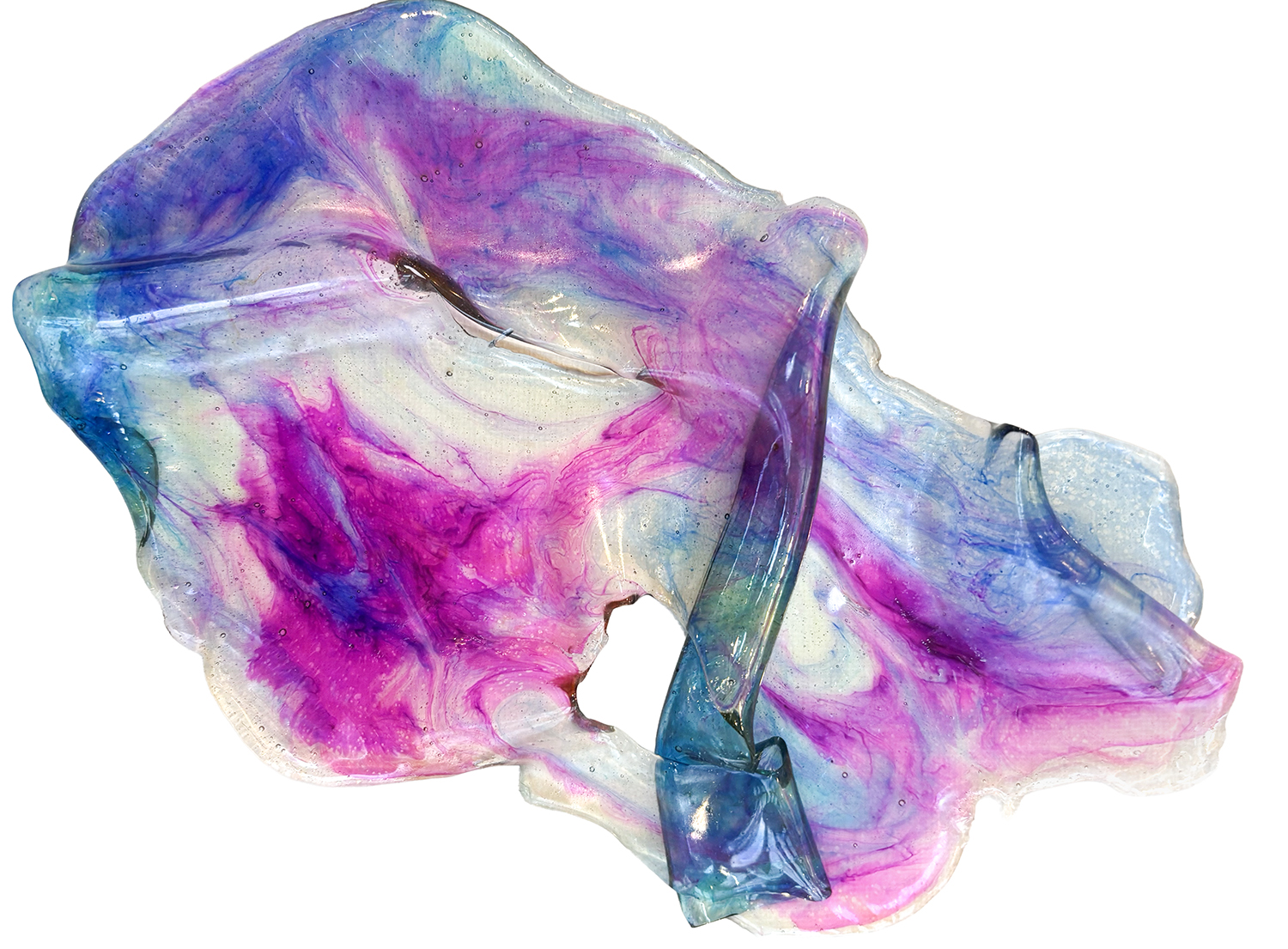
Marcy AXELROD, Resonance
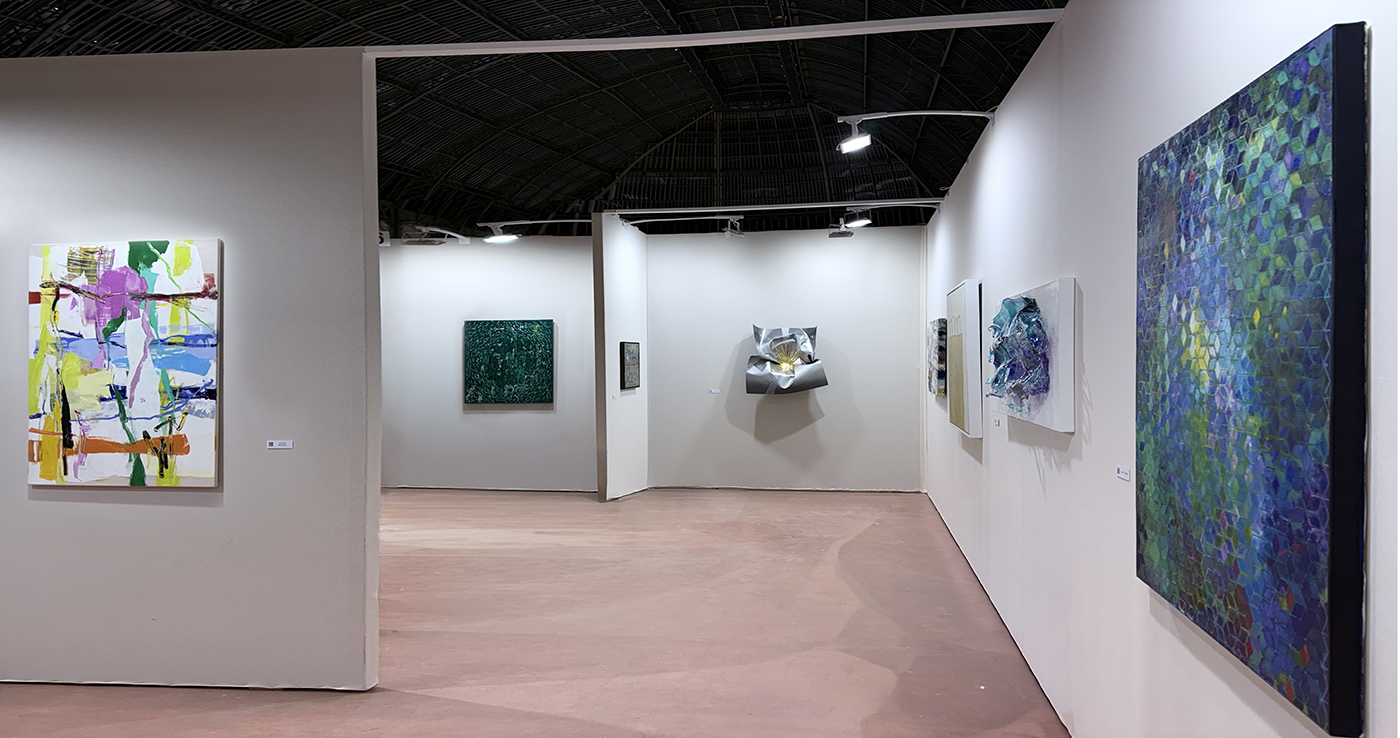
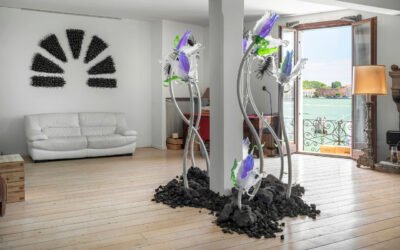
in order from the left : Annette Werndl, Natalie Vassil, Conrad Schirmann, Alexandra Mas, Jean-Yu Chen, ART CAPITAL, Salon Comparisons , the Abstract Expressionism group, Le Grand Palais
Written by Alexandra Touchard
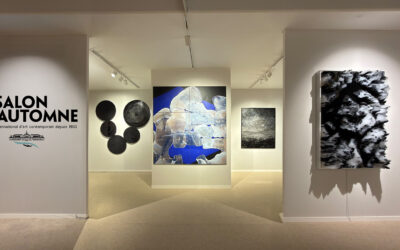
Beneath the monumental glass roof of the Grand Palais, the Salon Comparaisons of Art Capital offers each year a vibrant dialogue between contemporary artistic movements. This year it will take place from february the 12th to the 15th. Among them, the Abstract Expressionism group stands out for the strength of its collective energy and the diversity of visual languages it brings together. Here, abstraction is never cold or purely conceptual: it is permeated by the body, emotion, and vital impulse.
Entering the space of the Abstract Expressionism group means accepting the loss of figurative landmarks in order to be guided instead by color, rhythm, and materiality. The works converse with one another like inner pulses, revealing singular universes united by the same necessity: to express what cannot be articulated otherwise.
What strikes the viewer immediately is the presence of gesture. Each work seems to retain the memory of the movement that gave it birth—splashes, layers, erasures, drips. The eye moves freely, drawn into compositions that are at times explosive, at times meditative. Far from any aesthetic uniformity, the group embraces an affirmed plurality: lyrical abstraction, chromatic explorations, tensions between chaos and harmony.
Echoing the very history of abstract expressionism, these artists place the act of creating at the center of their practice. The canvas becomes a field of experience, a site of confrontation between the intimate and the universal. Some works evoke inner landscapes; others resonate with the fractures of the contemporary world, without ever slipping into literal illustration.
Here, the Salon Comparaisons fully earns its name: it is through the juxtaposition of works that the richness of the group is revealed. Each artist asserts a distinct voice while participating in a collective dynamic that gives the ensemble a shared breath. This is less a manifesto than a constellation, in which each work illuminates the others.
Within the majestic setting of the Grand Palais, these vibrant paintings remind us that abstraction remains a profoundly contemporary language. It invites us to feel before we understand, to surrender to pure sensation. The Abstract Expressionism group thus offers a sensory, almost physical experience, in which the gaze becomes a site of passage between artist and viewer.
At a time when images are often saturated with discourse, these works offer a space of silence and intensity—a suspended moment in which painting recovers its original power: that of reaching us directly.
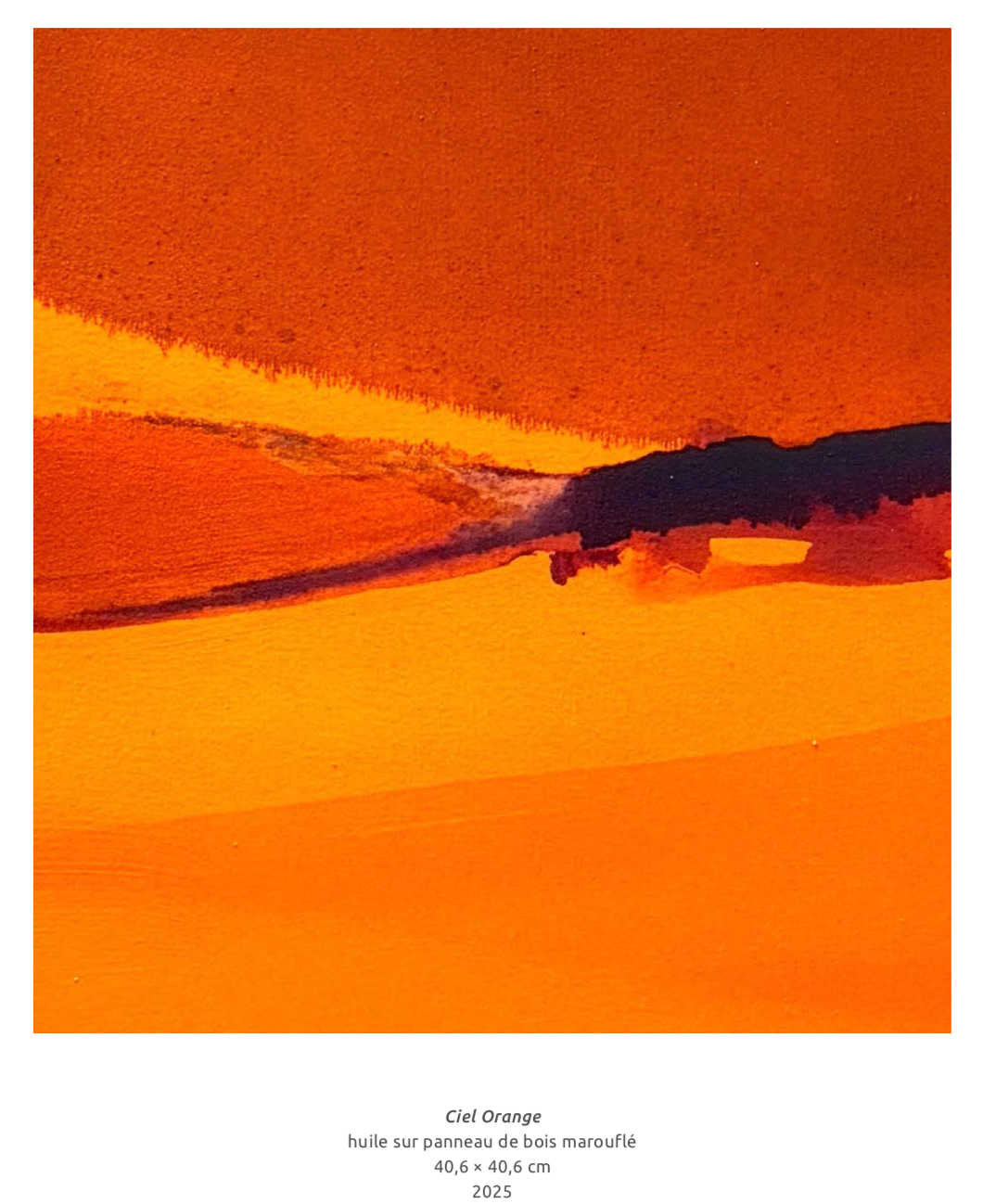
Ciel Orange by Katharine Dufault
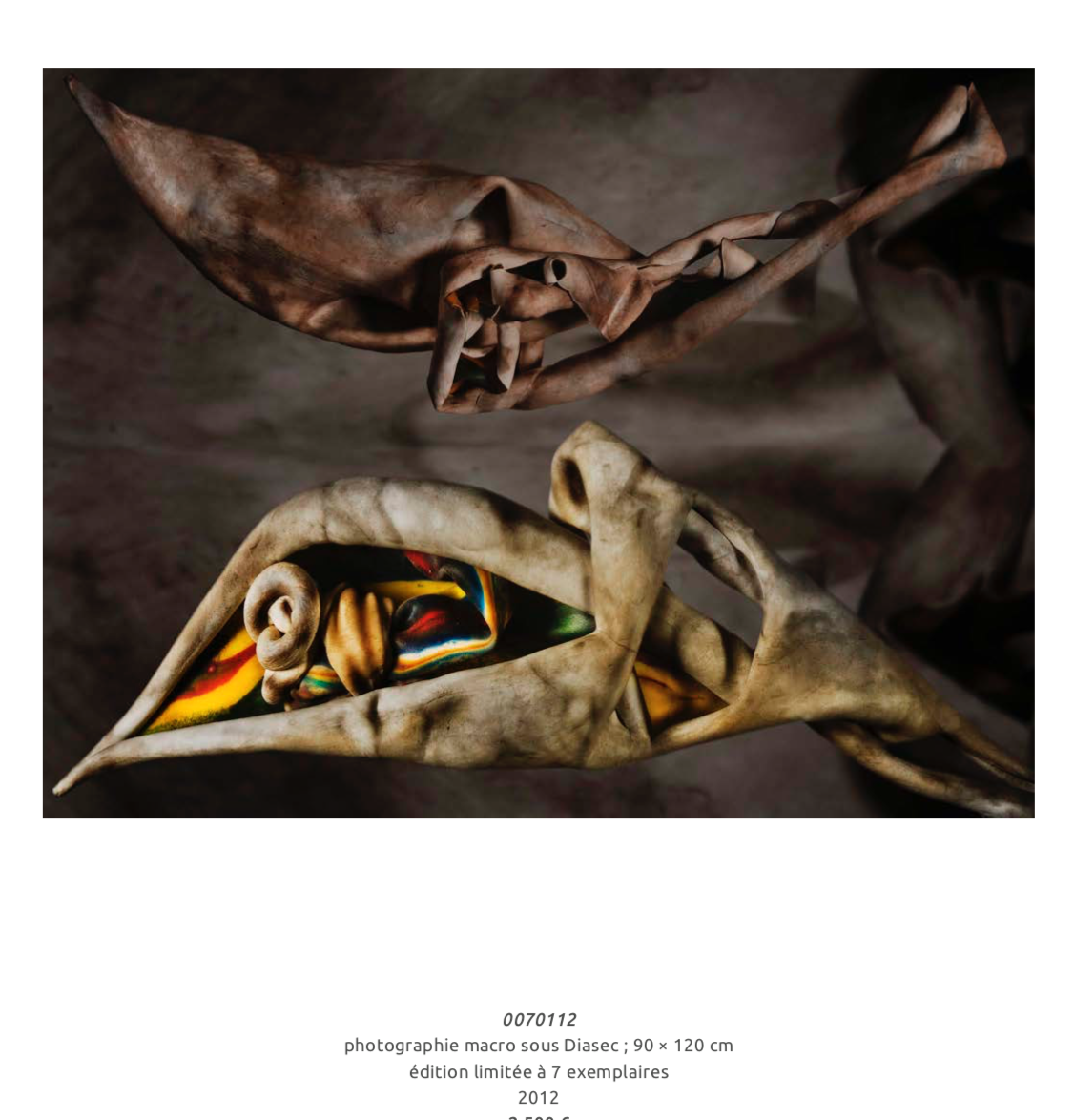
0070112 by François Pohu-Lefèvre
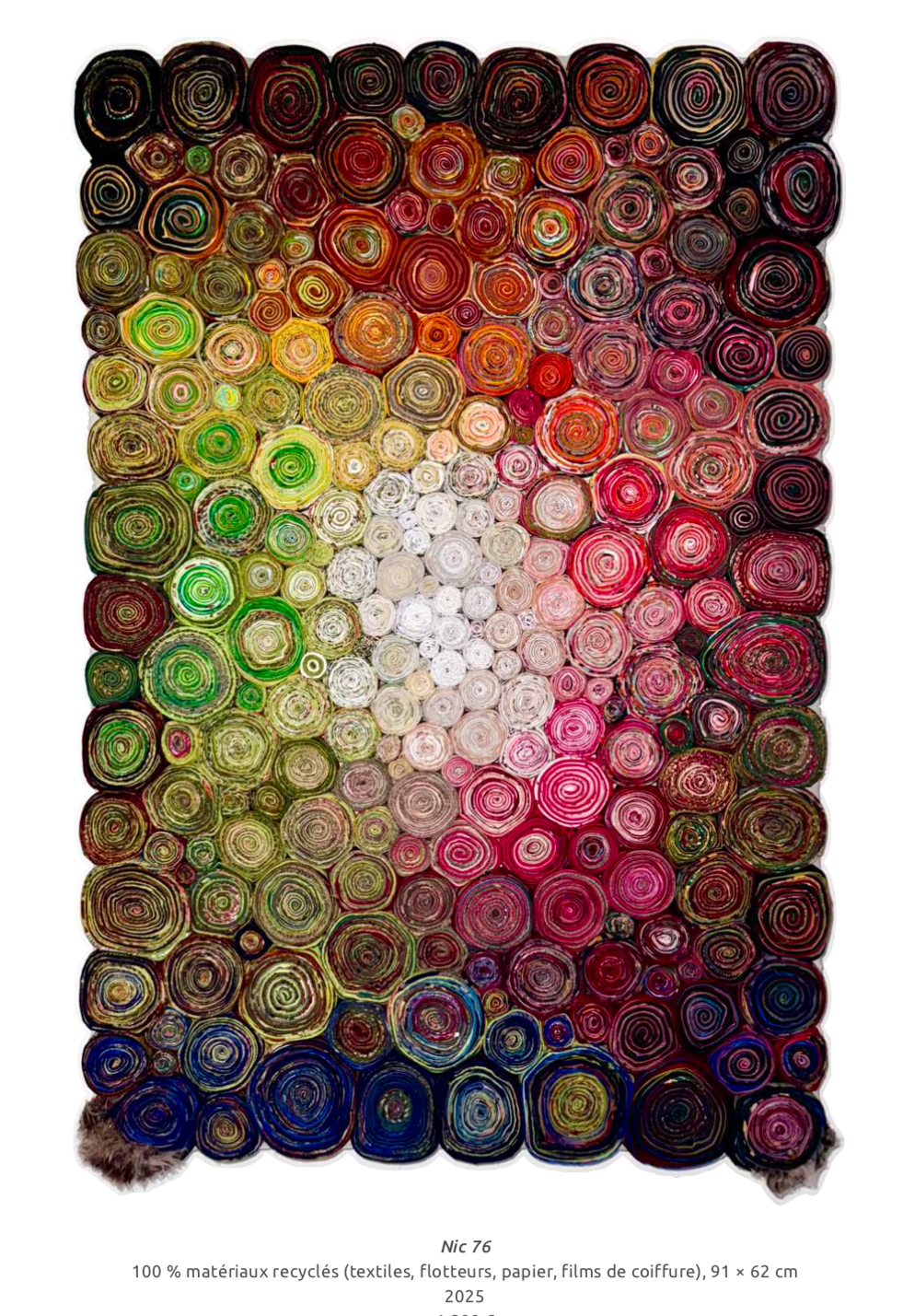
Nic 76 by Francesca Busca
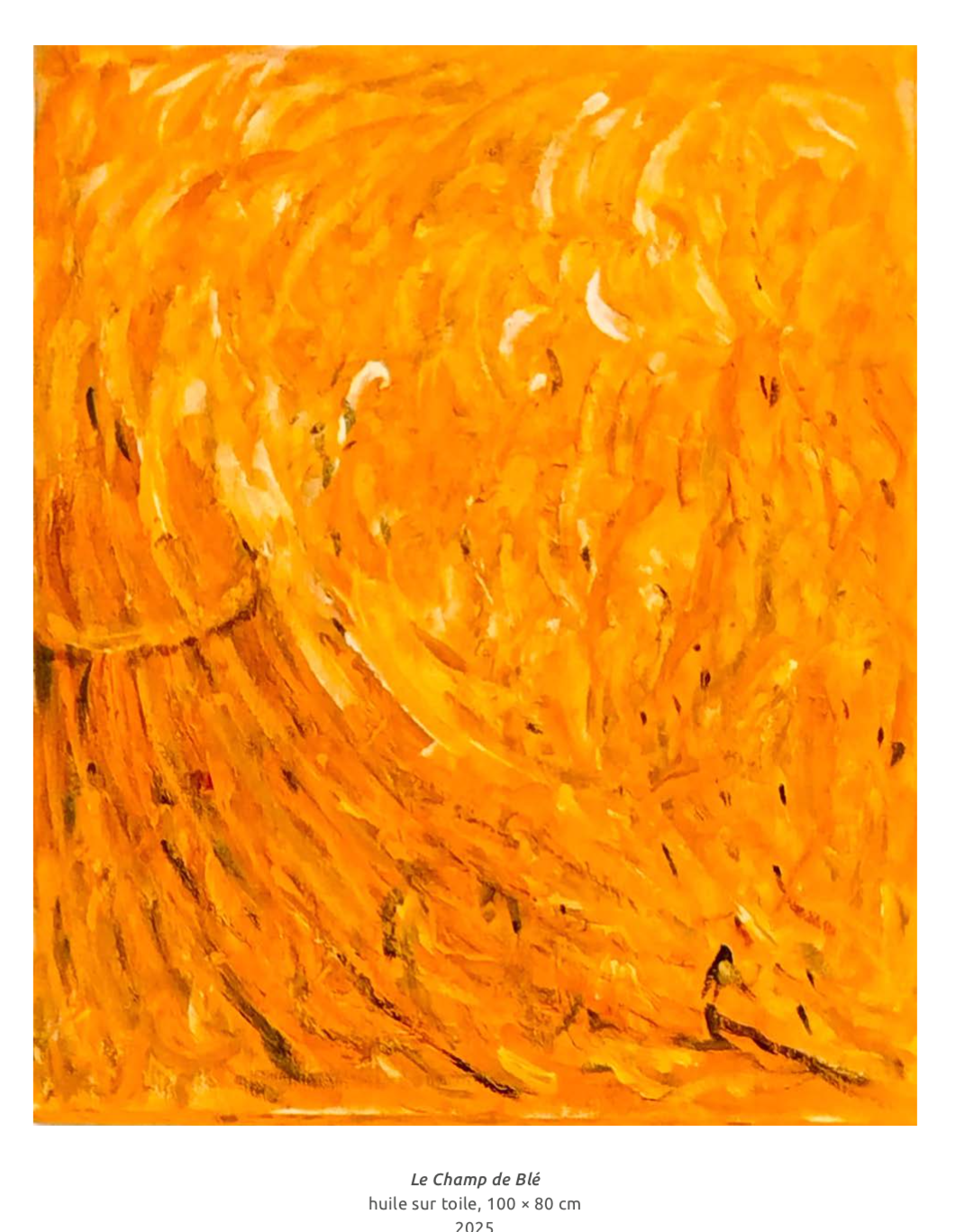
Le Champ de Blé by Sergio Boldrin
Sarah Olson — At the Roots of the Living
In Sarah Olson’s work, painting becomes a territory of visceral exploration, poised between the biological and the cosmic. In Root, ambiguity is fully embraced: vegetal root, inner anchoring, matter expanding as much as it decomposes. The work resists any stable classification, oscillating between abstraction and organic figuration, between flesh and landscape.
The pictorial surface is dense, almost carnal. A deep carmine red, close to the color of blood, engages in dialogue with acidic green accents, producing a visual shock in which life seems simultaneously to emerge and to dissolve. The gesture is broad, expressive, at times feverish; the raw energy of the mark enters into tension with the thickness of the material. Nothing here is decorative—everything belongs to a vital process.
Defining herself as an abstract surrealist, Sarah Olson rejects the notion of a purely formal gesture. Her works take root in the body—not as a fixed entity, but as a transitional stage within a long evolutionary chain. The viewer is invited to lose themselves, to navigate these organic swirls that evoke both the intimate and the universal. Painting becomes a metaphor for life itself: fragile, unstable, and in perpetual transformation.
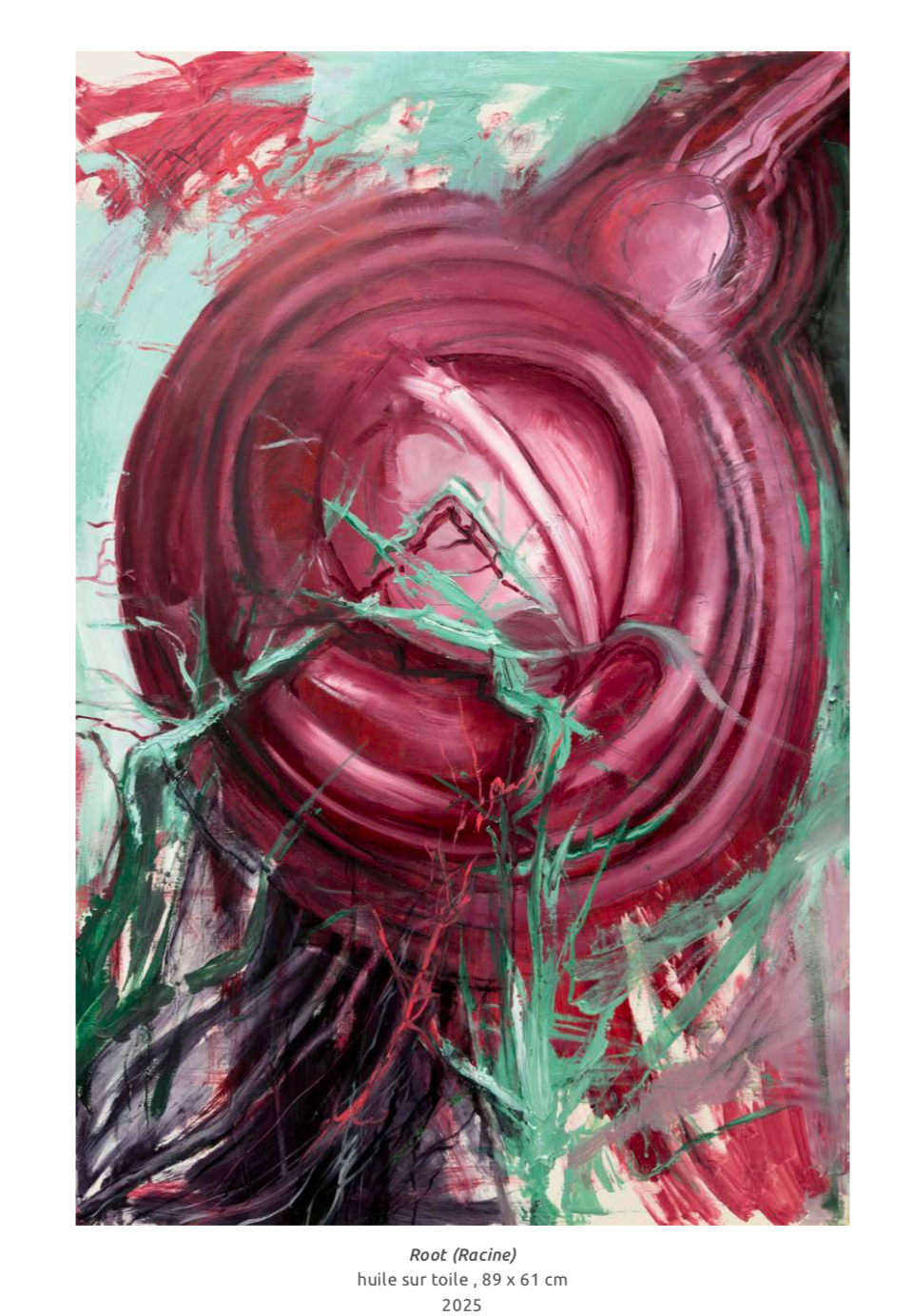
Root by Sarah Olson
Alexandra Mas — Folding Space, Revealing Time
With Alexandra Mas, abstract expressionism leaves the canvas to inscribe itself within the very material of the world. Using simple sheets of aluminum—folded, crumpled, compressed by hand—the artist brings forth powerful sculptural forms, situated at the threshold between painting and sculpture.
In The Fold of the Universe, metal becomes a cosmic surface. Marked by the weight of the body and the pressure of tools, the material rises vertically, escaping the plane to occupy space. The folds trace cartographies of time and emotion, where the violence of the gesture coexists with rigorous control. Nothing is accidental: each crease is intentional, each tension opens the material toward infinity.
The insertion of 18- and 24-karat gold leaf functions as condensed light, almost sacred in nature. It summons both Byzantine imagery and celestial cartography. Explosion and implosion coexist, evoking supernovae and black holes, stellar cores and voids. The work thus reaches the threshold between physics and metaphysics, abolishing the distance between the infinitely large and the human gesture.
Mounted on the wall, the sculpture takes on the appearance of a contemporary icon—both object and image, wound and light. In Alexandra Mas’s work, abstraction becomes a spatial language, in which the fold reveals not only matter, but time itself.
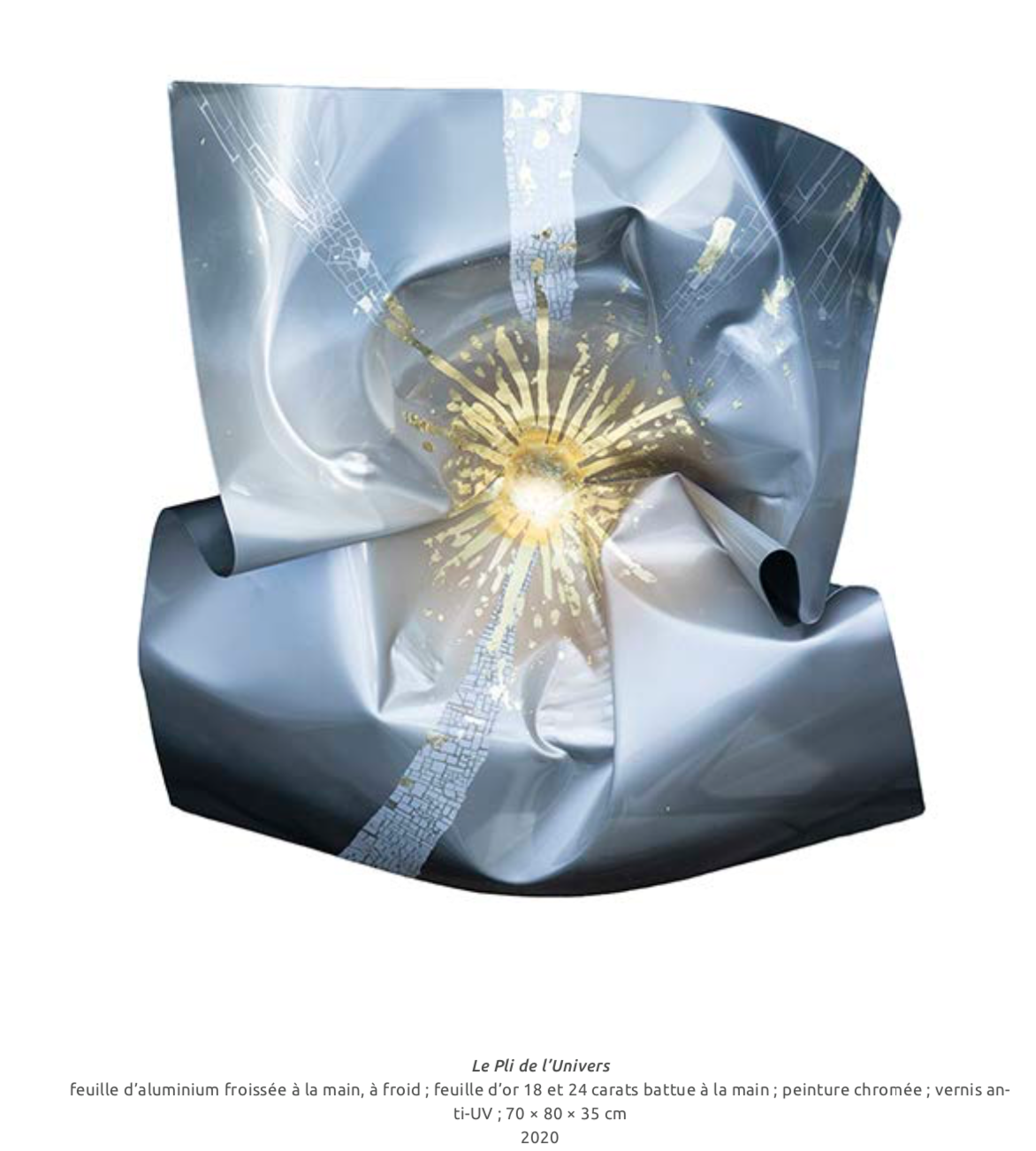
Le Pli de l’Univers by Alexandra Mas
Jean-Yu Chen — Rigor, Rhythm, and Anticipation
With Jean-Yu Chen, abstract expressionism unfolds within a field of controlled tension, where the spontaneity of gesture is in constant dialogue with a rigorously structured underlying framework. Look Ahead I, an emblematic work presented at the Salon Comparaisons, fully embodies this dialectic between control and freedom.
The first painting in the Music Lessons series, Look Ahead I translates a fundamental musical principle into pictorial space: attention to what is coming, anticipation of the next movement, mastery of tempo. The composition is organized around a hexagonal grid, suggesting an almost architectural precision. Far from freezing the image, this structure acts as a silent score, supporting a dense and vibrant chromatic improvisation.
Saturated blues and greens dominate the surface, punctuated by bursts of yellow and red that disrupt the apparent balance. Color does not merely fill form; it challenges it, displaces it, throws it into crisis. The eye oscillates between sensory immersion and a constant reminder of the motif’s flatness. This oscillation becomes the true rhythm of the work.
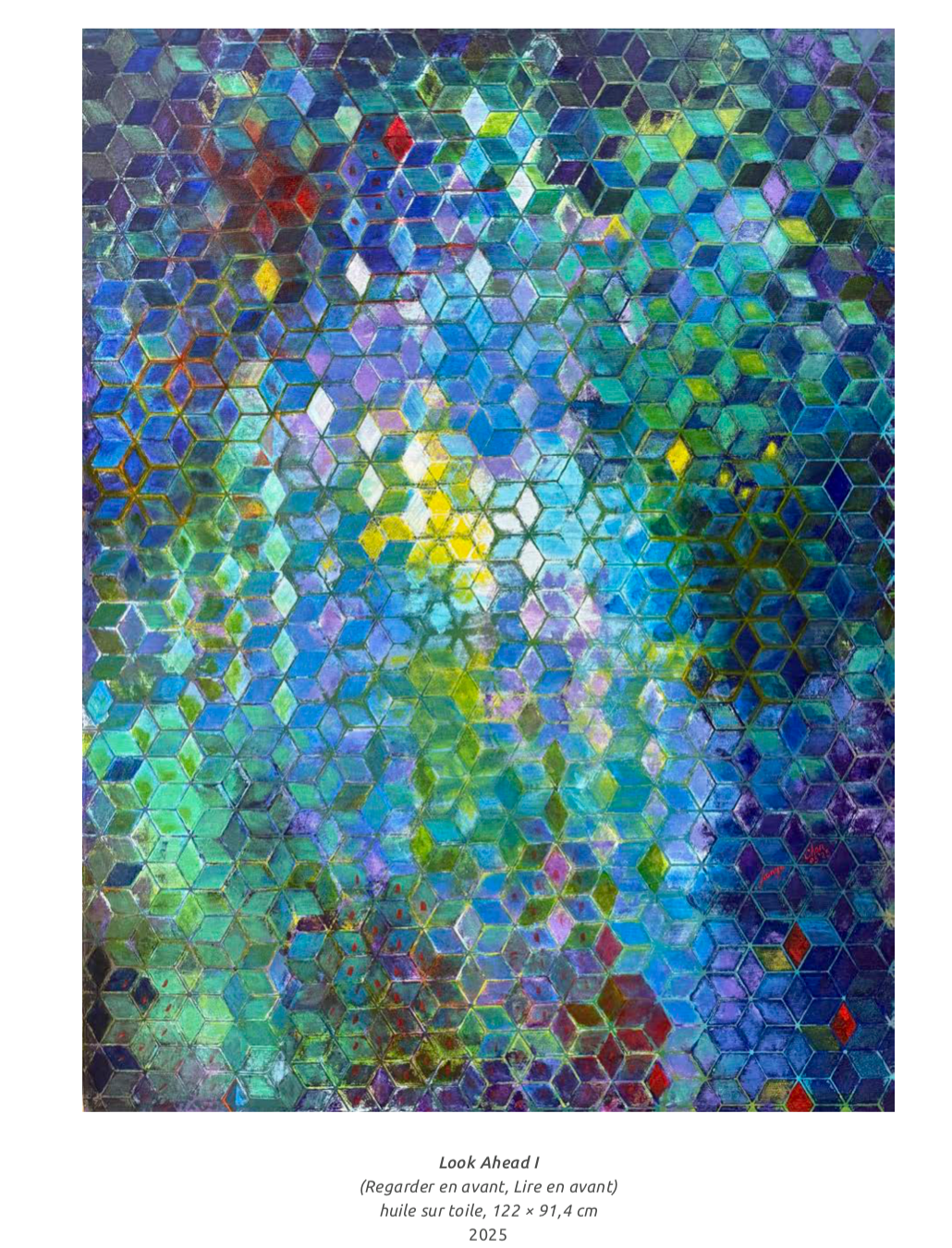
Look Ahead I by Jean-Yu Chen
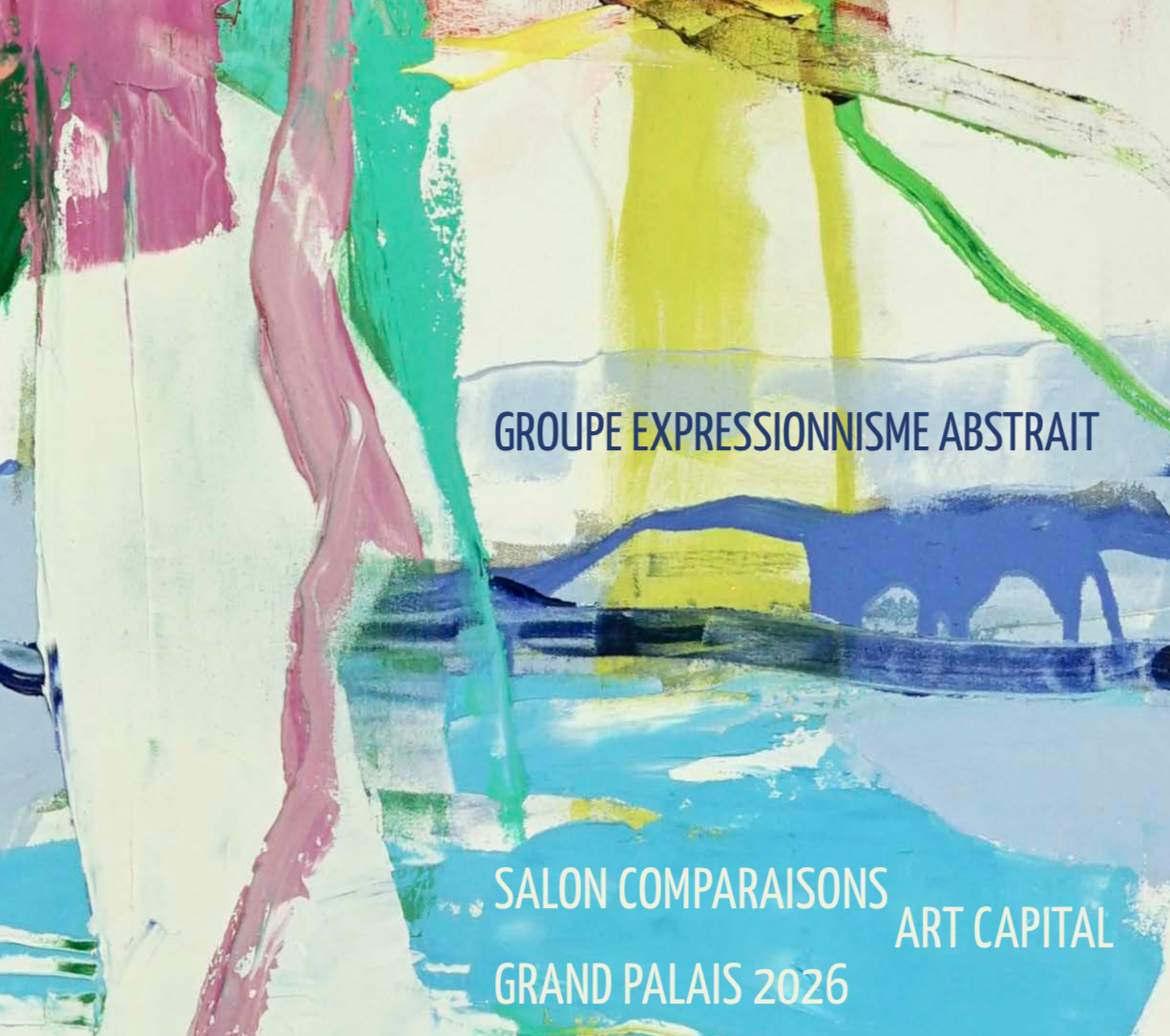
on the catalog cover Annette WERNDL, detail