G.Wen In collaboration with Espace_L Ga
October 14 – December 6, 2025
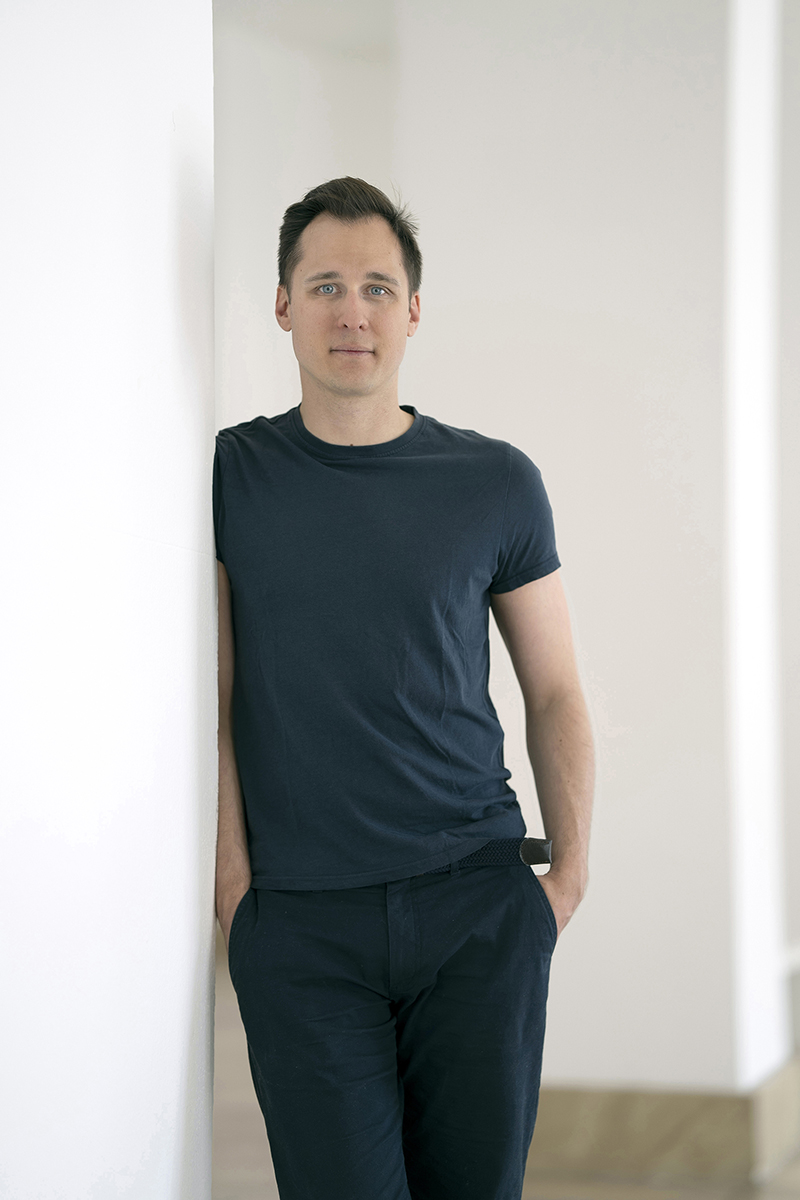
Julien Spiewak’s affair with photography and fashion is the kind of artistic fête that starts early and burns bright. At just fourteen, armed with his 24×36 film camera, he was already an insider, making his début at the iconic Jean-Paul Gaultier show at the Palais de la Porte Dorée in 1999. The draped, redefined, and finely enveloped body — frozen in a statuesque moment — was already his muse.
That early fascination blossomed. Until 2004, Spiewak cultivated a remarkable body of work from the industry’s epicenter, always with that signature à-côté perspective. He captured the backstage frenzy and podium drama, immortalizing the faces of couturiers, creative directors, and supermodels.

Julien Spiewak, Palais Princier de Monaco
The Pursuit of Beauty: A Moder
Art historian Marie Simon, drawing on Baudelaire’s Le Peintre de la vie moderne (1863), traces Spiewak’s early pursuit of Beauty’s core. His aesthetic stands in the late 19th century, a moment when photography disrupted the meaning of representation itself. The era carried deep ruptures: the fading of classical Western doctrine, the Nietzschean shift that displaced the sacred, and a renewed understanding of the contemporary realist nude. It was also the birth of Mode, announced by Charles Frederick Worth and the rise of the modern Couturier.
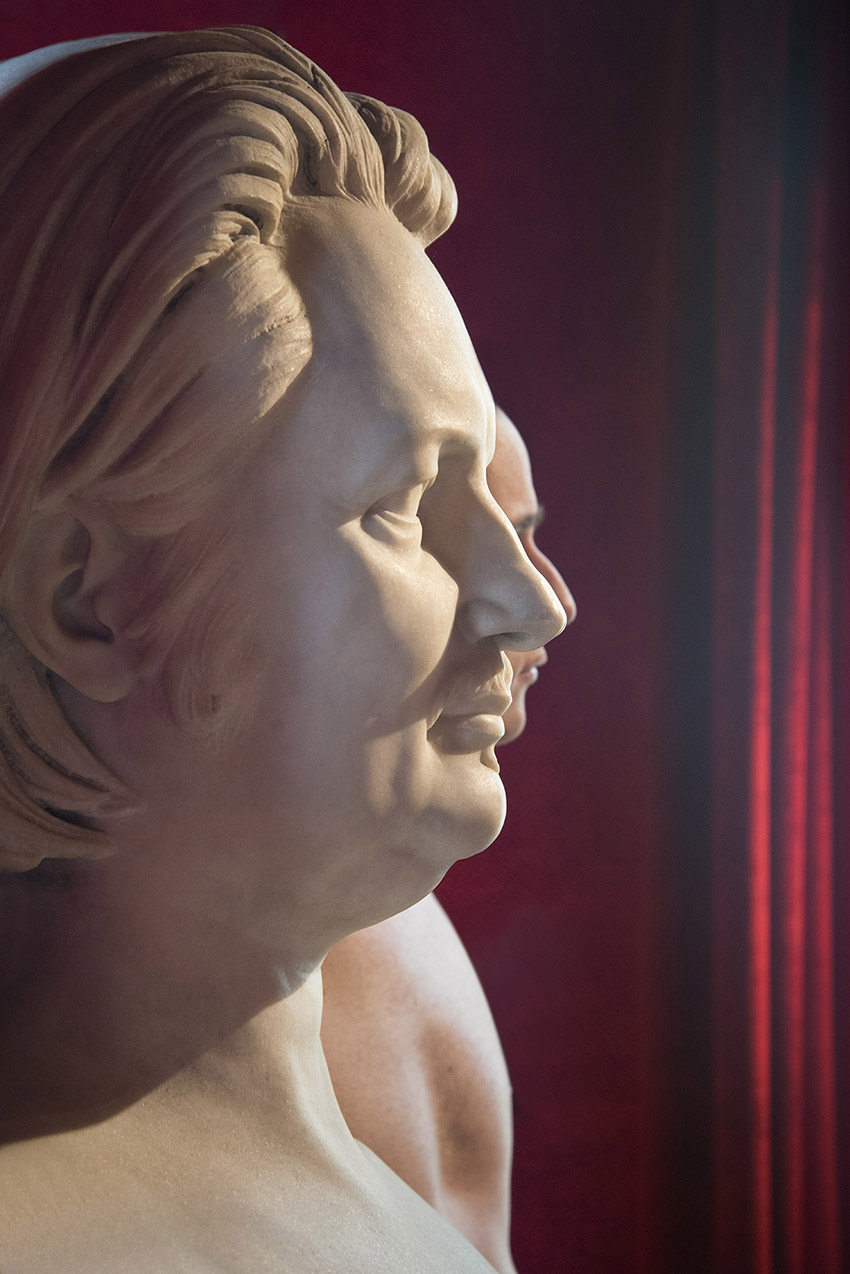
Julein Spiewak Maison de Balzac
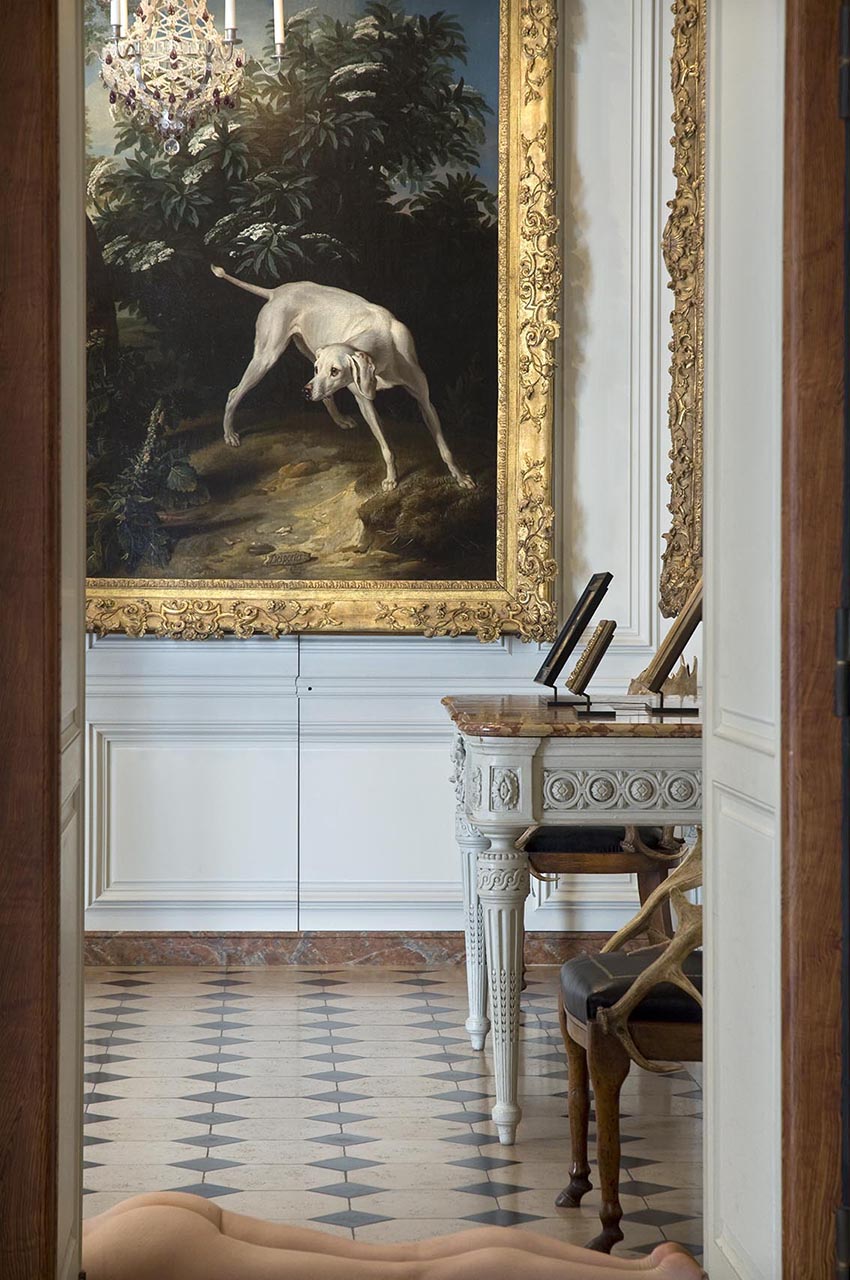
Julien Spiewak, Musée de la Chasse et de la nature
KIELLE 250 rue de Rivoli, Paris Ier | Métro Concorde | Monday to Saturday | 12:00 PM – 7:00 PM | https://kielleofficial.com | Insta & TikTok: @kielleparis
Corps de Style: Where Flesh Meets Fi
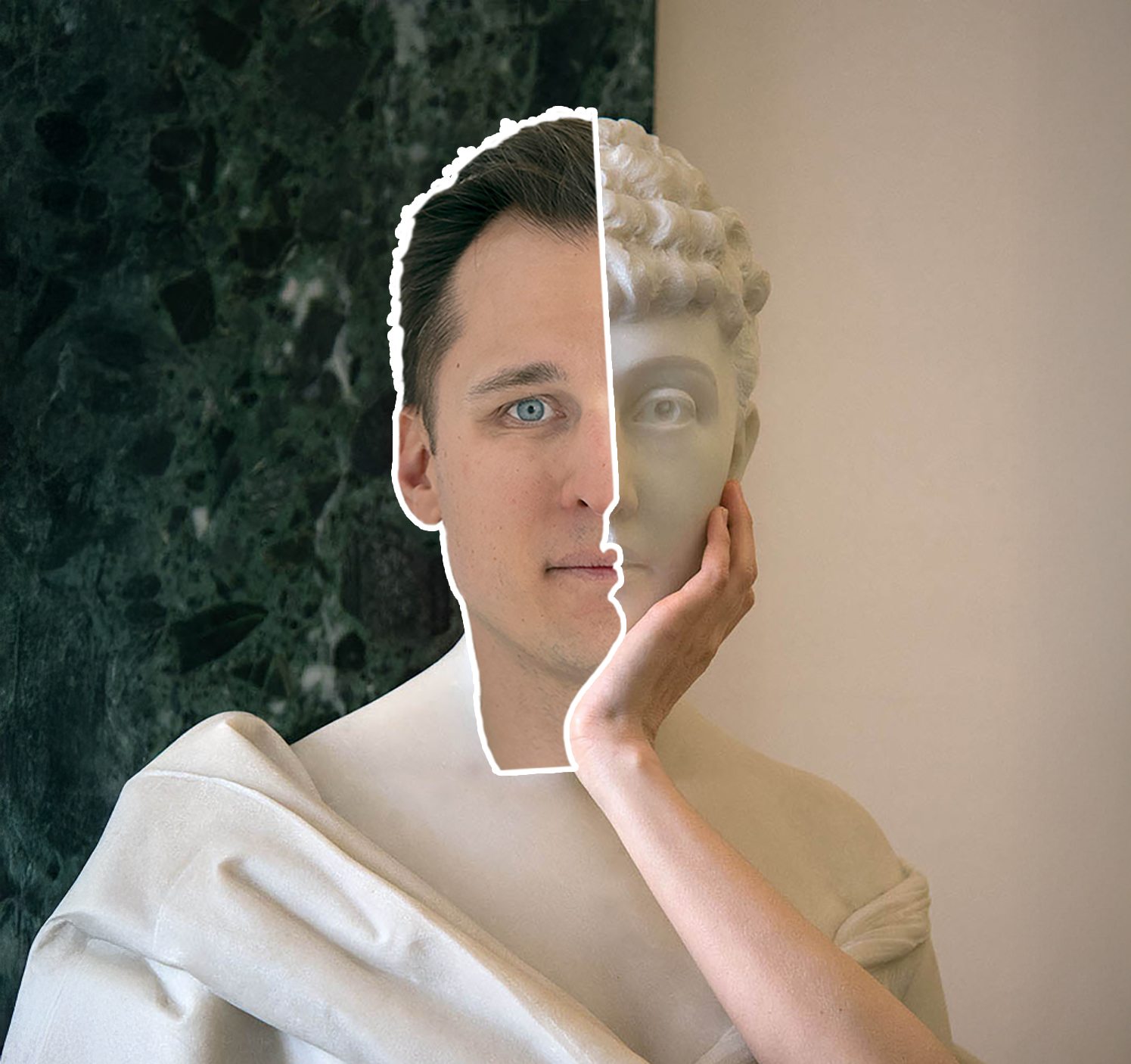
Following his studies in Photography at the Université Paris VIII, 2005 marked a radical pivot. Spiewak unveiled Corps de style (Style Bodies), a series that continues to define his career. Here, the fragmented, exposed body becomes an organic intrusion, a living element seamlessly woven into opulent, historically charged settings: palatial interiors, museums, and bourgeois private residences. His models glide into ancient artworks — among marble busts, silken fabrics, columns, and pilasters — embracing the curves of antique furniture and the arch of a Louis XV door frame.
Dominique Baqué aptly defines his work as “erudite and staged,” placing him alongside photographic heavyweights such as Karen Knorr, Olivier Richon, Sam Taylor-Wood, and Jeff Wall. His journey continues, most recently with a voluntary collaboration with the staff of the Hôtel Hermitage in Monte-Carlo. This exhibition at KIELLE showcases selected works from this remarkable series, alongside rare preparatory drawings and early portraits.