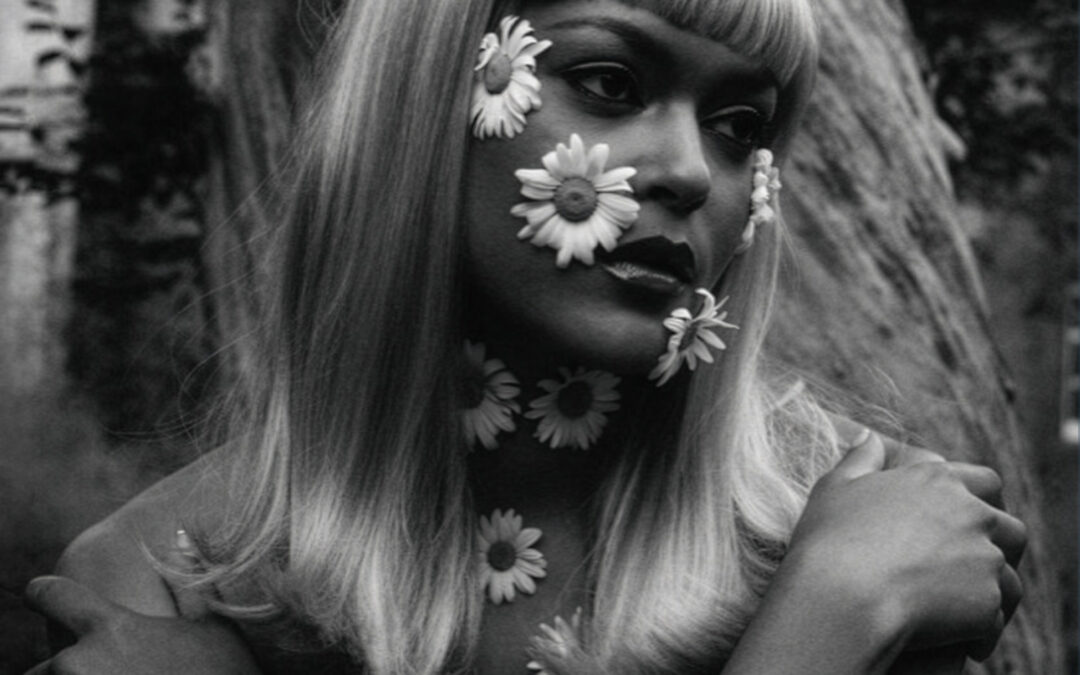
Vertige, Studio Harcourt
Vertige at Studio Harcourt, Paris, 2026, Philippe Guédon, Elka Leonard, Cécile Plaisance, and Stéphanie Renoma in an exhibition exploring the moment where desire becomes decision through photography and painting.
Vertige at Studio Harcourt, Paris, 2026, Philippe Guédon, Elka Leonard, Cécile Plaisance, and Stéphanie Renoma in an exhibition exploring the moment where desire becomes decision through photography and painting.
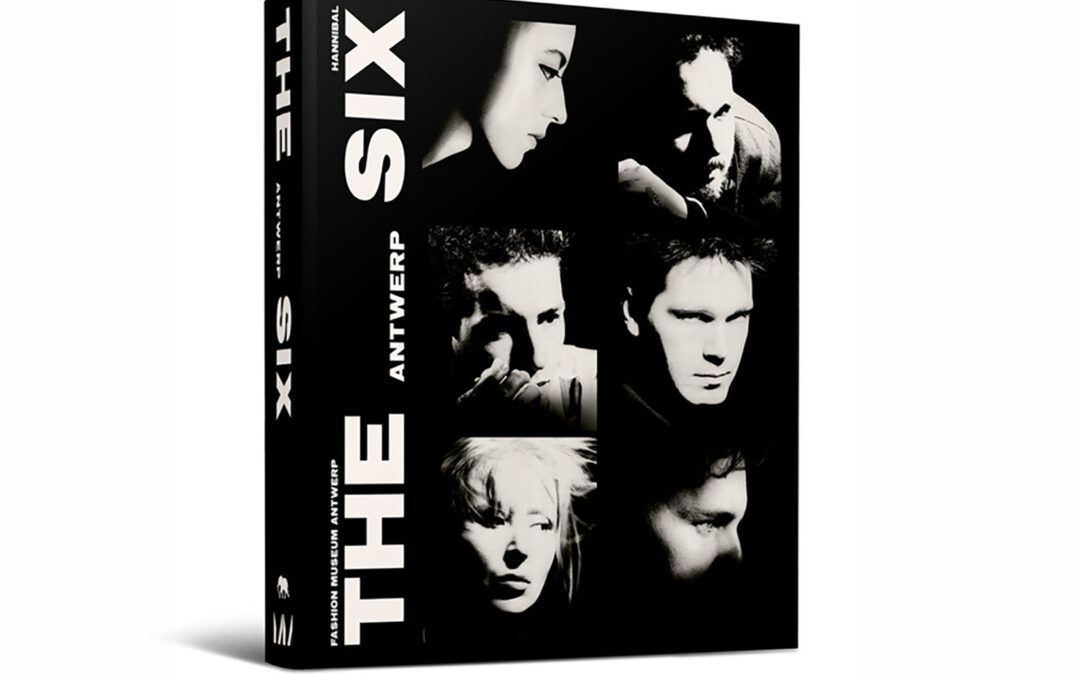
MoMu’s The Antwerp Six does not stage a nostalgic return. It dismantles a myth. What emerges is not a collective, but six distinct trajectories — bound not by style, but by a shared refusal. Moving through the exhibition feels less like revisiting fashion history than encountering a language still unfolding, where form, memory, and discipline continue to resist simplification.
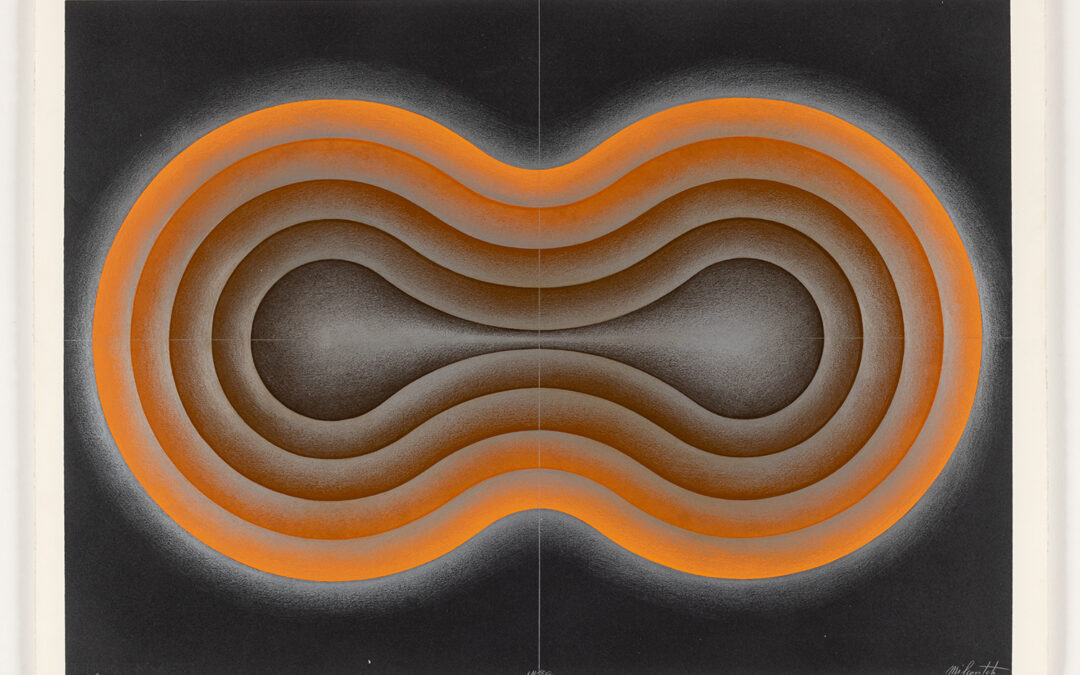
The 2026 exhibition at the Musée des Beaux-Arts de Nancy presents works by Maria Mesterou and Mircea Milcovitch from the donation of François Paul-Cavallier. Rooted in the context of kinetic and optical art of the 1960s and 1970s, the exhibition brings together a significant body of serigraphies where color and geometry articulate a visual language of signs. Beyond its historical framework, the exhibition reveals the early structure of a singular artistic trajectory. Through this donation, François Paul-Cavallier highlights not only a moment in art history, but the foundation of a deeper inquiry into perception, spirituality, and the transmission of meaning through form.
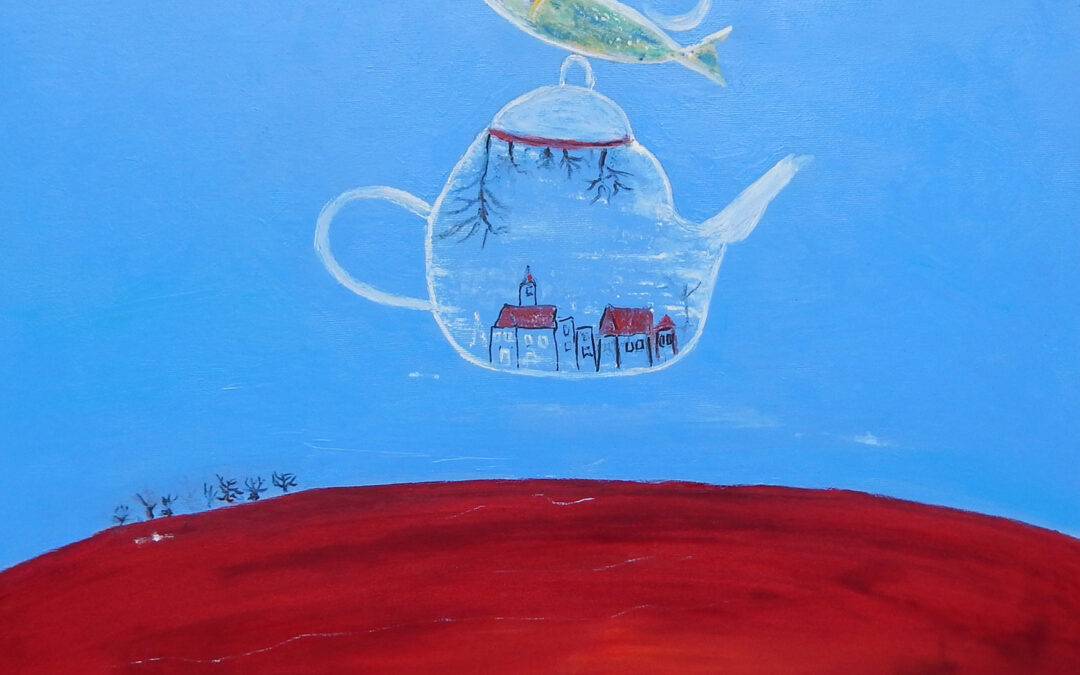
In Marlene Schanz’s work, the dream is not an escape from reality, but a way of approaching it, through the quiet language of simple forms and familiar objects.
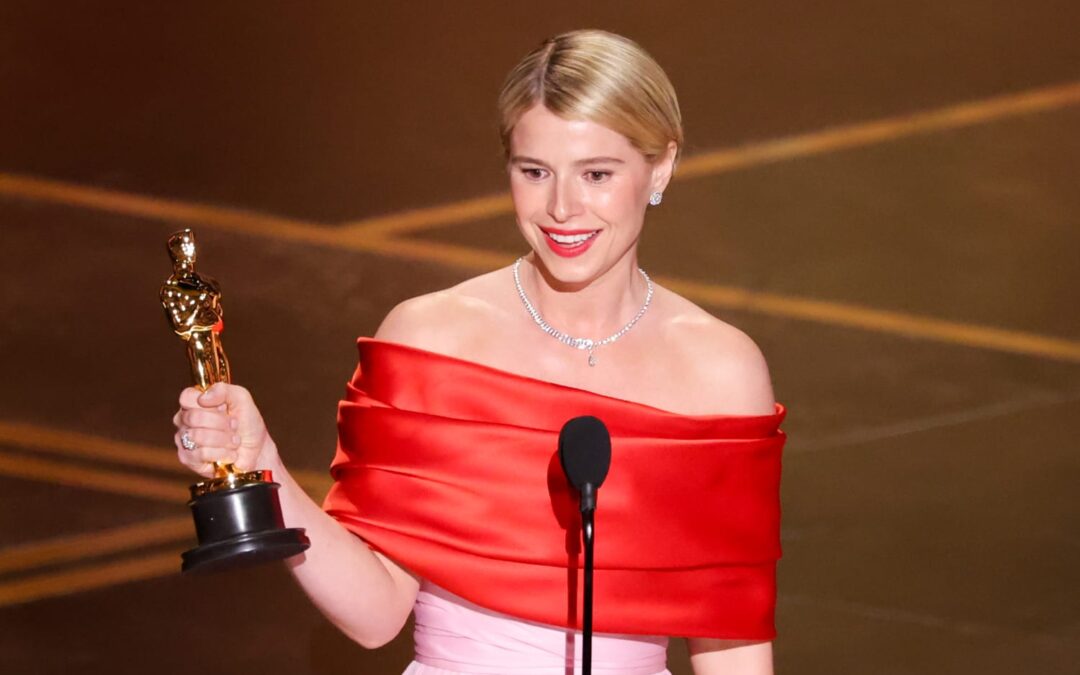
On Hollywood’s most watched night, Chanel’s codes moved through the room, pearls, feathers, camellias and diamonds, worn by the actors who now shape the Academy’s new guard.